counterfeit
Latest
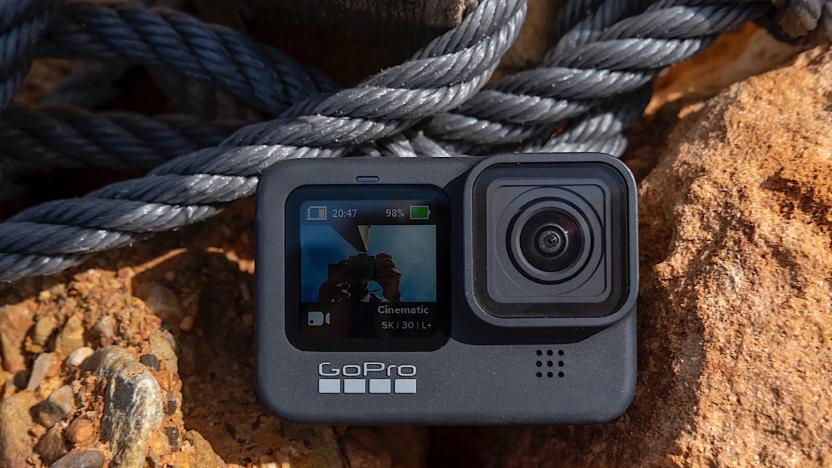
Amazon and GoPro file joint lawsuit against Chinese counterfeiters
Amazon and GoPro have filed a joint lawsuit against a group of Chinese nationals and businesses they allege sold counterfeit GroPro products on Amazon.
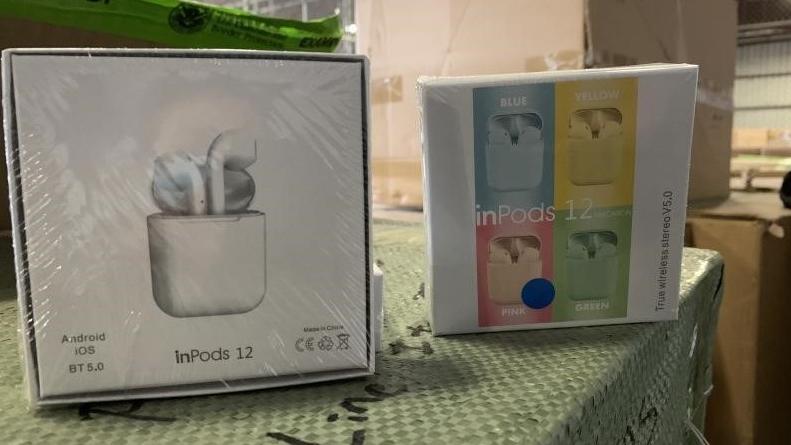
US Customs seized $62.6 million worth of fake AirPods and headphones since October
The popularity of Apple's AirPods seems to have caused a boom in counterfeit audio gear.
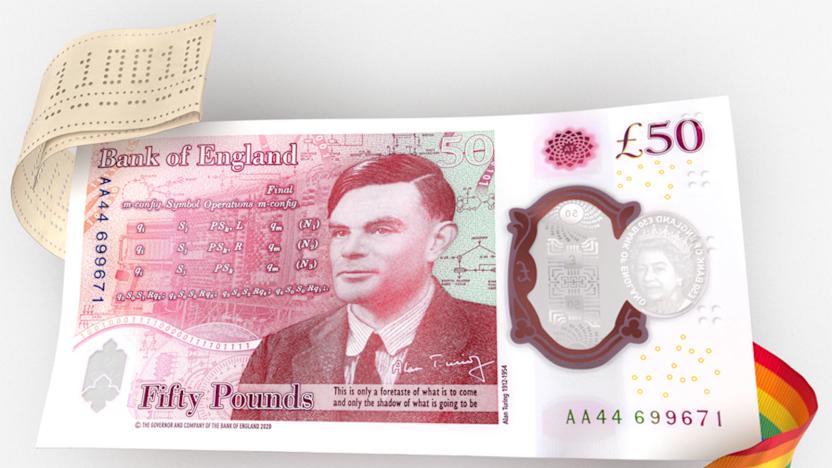
The UK's Alan Turing £50 bank note is a love letter to coding
The UK has unveiled its £50 Alan Turing bank note, and it's appropriately both very secure and a nod to the computer scientist's achievements.
Amazon and the US government team up to thwart online counterfeits
Amazon and the US government's IPR Center have launched Operation Fulfilled Action in a bid to stop counterfeits from going on sale.

US Border Patrol seized OnePlus Buds as 'counterfeit Apple AirPods'
In what looks like an embarrassing error, US Customs and Border Protection (CBP) has seized a shipment of OnePlus Buds, believing they were “2,000 counterfeit Apple AirPods.
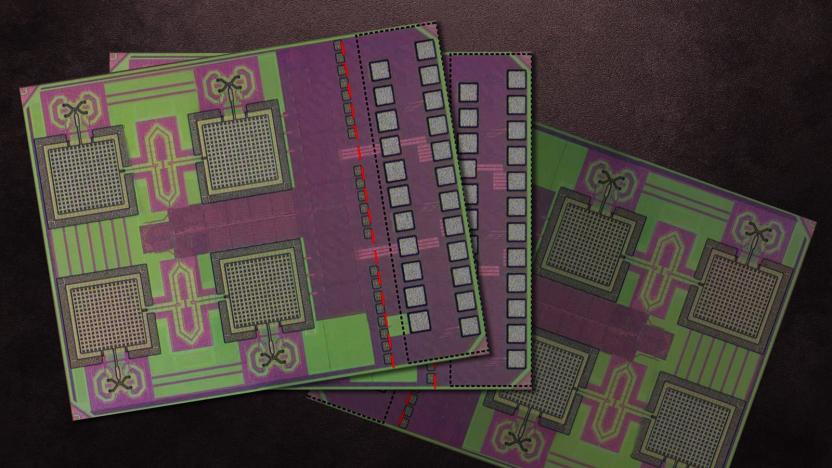
Minuscule ID chips could help spot even the smallest counterfeits
There are times when something is simply too small to tag it with existing technology, and that can be a serious problem when you're trying to fight counterfeits. MIT researchers might have a way to tag even the tiniest devices, though. They've created a very small (0.002 square inches) ID chip that's still secure enough to protect sensitive data. The team managed the feat through a monolithic chip powered solely by light, with antennas that use beam steering and RFID-style (but terahertz-level) backscatter to wirelessly send info to a nearby reader without requiring energy. These keep the design small while reserving enough electricity for encryption.

Amazon may get law enforcement involved in more counterfeit cases
Amazon has been waging a war against counterfeits for years. The company has tried everything from charging high fees in order to sell big names to letting brands issue takedowns. Now, Amazon is planning to give more data on counterfeits to law enforcement, in hopes that will lead to more crackdowns, a source familiar with the program told Reuters.

Nike will no longer sell its shoes and apparel on Amazon
Nike will stop selling its sneakers and clothing on Amazon, ending a pilot program that started in 2017, the company said. The move comes as part of Nike's overhaul of its marketing and retail strategy and the hiring of former eBay executive John Donahoe as its next CEO. "As part of Nike's focus on elevating consumer experiences through more direct, personal relationships, we have made the decision to complete our current pilot with Amazon Retail," Nike said in a statement to Bloomberg.
EU opens Amazon probe to see if it used merchant data to gain an advantage
On the same day that Amazon announced plans to overhaul its business terms for its third-party sellers, the European Commission (EC) has opened a formal antitrust investigation into the retailer, designed to assess whether its use of sensitive merchant data is in breach of EU competition rules.
Amazon tries bringing in lawyers for sellers claiming patent infringement
Amazon has been battling counterfeit products and knock-off goods for years. It's tried charging merchants large fees, creating a registry of approved vendors and launching a self-service tool for removing knockoffs. Now, according to The Information, the company is testing a program to help fight utility patent infringements. It's meant to be a cheaper, faster alternative to traditional patent lawsuits, which can cost hundreds of thousands of dollars and take years to settle.
Amazon will let brands issue takedown strikes on fake listings
From sky-high fees for merchants selling big brands to a product registry, Amazon has used all the tools at its disposal in its ongoing war on counterfeits. But the fakes keep coming. Now Amazon is putting more power in the hands of brands as part of a new anti-counterfeiting program dubbed "Project Zero."

FBI and Google dismantle multi-million dollar ad fraud scheme
A massive ad-fraud operation that hijacked nearly two million devices and involved 5,000 counterfeit websites has been dismantled by the FBI, Google and bot-detection firm White Ops. The eight men involved in the scheme are facing charges -- three have been arrested and five remain at large.
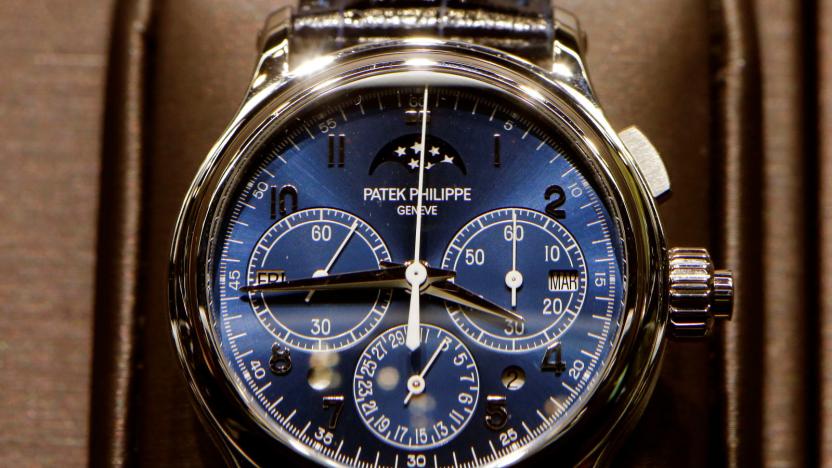
eBay now verifies the authenticity of luxury watch sales
eBay's Authenticate program now covers more than high-style handbags. The online shopping giant now verifies the authenticity of luxury watch sales from more than 30 luxury brands, including Audemars Piguet, Breitling, Patek Philippe and Rolex. Sellers who pass muster will receive an "authenticity verified" badge that makes clear the watches they sell are the real deal. That's rather important when watches like Audemars' Royal Oak or Patek's Nautilus can easily cost tens of thousands of dollars.
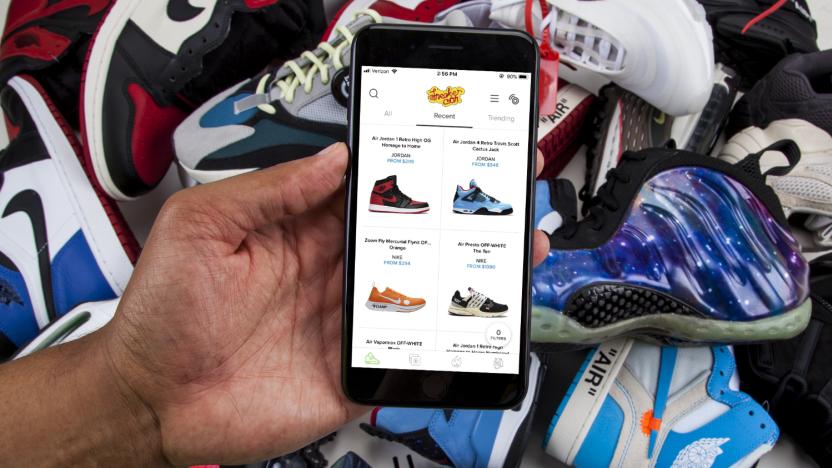
Sneaker Con bets NFC will keep fakes off its new shoe-selling app
Buying limited-edition sneakers, like Kanye West's Yeezys, isn't easy. Whether they drop on a site, in an app or a brick-and-mortar store, they often sell out in minutes, sometimes seconds. This sense of scarcity is what's behind the growth of secondhand online sellers such as StockX and GOAT, where you can find basically any hyped shoe that's ever been released by Adidas or Nike... for a premium, of course. What makes these sites popular is that they guarantee authenticity. With StockX, for instance, any pair you get from it comes with a QR code verification tag, but that's only for internal use. GOAT, meanwhile, sends you a letter saying the shoes have been authenticated. But these are decidedly low-tech and not particularly transparent solutions. Sneaker Con, a company that hosts conventions for sneakerheads all over the world, is hoping to add a 21st-century twist to the authentication game.

The Decode app spots fakes with NFC
The global trade of counterfeit goods reportedly rakes in half a trillion dollars per year, which isn't good for anyone. (Except for the counterfeiters themselves, I suppose.) As the fakes industry continues to grow, brands are looking to technologies like RFID (radio-frequency identification) and NFC (near-field communication) to help authenticate their products. This is where Blue Bite, a startup based out of New York City, hopes to come in. It has developed a system that relies on an iOS app, called Decode, that can tell consumers if an item is real by simply tapping their phone on it.
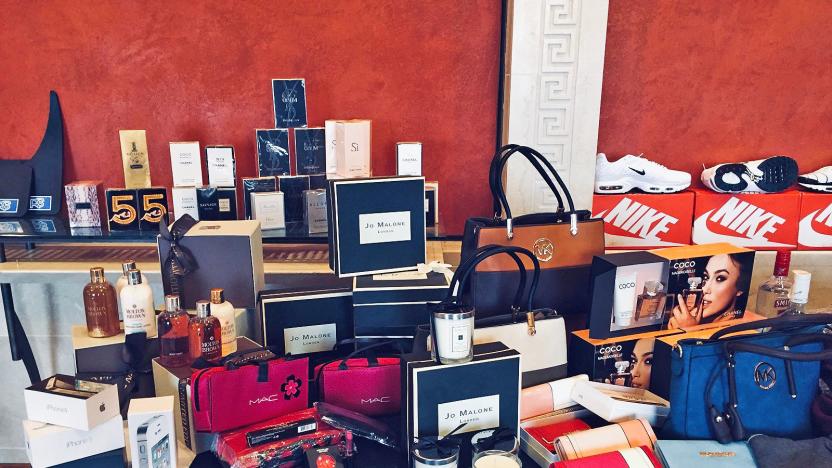
Amazon needs to get a handle on its counterfeit problem
Chances are you wouldn't suspect that whatever you're buying from Amazon, whether it be clothing, sunglasses or a handbag, is fake. And, for the most part, that tends to true. But that doesn't mean you should trust that every product is legit. In fact, right now if you search for "Yeezys," a highly coveted pair of Adidas shoes, you'll get more than a thousand results that are clearly fake. Two dead giveaways are design flaws and an unlikely low price -- trust me, Adidas doesn't sell them for $20. The worst part is that some of them bear the seemingly trustworthy Fulfilled by Amazon (FBA) label. But all that really means is that the company is acting as the middleman between you and the actual seller.

IBM built a handheld counterfeit goods detector
Just a month after IBM announced it's leveraging the blockchain to guarantee the provenance of diamonds, the company has revealed new AI-based technology that aims to tackle the issue of counterfeiting -- a problem that costs $1.2 trillion globally. IBM Crypto Anchor Verifier brings together AI and optical imaging to help prove the identity and authenticity of frequently forged goods such as fine wine, diamonds and medicine, as well as analyze water quality and detect bacteria, such as E.coli. And the technology is small enough to use with a cell phone camera.
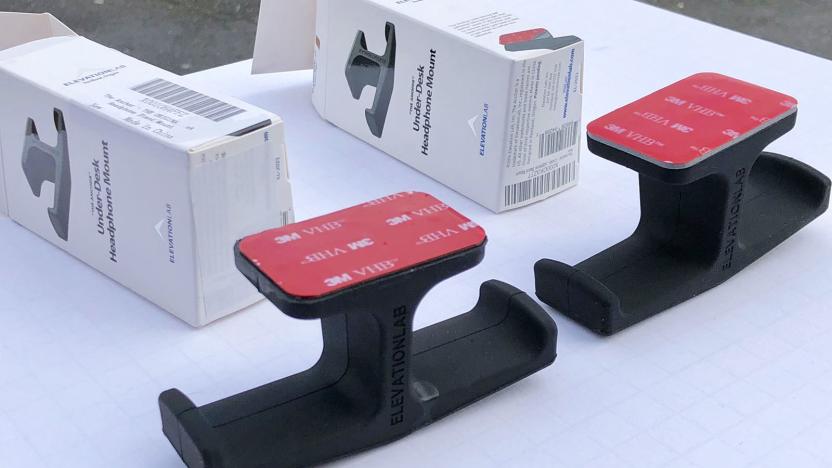
Amazon faces criticism for being 'complicit' with counterfeiters
Amazon pledged to tackle counterfeiting in 2017, but its lax policies are still hurting inventors and small companies, one supplier says. In a blog post, Elevation Lab founder Casey Hopkins wrote that a Chinese manufacturer ripped off its popular under-desk headphone stand, "The Anchor" and is selling it cheap on Amazon and taking all its sales. Worse, he claims that Amazon is effectively abetting such counterfeiters and could do away with it via a simple change.
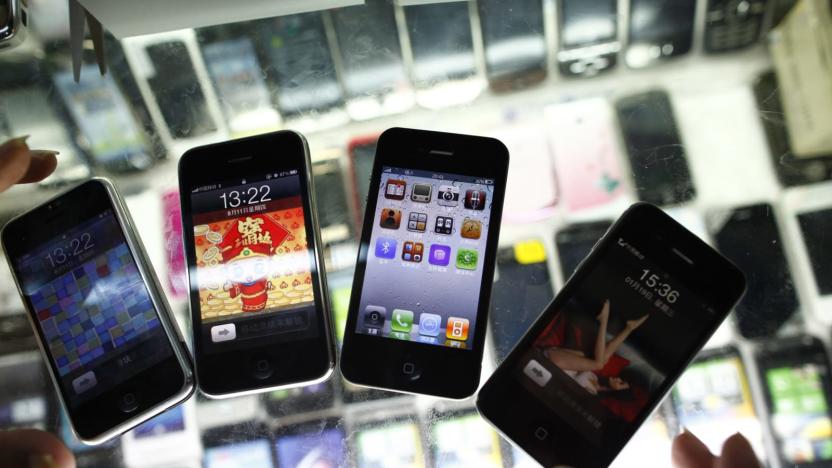
Chinese man pleads guilty to selling counterfeit Apple gear in US
Fake Apple devices have been making the rounds for years, but it's rare that they have much sway in the US -- although it looks like one team of bootleggers had a surprising amount of success. Jianhua Li, a Chinese man living in the US on a student visa, has pleaded guilty to charges he trafficked in more than 40,000 counterfeit electronic devices from China between 2009 and 2014, including iPads and iPhones. All told, he received a whopping $1.1 million in payments -- no mean feat for several years of contraband. He wasn't alone in the plot, either, and the scheme was relatively elaborate.
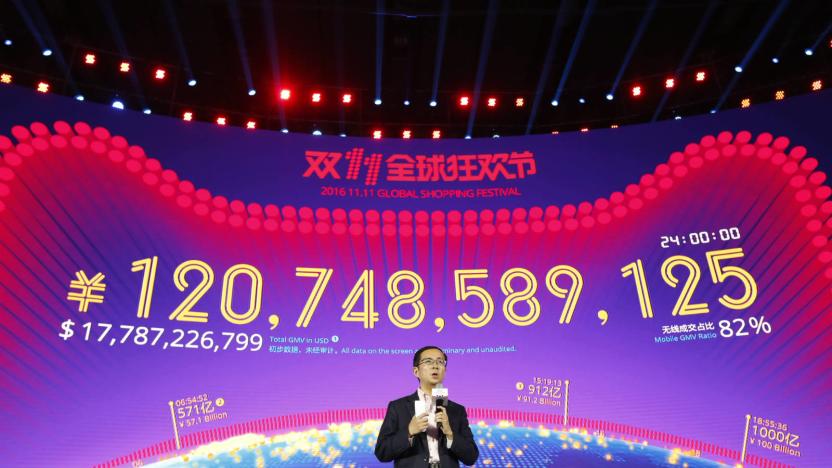
US continues to blacklist China’s eBay over counterfeit goods
Chinese e-commerce behemoth Alibaba's counterfeit goods problem refuses to go away. Despite noting improvements on takedown efforts, the Office of the US Trade Representative has again blacklisted Alibaba's eBay-like Taobao shopping site.


