dhs
Latest

The Department of Homeland Security says it developed a portable gunshot detection system
The Department of Homeland Security says it worked with Shooter Detection Systems to develop a portable gunshot detection system that could be deployed at pop-up outdoor events. It says the system combines audio and gunshot flash detection for a lower false positive rate.
Homeland Security offers $5,000 bug bounties as part of new 'Hack DHS' program
The US Department of Homeland Security (DHS) is offering up to $5,000 bug bounties under a new program called Hack DHS.

Homeland Security may use companies to find extremism on social media
Homeland Security is considering using private companies to help it find extremist threats on social media.

Senate appoints former NSA official as head of US cybersecurity agency
A former NSA official will lead CISA at a time when ransomware and other kinds of cyberattacks are on the rise.

The FBI says Russian ransomware group is behind meat supplier cyberattack
Operations are returning to full capacity at meat supplier JBS following a cyberattack that the FBI has attributed to the Russian group REvil.
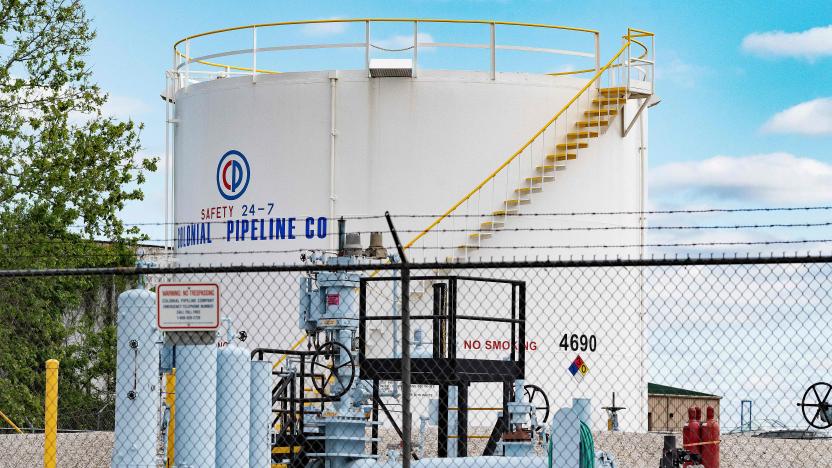
DHS confirms new cybersecurity rules for pipeline companies
The measures follow a ransomware attack that halted Colonial Pipeline deliveries for several days.
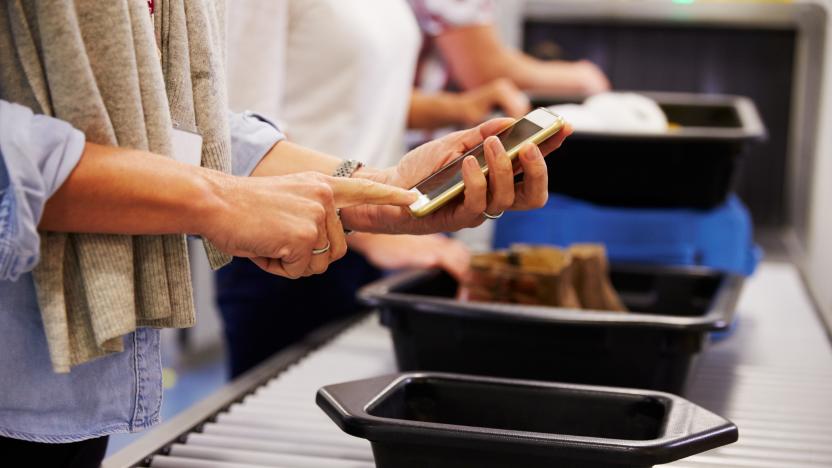
Supreme Court asked to review case against border device searches
The ACLU and EFF have asked the Supreme Court to hear a challenge against warrantless phone and laptop searches at borders, including airports.
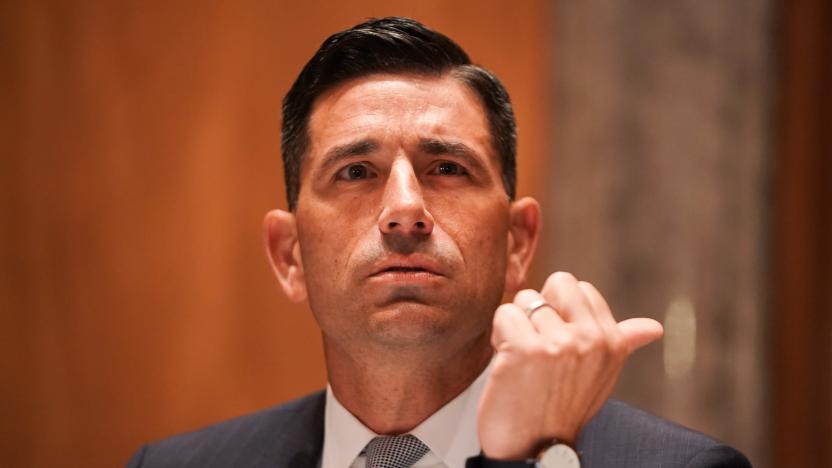
SolarWinds hack reportedly accessed emails for key DHS officials
SolarWinds hackers reportedly compromised the email of Homeland Security officials, including acting Secretary Chad Wolf.
Department of Homeland Security tells US businesses to avoid Chinese tech
The DHS has issued an advisory saying that US businesses should steer clear of using Chinese-based companies both for data centers and equipment.
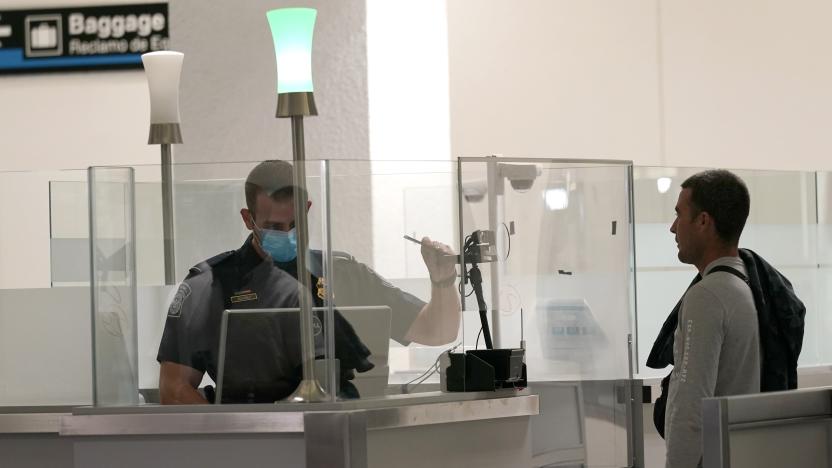
Civil rights groups demand CBP stops facial recognition expansion at airports
The ACLU, Electronic Frontier Foundation and others objected to a proposed rule change.
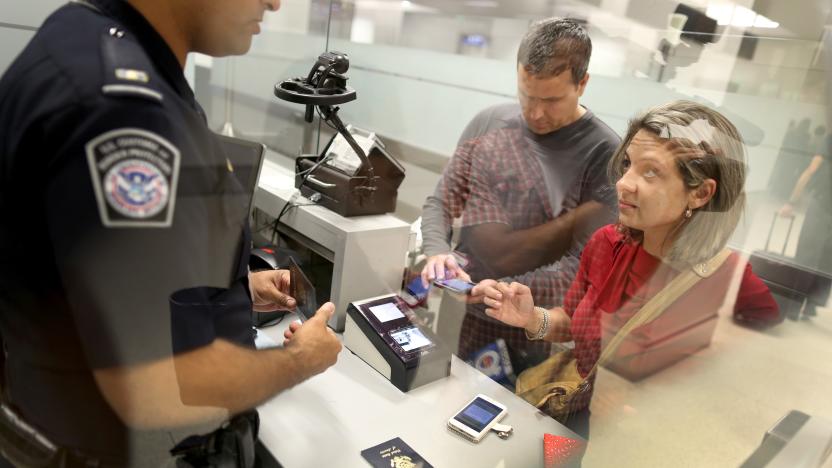
Homeland Security is investigating CBP's warrantless phone tracking
The Department of Homeland Security (DHS) is launching an inspector general investigation into the US Customs and Border Protection (CBP)’s warrantless use of commercially-available phone location data to track individuals.
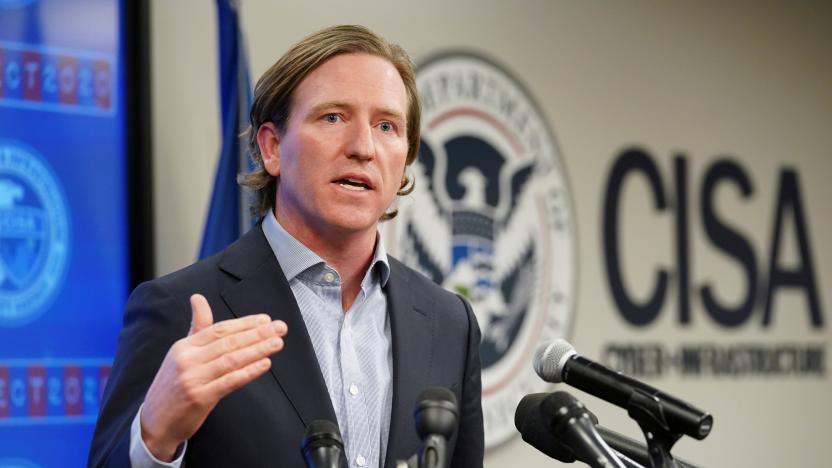
Federal cybersecurity agency calls election 'most secure in American history'
Despite claims made without any evidence about the validity of the November election, a collection of election officials signed on to a statement distributed by the Cybersecurity and Infrastructure Security Agency (CISA).
FBI, Homeland Security detail how Iranian hackers stole US voter data
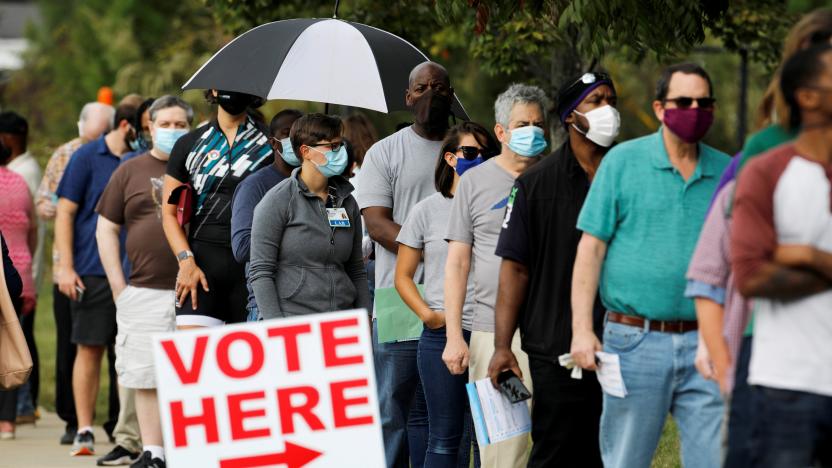
The FBI and Homeland Security's CISA have detailed how Iranian hackers stole US voter info, including by exploiting badly configured websites.
Feds blame Russia, Iran for election misinformation and threatening emails
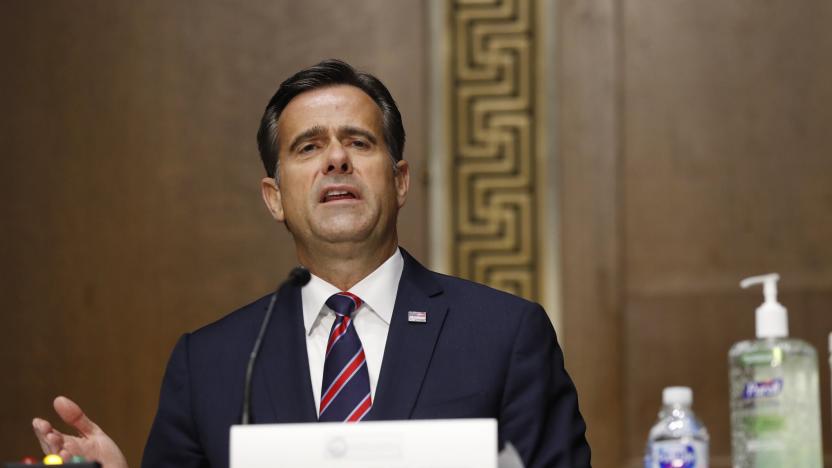
At a press conference on Wednesday evening, Director of National Intelligence John Ratcliffe told reporters that two foreign actors, Iran and Russia, have been identified as taking actions to interfere in the US elections. Ratcliffe claimed the two have obtained voter data (which the Florida Secretary of State notes is publicly available), and specifically blamed Iran for emails sent to Florida Democrats that claimed to be from “Proud Boys” and contained threats goading them to vote for Donald Trump.
Homeland Security details social media collection from immigrants
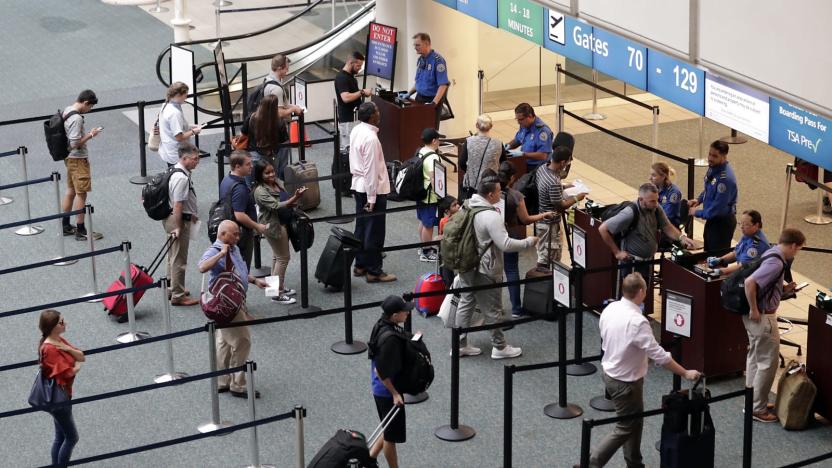
The Department of Homeland Security has explained how it will demand social media info from asylum from newcomers to the US beyond visa applicants. A notice in the Federal Register makes clear that officials will ask for social network data in seven forms that asylum seekers, immigrants, refugees and "inadmissable aliens" must fill to be allowed into the country, whether temporarily or permanently. They'll have to provide five years' worth of usernames if they've used any of the same 19 sites that fall under the visa checks, including Facebook, Instagram, Twitter and Chinese sites like Douban and Weibo.

US government warns China may have access to drone data
Today, the Department of Homeland Security issued an alert warning that Chinese-made drones may be sending flight information back to their manufacturers, who could share it with third parties. According to CNN, the alert warns companies and organizations that the US government has "strong concerns about any technology product that takes American data into the territory of an authoritarian state that permits its intelligence services to have unfettered access to that data."
FBI, DHS task forces to address election security are now permanent
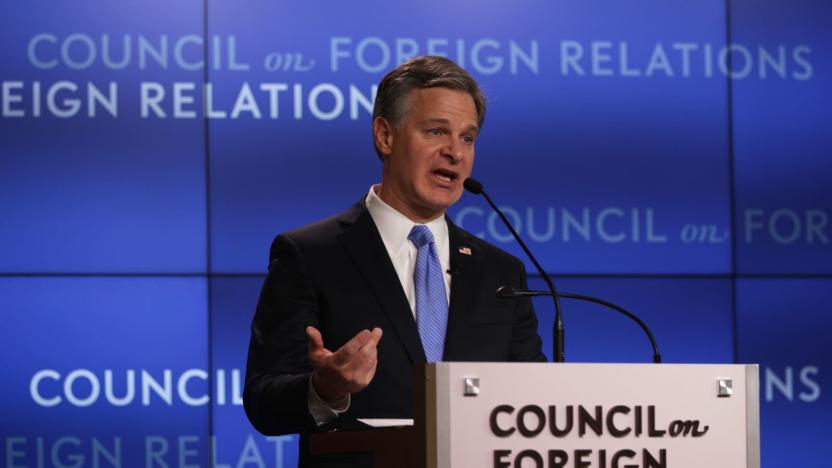
In response to questions after a speech Friday in front of the Council on Foreign Relations, FBI director Christopher Wray called Russian efforts using social media to influence elections in the US "pretty much a 365-days-a-year" threat. According to the New York Times, an unnamed senior official said that a Foreign Influence Task Force at the agency that had been formed temporarily ahead of the midterm elections in response to the threat is now permanent, and that nearly 40 agents and analysts had been moved into it. It also reported the midterm election task force at the Department of Homeland Security is now permanent, and the same goes for a joint task force formed by the National Security Agency and US Cyber Command. One of the possibilities they described preparing for is that an influence campaign could try to raise questions about irregularities or possible fraud in results -- items the president has already claimed are problems but blaming very different sources. While those operations were apparently at "full speed" in the 2018 cycle, Wray called that a "dress rehearsal" for 2020.

DOJ report finds foreign meddling had no impact on midterm elections
If attempts at election meddling had any tangible effect on the US midterms, you won't hear about it from some officials. The Departments of Justice and Homeland Security have submitted a joint report to President Trump saying there was no evidence a foreign government or agency had a "material impact" on the infrastructures of the 2018 vote, including campaigns and political bodies. The actual conclusions are classified, but they're consistent with what the government said after the elections, the Justice Department said.
Shutdown means government won't engage with the tech industry at CES
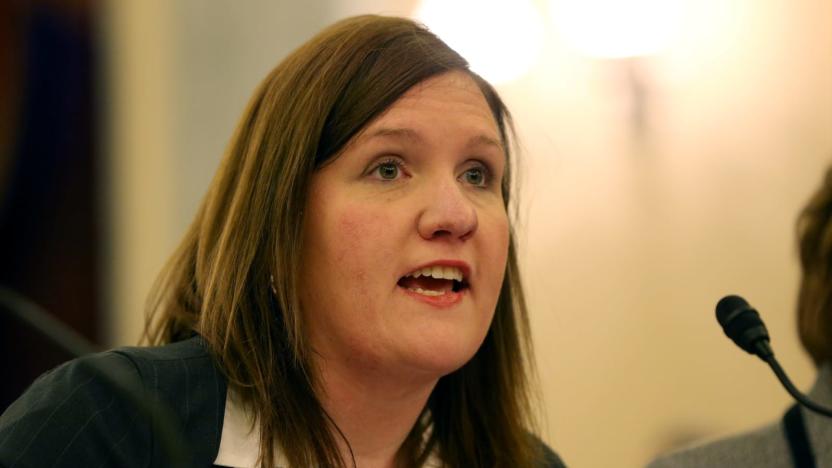
It's not just FCC Chairman Ajit Pai who'll back out of CES as a result of the US government shutdown. The Consumer Technology Association has confirmed that at least ten government officials have cancelled their speaking engagements at the technology trade show "so far." It's not just FCC representatives like Pai or his compatriot Brendan Carr, either. The FTC's Rohit Chopra and Rebecca Slaughter (shown above) have backed out, as have officials from the EPA (Brandon Bray and Barnes Johnson), FDA (Bakul Patel), FEMA (Daniel Kaniewski) and Homeland Security (Andre Hentz).
Face scanning in US airports is rife with technical problems
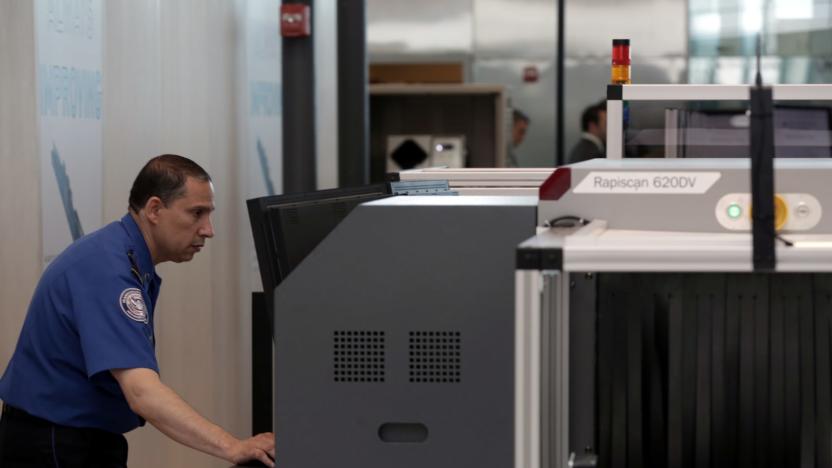
If you've had misgivings about the effectiveness of Homeland Security's airport face scanning (let alone the privacy implications), you're not alone. The department's Inspector General has issued a report warning that the scanning system is struggling with "technical and operational challenges." Customs and Border Protection could only use the technology with 85 percent of passengers due to staff shortages, network problems and hastened boarding times during flight delays. The system did catch 1,300 people overstaying their allowed time in the US, but it might have caught more -- and there were problems "consistently" matching people from specific age groups and countries.


