1
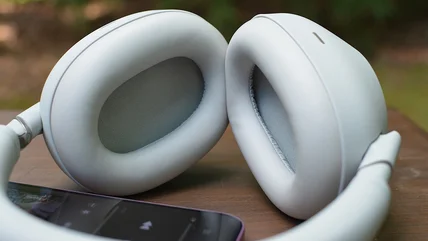
Want the best bass out of your headphones? Here's what to look for
Before you go spend money on new headphones, try these adjustments. You can probably improve the sound on the ones you have.
Read More

Before you go spend money on new headphones, try these adjustments. You can probably improve the sound on the ones you have.
Read MoreAirTags are great, but there are competing trackers that offer handy features and unique form factors.
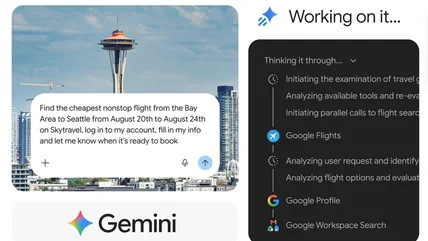
Read MoreGoogle's AI assistant can "use your logged-in accounts and saved passwords to handle tedious web errands."
Read MoreThe feature is a must-have, but some modern headphones and earbuds still don't offer it.
Read MoreThere are several steps you can take to prevent your phone from getting dangerously hot.
Read MoreThe European Union has announced that new AI rules are now enforceable across the bloc.
Read MoreNot only did MacBook Air prices recently go up, but you couldn't get one today even if you wanted to.
Read MoreChromebooks aren't limited to only apps you can get on the Play Store.
Read MoreAs USB-C becomes the standard across most devices, it's time to go through that drawer full of USB adapters and toss those you no longer need.
Read MoreUsing your phone while it's plugged in changes the way it charge. Here are some common myths (and truths) about charging smartphones and tablets.
Read MoreThere are times when a physical connection will perform better than a Wi-Fi hotspot. Here's when you want to use USB tethering, and how.
Read MoreThe Social Media Victims Law Center accused the companies of creating addictive and dangerous platforms.
Read MorexAI filed a lawsuit a few days ago to prevent Minnesota’s law banning ‘nudify’ apps from taking effect.
Read MoreThe automaker is gearing up to make some big changes to its EV line in the near future. Here's what to expect.
Read MoreIf you've got a drawer or box full of old cables, here are some things you can do to thin them out. You don't need that many.
Read MoreA number of major Chinese smartphone makers have adopted silicon carbon batteries in their handsets, and now Samsung has embraced it in the new Fold lineup.
Read MoreThe company appears to have built new laptops and a 2-in-1 for the Googlebook initiative.
Read MoreThe company was accused of violating the Clean Air Act by the NAACP.
Read MoreVideos made with AI will no longer appear in Snapchat's public recommendations.
Read MorePeople had less than a day to make misleading Google Earth images with AI before Google pulled the feature.
Read More"It is a matter not only of customer protection, it’s also a matter of democracy protection."
Read MoreNearly 22 percent of children are on Pinterest while there was "no statistically significant change" in AI chatbot use.
Read MoreIf your Wi-Fi is a bit sluggish, there are some things you should check before upgrading your router.
Read MoreToday is the day the EU's Right to Repair rules come into force that will, eventually, make it much easier to fix your broken gear.
Read MoreElectronic Arts will close its $55 billion deal to go private by August 4 next week.
Read MoreMicrosoft has started rolling out the Xbox app to Hisense TVs and other TVs powered by VIDAA OS.
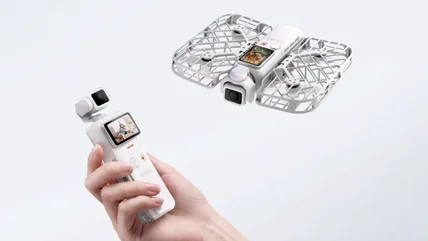
Read MoreHoverAir has unveiled Versa, an interesting product that marries a gimbal camera and drone.
Read More