

The Legend of Korra review: Bend it like Bayonetta
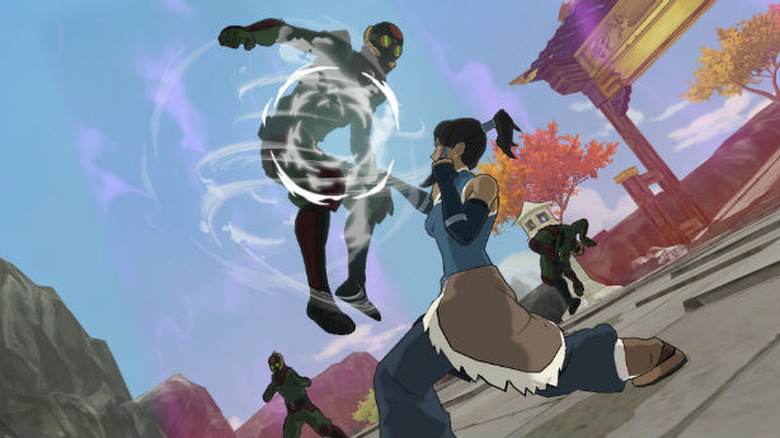
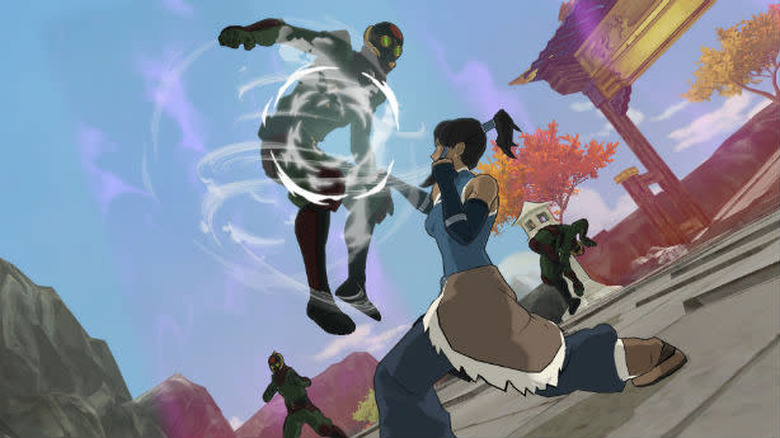
Bending the elements like folks do in The Legend of Korra is an intoxicating dream. Much as they did in the original Avatar: The Last Airbender cartoon, many people born in Korra's world can freely manipulate the four elements through martial arts. The Avatar, born into every generation to maintain the spiritual balance of the world Dalai Lama style, is the only one who can bend all four. Fire from your fingers, literally riding the wind, lifting up the earth to make an easy chair, and never needing a squirt gun; the promise of feeling unity with the physical world, even if you're just playing around, is mesmerizing. Who wouldn't want to do that?
That Platinum Games captures even a little of that feeling in its video game adaptation of The Legend of Korra is impressive, but physical fantasy is only one piece of the show's winning formula. Platinum's made a fun, flighty, sometimes infuriatingly pedantic game that's admirably old fashioned but disappointingly limited. The Legend of Korra is a strong body missing most of its heart.
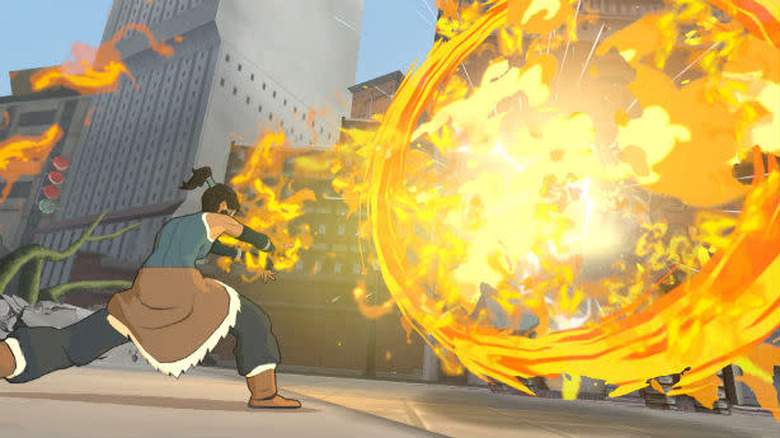
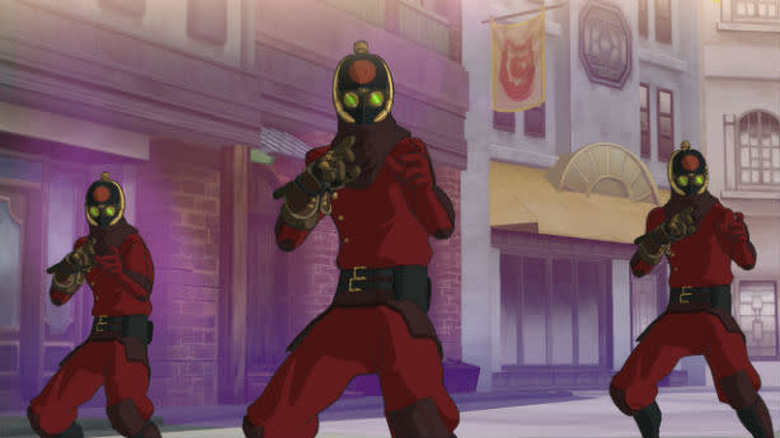
Korra can switch between the four elements by quickly tapping the shoulder buttons, with light and heavy strikes producing different moves with each one. Busting up a Chi Blocker with quick fire bending punches, switching to heavy earth strikes for a huge tank, doing crowd control with air bursts and then firing off water missiles for distant foes takes practice but becomes a seamless process.
Combat in Korra is a measure slower than in Platinum's other action games, which suits the defensive, balletic fighting of the show itself. That's why it's essential to never forget the dodge on the right trigger and the blocking left trigger, which crucially counter moves if pressed right before an enemy strikes you. Korra can go down very quickly, almost unfairly quickly when facing one of the few bosses across the game's eight chapters, so rigid recognition of attack patterns and counter timing is the only route to success. The counterpoint between the meditative spirit behind bending and the game's inflexible difficulty is jarring at first, but it's a matter of perspective. Calmly observing enemies and reacting in precise ways yields victory, while chaotic button mashing and dodging will kill you in seconds.
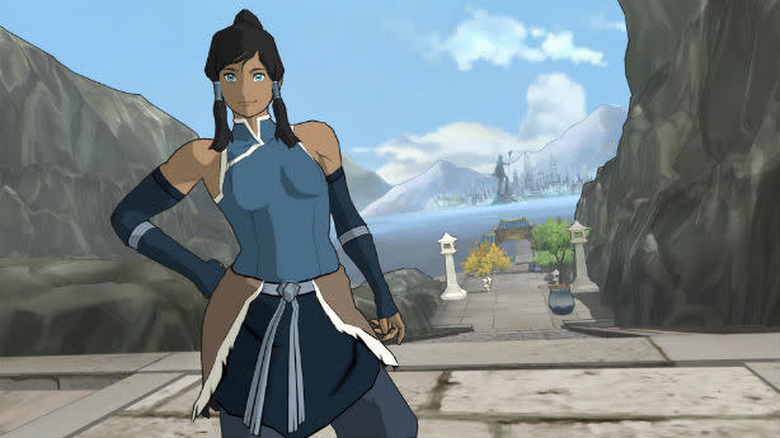
Korra's struggles in the show are profoundly moving because of the people that surround her, yet she spends this entire game almost entirely alone. Her friends Mako and Bolin make brief appearances at the beginning and ending, while her surrogate little sister Jinora acts as a spirit guide helping Korra unlock her elemental skills at certain points, but the deep cast of remarkably complex characters that makes the show so rich is totally absent. When Korra finally confronts and conquers the sinister old man at the heart of the game's story, her accomplishments feel hollow inside her greater story. She doesn't share these moments with anyone, and neither does the player. Character is in part what draws people to tie-ins like this, and not getting to spend time with these people feels like a loss.
They're ultimately not deal breakers, though. For all of those niggling issues, fighting as Korra is still exciting and satisfying, even when her air abilities become almost game-breakingly powerful in the final stages. In fact, the small problems, metallic difficulty, and ridiculous asides like the dog running sequences that make no narrative sense give Korra a feel comparable to great, imperfect tie-ins of the past like Sunsoft's Batman. Platinum Games may not have made a Legend of Korra game that plumbs the same well of soul that the source material does, but they've made something elementally entertaining all the same.
This review is based on the PlayStation 4 version of The Legend of Korra, provided by Activision.
Joystiq's review scores are based on a scale of whether the game in question is worth your time — a five-star being a definitive "yes," and a one-star being a definitive "no." Read here for more information on our ratings guidelines.