

Modernizing "The Talk" to Include Cyber Safety
It's a milestone in every teenager's life: THE TALK. The painfully awkward, eye-roll filled dialogue (or sometimes just monologue) about making smart, safe and responsible decisions. It's both a dreaded and enduring rite of passage – and it's not just about the birds and the bees anymore.
With the massive influx of connected devices, including smartphones, tablets and even MP3 players, we all need to take additional steps to secure ourselves and think of how we can help protect those most vulnerable to predators – kids.
October is National Cybersecurity Awareness Month, the perfect opportunity to ensure everyone's up to date on the best safe-net practices. Sure, the conversation may still be awkward but what's worse: having your kids make a face at you for asking how they use Snapchat or never seeing their face again because an online predator lured them away? Here are some tips for talking to youth about cyber safety.
Shake the "Not Me" Mentality
Years ago, as an average, well-adjusted teenager navigating the beginning stages of chat rooms, Alicia Kozakiewicz – founder of The Alicia Project – was groomed by an online predator and kidnapped, enduring unspeakable horrors before she was rescued by the FBI. She has dedicated her life to charity work and sharing her stories, focusing always on driving home the point, "If this happened to me, it could happen to you."
It could be your kids. Or, if you don't have kids, it could be another child in your life: a cousin, nephew,niece, student, neighbor, etc. There's no specific sort of child who falls victim to the predators lurking out in cyberspace – except for the children who aren't informed.
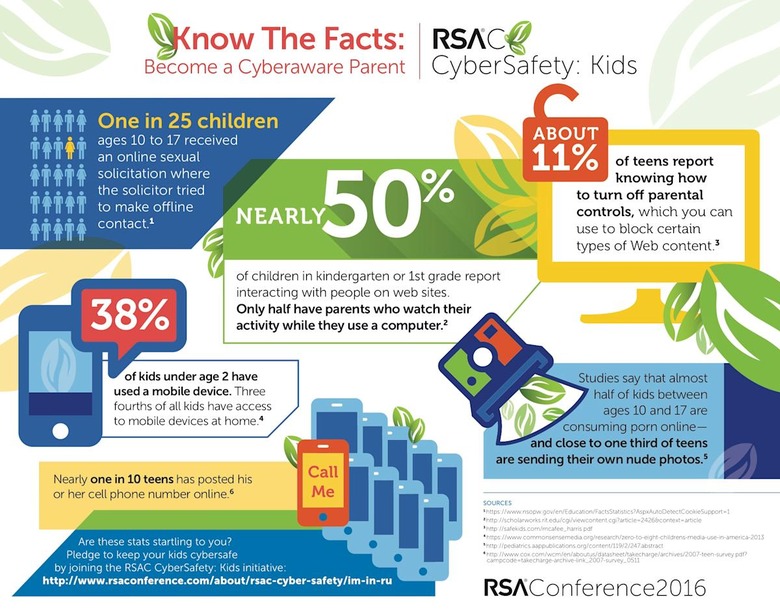
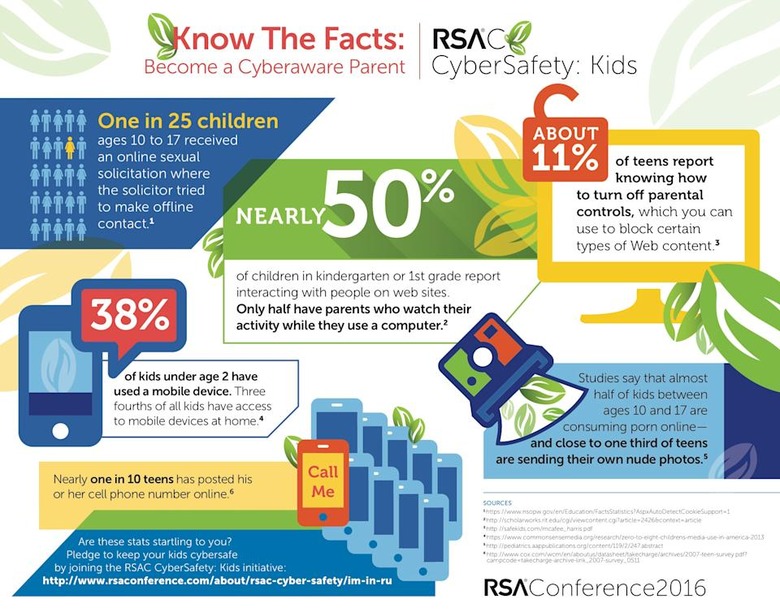
You can't be there to monitor what they do every step of the way. Sharon Cooper, MD FAAP, says that 4 out of 5 teens bring their phones near or even into bed with them every night, which can add up to a lot of unsupervised Internet time. As such, adults should be introducing cyber safety concepts before kids start using connected devices – which could be a lot earlier than you think.
Be Both an Adult and a Student
While it may seem like the easiest option is to just outlaw the Internet all together, that won't solve anything—like it or not, social media has become an integral part of adolescence and young adulthood. But there are steps you can take to reduce the risk.
For one thing, start early. Cooper has stated that 21 percent of kindergarten through second graders have access to smart phones, which means they have access to the Internet. She suggests trying to impart these safety tools while kids are young: "Talk about what's okay and what's not okay, which would include cyber citizenship and responsible bystander behavior."
But what if the kids are older?
"I simply ask, 'How does this work?'" recommends Lance Spitzner, Research & Community Director of SANS, of his approach with his own kids. He asks them to explain their apps – Instagram, Snapchat, etc. – and show him how it all works. He then asks them to set up an account for him and asks if he can follow them. Spitzner engages with his kids in a genuine, honest way, which allows for there to be an open dialogue.
Regardless of age, these conversations are the most important part of keeping children safe on the Internet, just as "The Talk" has historically helped kids stay safe...in other ways. When asked what the one thing parents can do to keep kids safe online is, Michael Osborn, Chief of the Violent Crimes Against Children Unit in the FBI, says that, "It's very simplistic, but it's communication."
You're not alone
When it feels overwhelming, take a deep breath and remember that you're the adult. Even if the teens are the tech-savvy ones, you're the one with more life experience and ultimately the ability to make the best, safest decisions. Simply open the lines of communication, be involved and don't be afraid to ask questions.
Remember that you're not in it alone. Don't be afraid to speak up; talk with friends and other parents in the area to ensure you're all communicating about the best cyber safety practices. Keep the kids in your community safe by keeping each other in the loop. Think of yourself as an ambassador, spreading cyber safety tips out into the world – you never know when it could save a child's life.