

Eyes in the Machine: Just How Deep Can a Hacker Reach into Your Life?
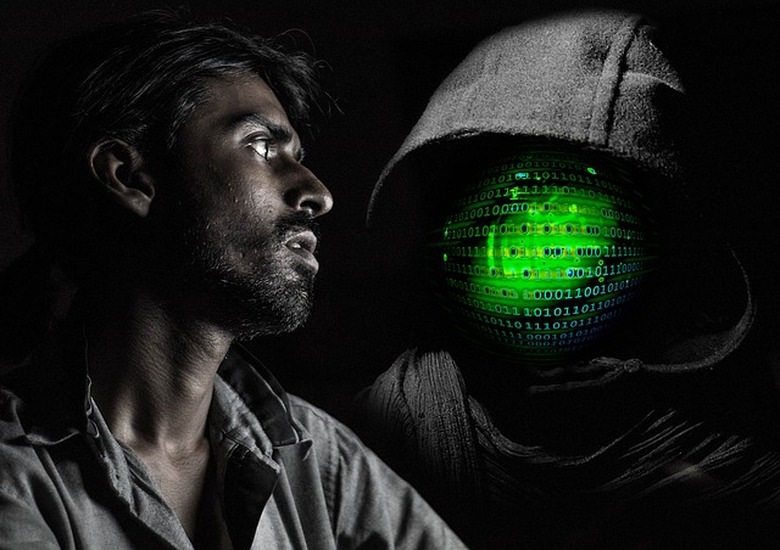
Hackers are everywhere in the news, and cyberattacks are making headlines at least every other week. They are the heroes and villains of our fiction. Their methods seem like magic to those not in the know, and the average person is left to wonder about what the real power of the hacker and the hacker collective could be.
They are people just like us; they merely have skills that work with technology we use every day. They take advantage of the endless parade of bugs and exploits that arise from patches and underdeveloped (or undertested) programs. This allows them to gain access to the data which effectively controls out futures, giving them dangerous power over the vulnerable among us.
Let us explore what the current online environment is today from a security standpoint and whether there is anything that you can do about it:
What Could a Hacker Do? A Test
Occasionally you will see a news report that features a journalist or reporter asking a hacker (usually a "white hat" hacker) to try to infiltrate their lives to the best of their ability. What usually happens is a stunning and potentially creepy display of skill in which the hacker finds out the address, financial information of the victim to the extent that identity theft would be easy, and sometimes even gets copies of online correspondence such as email.
Even more alarmingly, you see some skilled hackers in these tests remotely control webcams attached to laptops and remotely control computers. Not even GPS tracking and remote file deletion are off-limits. While sometimes the pieces are edited to appear sensationalistic, the facts and figures remain true. Dedicated hackers can often get this involved in a person's online life and use it to their advantage.
The above example shows a dedicated effort on a person over a decent period of time (usually a few days or a week). Few hackers will have the time or inclination to launch a campaign against you for your relatively small amount of data, but it is worth noting that it is possible. Many of these steps and infiltrations are used separately against a person to steal data from them.
How Easily Could They Do It?
Given a hacker of sufficient skill with powerful hardware to back them up, quite easily. These are people who try to hack into the Pentagon and Apple. Your living room computer isn't going to put up much of a fight against the full force of a hacker collective such as Anonymous. Even if you have great defenses, they can often just use brute force to try and crack you or otherwise make your life miserable. They'll usually find a smarter way in.
Also, once they find a crack, that's all it takes for the contents of Pandora's box to be let loose. One account leads to information or a direct link used to log into another. Once your email account is compromised, the rest fall like dominos. Getting into your other systems is often a similarly simple task for hackers skilled with networks or devices (and most of them are). They train to be quick, and they train to be unnoticeable unless it's too late or they want to be noticed. The most effective cyberattacks of the last year are the ones you don't know about.
Defenses of the Everyday Person
You are not defenseless, and while you might not have the massive infrastructure that tech firms can utilize nor the know-how of cybersecurity professionals, there is nothing stopping you from keeping the average hacker out of your computer and out of your life. Consider the following tools and habits to improve your lot against cybercriminals:
- You need an online security suite in order to keep off of your computer. If you don't have one already, it is surprising your computer still runs if you've been using it for more than a couple of months. What is less commonly used is mobile security apps that will help protect your smartphones from mobile malware, which is a rapidly growing threat.
- You can and should use a Virtual Private Network (VPN), which is a service that will connect you to an offsite secure server and encrypt your connection regardless of what network you are using. This is an important defense on otherwise unsafe networks so that you can use them with risk of data interception. Without one, you might find your online accounts stolen or private correspondence compromised.
- If you aren't using it, unplug it or deactivate it. A hacker can't take a look through your webcam if your webcam isn't plugged in other than when you're using it. The same goes for online accounts. Deactivate that Twitter account you know you'll never use (it gets deleted after 30 days). Remove information from accounts you can't delete but no longer use.
- Be careful about the websites you visit and the files you download. All of the best tools and defenses in the world won't do you a bit of good if you effectively invite hackers in through your computer's front door. Be similarly careful about scams and phishing schemes online. Some hackers work on the mind instead of your computer.
- Use the best verification measures whenever you can, and use all of them when given the option. Strong passwords are just as necessary as they were 10 years ago. Two-factor authentication is your friend.
Should You Be Scared?
You should be concerned, but you should not be scared. You can't hide from technological progress. If you prepare yourself well you have very little to fear. Malevolent hackers are usually creatures who go after the most valuable targets or the easiest ones, and so long as you protect yourself against the above issues against using some of the above techniques, you have nothing you need to worry about.
Just as there are plenty of opportunities for hackers and threats you need to prepare for, there are plenty of people looking for ways to protect you and provide you with the tools to keep your online experience as normal as possible. The global economy is driven by technological progress and people feeling safe in their use of technology, so there is a built in economic driver for defenses to be as strong as possible. If you are still concerned, you can unplug as much as you feel like and reconnect when you feel more secure.
Do you feel the threat of hackers and other cybercriminals in your everyday life? Do you feel as though you are doing enough to meet threats head on or avoid the dangers of the darker parts of the internet? Do you have any other advice that you would like to share with your fellow readers? Please leave a comment below so this important conversation can be continued further.
Bio: Cassie Phillips is a writer specializing in cybersecurity who works on behalf of Secure Thoughts, a website dedicated to bringing important security information and recommendations to the common person. She hopes that this information serves you well and helps you make more informed decisions in the future.