

Can Wearable Devices Reduce Workplace Accidents?
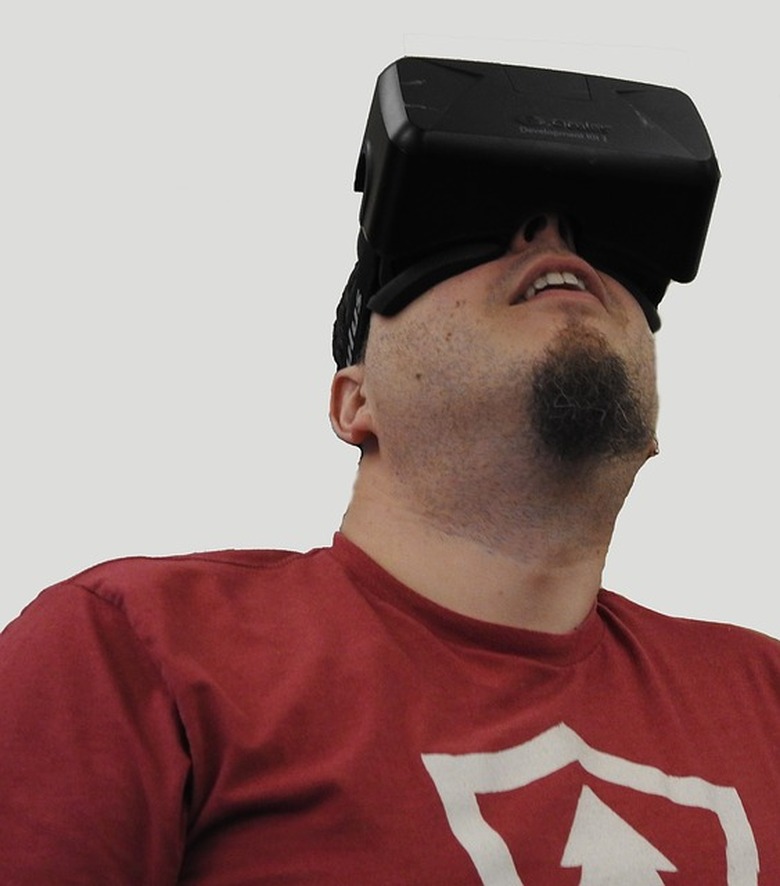
Wearable devices are being introduced into nearly every industry. Employers are discovering that wearable devices can track employee behaviors at work and learn what happens the moments right before a workplace accident takes place. This can help prevent and reduce the number of workplace injuries that take place. Worker's compensation is a large expense for employers, but wearable devices may can change that around.
Efficiency in Operations
Being able to receive data regarding productivity and safety while performing job tasks increases company efficiency. Once an analysis is completed by allowing several employees to test wearable devices, a company can examine how job tasks are completed. Some methods may no longer be practical and may be wasting time.
Employers can take this information and make adjustments to production lines. An example is cutting out unnecessary steps such as manual records keeping as the devices can track items through an entire production line from a simple wearable device. This can show a company the number of items produced per hour, how many passed quality-control inspections, and how many items were rejected. Improving on operations efficiency can help increase production speeds and help keep better inventory records while reviewing worker safety on production lines.
Track Employee Work Practices
An impressive piece of wearable technology is the exoskeleton. This is a device that is made of lightweight metal and technological wiring that moves with the body. This is the ultimate way to track how employees complete their jobs. These suits are flexible and can have dozens of sensors placed throughout them to retrieve data to analyze how an employee works and if the way they do their job is safe.
This is important as many jobs around the world require strenuous, physically demanding and/or repetitive movements. Repetitive movements alone can cause a work-related injury that becomes a chronic condition. The data sent back from an exoskeleton can help employers restructure how their employee's complete tasks for improved safety, increased productivity, and fewer worker's compensation claims.
Real-Time Information
Rather than watching how employees work, wearable devices provide data in real-time. Notifications of decreased productivity or unsafe workplace practices can be sent so that immediate action can take place. This is a preventative measure that is valuable to a company. Real-time information is priceless to a company. It is impossible to follow every employee and watch how they perform their duties at all times. The wearable devices can do the work for the company without employees feeling like they are being watched all of the time.
Some entrepreneurs and corporations are investing into wearable technologies in the workplace. This is an ideal industry for those wishing to improve personal investment portfolios as more startup companies begin to develop additional wearable technologies for the workplace.
Potential for Increased Brand Strength
Wearable technology devices can do more than track how well or how safely an employee performs his or her job duties. Devices can also be constructed to alert employers of unhealthy employees, such as those with increasing job stress that can lead to mental illness. The ability to predict stress-overload and reduce it before it happens can help strengthen a brand's workforce.
This is an issue of safety because workplace stress can lead to inefficient completion of tasks using unsafe methods. When employees experience increased amounts of stress, their thinking is misguided and mistakes are more likely to occur. By simply reducing employee stress, many cases of injury can be prevented or proven to be employee-inflicted rather than company-caused.
Preventative Accident Method Development
The ability to develop measures to reduce and prevent workplace injuries can help reduce the $90-billion annual worker's compensation industry cost. By viewing information sent from the wearable devices, the worker's compensation industry spending has the potential to be cut by half or more. Incidents will always occur in the workplace, but the frequency in which they occur can be drastically cut with the use of wearable technology with real-time data reporting capabilities.
Sensor Placement
Small sensors can be placed on hardhats, work uniforms and can be worn as a necklace/bracelet to track employee movements. Sensors can send information to superiors immediately following an action. Supervisory staff can monitor the practices of the worker to determine if it is a safe or unsafe protocol. A concern regarding this technology is the intertwining of personal data information with workplace data.
Bottom Line
The data received from wearable devices provides employers with the ability to help prevent dangerous situations that can lead to workplace injuries and make changes to company safety protocols. Reduced worker's compensation costs strengthen a workforce and keeps funds available for companies to use on building/equipment improvements and increasing employee wages. Wearable devices are ideal for high-risk jobs as well as regular production and office positions.