

How Workplace Wearables Will Improve Service
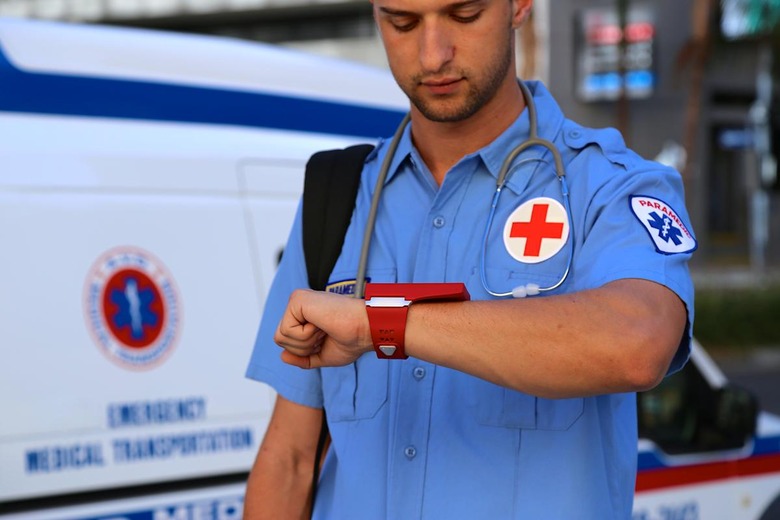
When people think wearables, they instantly think about the FitBit, Pebble and Apple Watch tracking steps and overall health. However, wearables have moved beyond consumer applications to improve upon the way workers deliver service within the professional realm. Many enterprise and industrial sectors will benefit from workers having wearable technology with all sorts of critical information, alerts and communication methods always within reach. While employers might see increased efficiency and safety as the primary advantage to integrating wearable devices, the overall improvement in workflow ultimately benefits the end consumer in the form of better and faster service. Below are a few use cases that demonstrate how the wearable revolution can provide customers with a whole new level of service.
First Responders
Traditionally, first responders use outdated equipment like walkie-talkies to communicate and individual laptops to organize tasks. While these may be effective enough to get by, the integration of wearables could drastically improve the response time, communication and organization of the public safety industry.
With wearables tied to Bluetooth Beacons and harnessing the power of GPS, responders can determine the exact location of their team in a building or out in the field, enabling them to be more responsive during a crisis. More importantly, wearable technology can harness the abilities of WiFi mesh networks, Beacons and powerful communication applications to improve public safety and streamline tasks, making it possible for responders to move more quickly to the areas where aid is needed.
Not only will these devices enable workers to respond to calls more quickly, but the technology also has the ability to collect, analyze and disseminate a massive amount of data to public safety managers. Heads-up displays, wrist wearables and connected apparel with embedded sensors can track location- and movement-based information as well as details like vital signs and air quality. Built the right way, wearables in the first responder space can not only keep the emergency responders themselves safer, but better assist them to save the lives of those in need.
Healthcare
Within the highly regulated healthcare industry, organization, accountability and mobility are key factors for success. Wearables can track the movement of staff and details about the care they provide, as well as deliver instant patient information and electronic medical records (EMRs) directly to the care provider.
In today's technologically advanced world, Bluetooth can easily and cost effectively be installed on hospital beds, making it easier to access and document information about a patient's care. This not only saves time for the healthcare provider, enabling them to spend more time with patients, but also improves the overall quality of care of the patient. Wearables can become a natural element of healthcare where professionals will be walking information centers.
Hospitality
Managing staff across large hotel and resort properties that span thousands of square feet and multiple stories can be a daunting task. By implementing wearables, management can easily track staff members' whereabouts and assign duties based on location. "Pop-up" tasks can be delivered directly to an employee's wearable device and they can instantly check-in once they complete the task. Over are the days where personnel need to carry around a clipboard and communication device all while trying to push a cart full of food – now they have the option for hands-free tools on the go.
Conclusion
Integration of wearables can revolutionize the way we work and provide service. Beta tests and pilot programs are already in the works and it won't be long before we can all look forward to jobs being done faster, more efficiently and safer, ultimately benefitting everyone from employers, employees and the consumer.