

Why Cellphones May Not be the Greatest Invention since Sliced Bread


Can everyone stop looking at their cellphones and take a moment to glance up every now and again?
Way too much to ask?
Research has found that average Americans spend an alarming 282 minutes on their mobile devices and check their social media accounts up to 17 times.
While there is nothing wrong with using your cell phone for entertainment purposes, extended exposure can do a lot more harm than you may think.
Though many companies are striving to increase the awareness surrounding the harmful effects of radiation and bring valuable products to this underserved market, there is a great need for more education as more and more Americans find themselves enslaved to their cellphones.
What is Radiation?
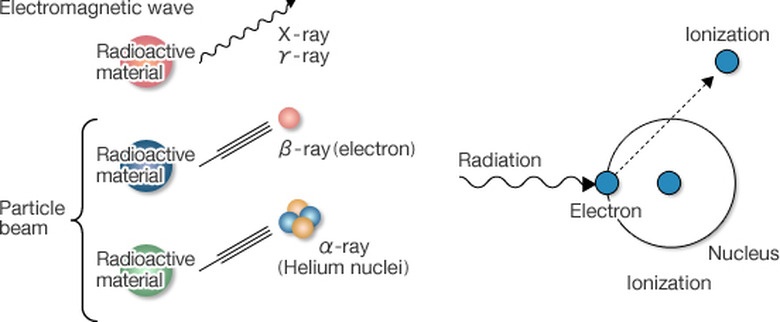
Radiation is a form of energy that travels through space. It has the ability to change the state of atoms and nuclei by altering them into ions that are electrically charged. The Sun emits radiation when it produces light and heat and even though we appreciate the benefits that it provides, we also ensure that we control our exposure to it.
There are different forms of radiation including: Alpha, Beta and Gamma. Alpha radiation hardly ever penetrates the human skin but when it does (through the air, food or wounds) the effects can be very dangerous.
While Beta radiation has the ability to penetrate the human skin, everyday clothing is enough to protect people from its rays.
Gamma radiation has properties that are very similar to X-rays and has much greater penetrability than Alpha or Beta.
Although all of these forms of radiation have differing properties, the ability to cause harm when exposed to each type is equally relevant.
A research study found that most cell phones among U.S. carriers produced radiofrequency energy that our bodies absorb between the ranges of 0.35 and 1.59 watts for each kilogram. To put this into perspective, this is the maximum level of radiation that the U.S. government allows.
It is important to keep in mind that exposure will vary according to area, network and frequency of use. This is known as the culmination effect which is when small doses of radiation build up and affect the body over time.
The Effects of Radiation
While many people understand that prolonged exposure to radiation can negatively impact their well-being, many do not know that the damages can affect genetics as well.
Radiation canharm the human body in numerous ways, most detrimentally affecting the thyroid, lungs, red bone marrow and other internal organs. Once inside the body, radioactive isotopes have the ability to react in many ways – the effects are rarely identical. They can become even distributed within the body, or accumulate in the muscles, bones, thyroid, liver, kidneys, spleen, etc.
Over time, these radioactive isotopes can produce highly unfavorable consequences such as radiation sickness, malignant tumor and even death – the costs just aren't worth the risks.
The Solution
While there really isn't a proven plan to eliminate radioactive contact in our daily lives there are certain things that we can do to limit our exposure. It really starts with reducing our cell phone use to times when we really need to use it.
We have become a society that is plagued with the burden of being constantly preoccupied with either texting, surfing the web or playing the latest game on our mobile devices but we should really be cognizant of the effects these activities may have while making an effort to reduce our chances of overexposure.
You can look into learning about radiation detectors that you can use at home to find out how much radiation you are being expose to on a daily basis.
Our health should be our top concern and if playing an hour less of Pokémon Go is the sacrifice we all have to make, so be it.