

Emerging Health and Wellness Tech Trends to Keep an Eye On
In 2015, the total dollar amount of venture capital-funded deals in health technology grew higher than ever, accounting for 7% of total venture funding. In that same year, 267 digital health companies raised more than $2 million. Fast forward to 2016, and the current marketplace for digital health and technology funding is hitting a record pace yet again, according to Rock Health.
Despite recent investor, founder and tech media chatter surrounding lower valuations and conservative VCs in the tech industry at large, the digital health sector is seeing an uptick. Total funding in the first quarter of 2016 reached $981.3M. Some of the largest deals thus far include Flatiron Health, Jawbone, HealthLine, Health Catalyst and Higi, according to the same Rock Health report.
While investors continue to favor a few popular categories, we're seeing digital health innovations emerge and new trends beginning to take hold. Some of these include:
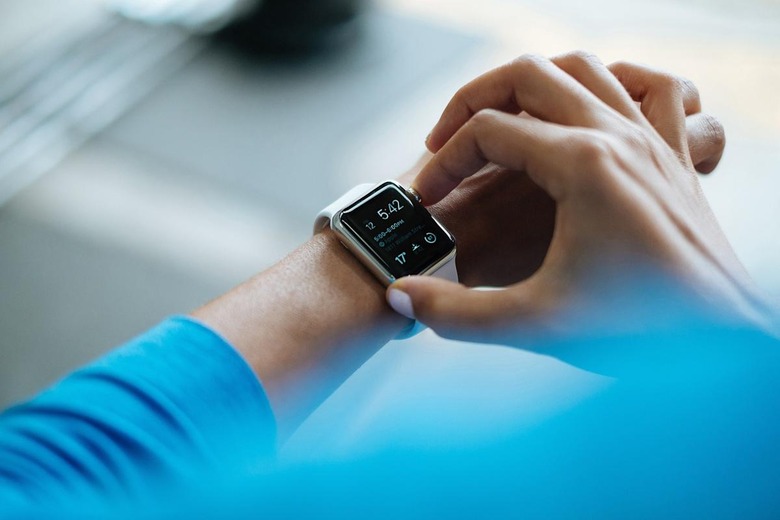
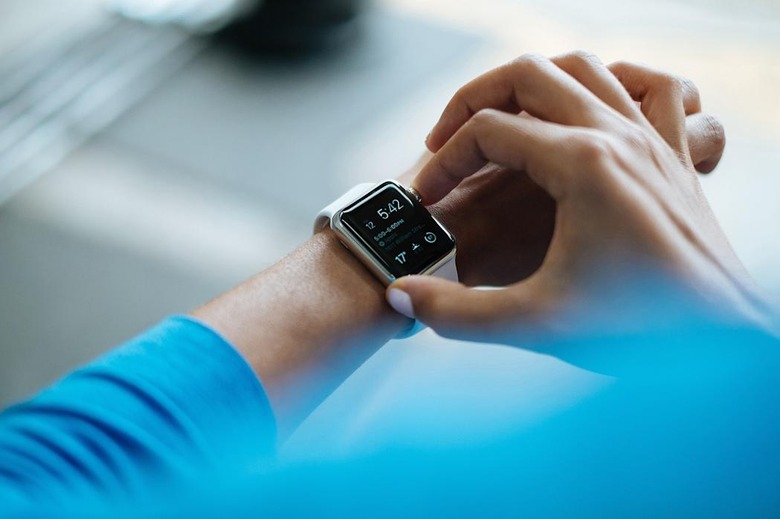
- Wearables and biosensing technology – Rock Health reports that this space has seen a huge amount of investment, which we'll continue to see throughout 2016. The wearables and sensors allow for 24/7 monitoring, gathering key data which will become essential for healthcare providers.
- Corporate wellness programs – The ever increasing popularity of health apps and fitness trackers amongst consumers grew by 52% in 2015. This growth in the market is certainly being noticed by corporations that are looking to improve or expand on wellness programs and implement tactics to lower health insurance premiums. For example, BP has utilized the FitBit tracker to challenge employees who hit one million steps over the course of a year to become eligible for an even greater deductible health plan.
- Innovative partnerships – Many corporate and tech giants are making inroads into healthcare according to several reports. IBM recently partnered with CVS to better analyze the deteriorating ailments of customers through predictive analytics. Novartis (a Swiss drug maker) and Google have also partnered to develop a "smart" contact lens to help patients with diabetes better measure the glucose from their tears.
- Smart pills – These are becoming the latest, non-invasive tools to help collect data. A hospital in California became the first to prescribe ingestible sensors for patients with hypertension. Also, a hospital in Texas was recently the first to use smart pills to track the health of about 75 children suffering from all different ailments and who were required to take medication daily to manage their health.
However, with all these innovations in digital health, there are heavy regulatory issues in the U.S. which are a driving factor in the marked increase in digital health funding outside of the states, as reported by CB Insights. In many other parts of the world, regulatory issues are less of an obstacle. In developing countries like India, where the patient to doctor ratio is very high, the need for digital health solutions increases as well.
Countries like Singapore are booming in innovative technologies in large part due to a welcoming, business-friendly environment. Not to mention its close proximity to Vietnam, Indonesia, and the Philippines that have an emerging middle-class and still hugely underdeveloped healthcare systems. Singapore is also near "frontier markets" like Myanmar and Cambodia that are huge sectors for health tech innovators focused on the world's poorest.
Additionally, Canada, Switzerland, China, France, Israel, and Japan (along with the U.S.) are providing some of the best innovations in wearable technology. While this is certainly an exciting time for innovation in digital health, what will prove to be the most successful trend? It's tough to say, but the data collection is a key component that provides healthcare professionals access to a greater breadth of data that can be used to treat patients more effectively. Wearables, apps, and smart pills seem to be the most efficient in tracking and analyzing health data and are taking off now, but the ever-increasing interest and funding in this sector can only lead to bigger and better things.