

Americans really don't want AI data centers close to their homes
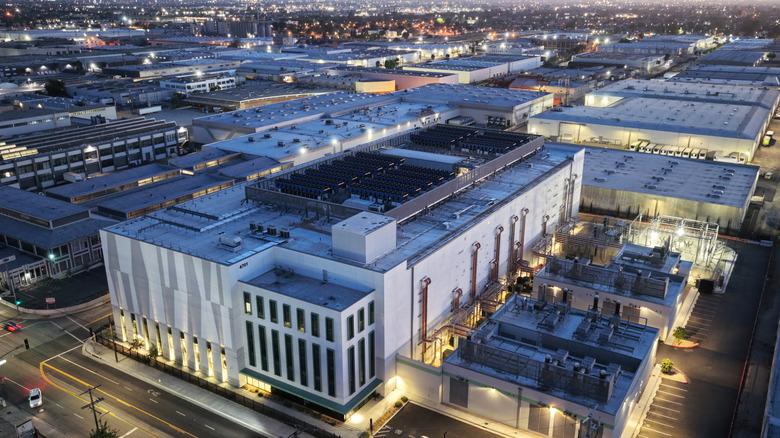
AI companies are spending astronomical sums of money on building data centers as quickly as possible in order to increase their compute power. But the majority of Americans don't want that infrastructure close to their homes, according to a Gallup survey.
The polling company asked 1,000 adults across the US about their views on AI data centers, and 71 percent were against having one in their local area. Almost half of the respondents (48 percent) were strongly opposed. On the flip side, just seven percent were strongly in favor of having a data center close to their home.
There are plenty of reasons to not want to live close to data centers. They often require a lot of land. They can be loud, and some nearby residents have raised environmental concerns over noise pollution. SpaceX's AI division (formerly xAI) recently added more natural gas turbines to a Mississippi data center, despite facing a lawsuit over alleged violations of the Clean Air Act. Other companies are using such turbines to power data centers too. Data centers also tend to use a lot of water, which can cause shortages.
Electricity costs have soared for folks in some areas given the vast amount of power required to run data centers, though some tech companies have pledged to mitigate price increases. The residents of Lake Tahoe in Nevada and California don't quite know where their power is going to come from as of May 2027 after their current supplier decided to focus on serving data centers instead.
Half of the Gallup survey respondents who said they'd oppose the construction of a local data center cited the effects on resources, such as water use, power grid constraints and deforestation, while 16 percent mentioned noise, air, water, light and heat pollution. Just under a quarter (22 percent) said they had quality-of-life concerns related to the impact on property values, health, traffic and how much space these facilities take up. Fourteen percent of respondents cited their personal dislike or distrust of AI, while 12 percent noted their concerns about AI supplanting human workers.
On the contrary, 55 percent of those in favor of building data centers in their area said they'd lend their support because of job opportunities. Two thirds cited local economic benefits more broadly. A tenth noted personal benefits, with nine percent claiming that they already use AI. Just one percent said they already supported AI or tech in general. Interestingly, only six percent of those who'd support local data center construction said AI was the future or that it was inevitable, despite AI companies trying to hammer that message home for the last few years.
Some jurisdictions have moved to block the construction of data centers. The council of Monterey Park in Los Angeles County, California recently enacted a ban on new data centers within city limits. New York state lawmakers have proposed a three-year moratorium on new data centers, and there are efforts at the federal level for a nationwide pause. On the other hand, Maine's governor last month vetoed a bill that would have temporarily banned the construction of data centers that consume at least 20 megawatts of power.