

November is the month of fake Black Friday tech deals - here's how to spot them
That Black Friday discount you’re excited about might not be as good a deal as it seems.
Black Friday falls on November 27 this year, but retailers like Amazon and Best Buy will have sales running well before then. Some of these sales may be well worth taking advantage of, while others may seem like bargains until you compare prices. Then there are outright scams, including fake storefronts and phishing emails posing as retailer promotions.
For example, a 2025 study by UK consumer organization Which? tracked 175 products across eight retailers (including Amazon) from May 2024 to May 2025. The results showed that 83 percent of these items were available for the same price or less at least once outside the four-week Black Friday sales period. That doesn't prove retailers intentionally raised prices, but it's a reminder that a discounted price tells you little on its own. Similarly, Bitdefender found that scams accounted for 53 percent of the Black Friday-related spam it analyzed between October 1 and November 10, 2025. These included fake Amazon coupons and messages impersonating familiar retailers.
Check the price history, not the discount percentage
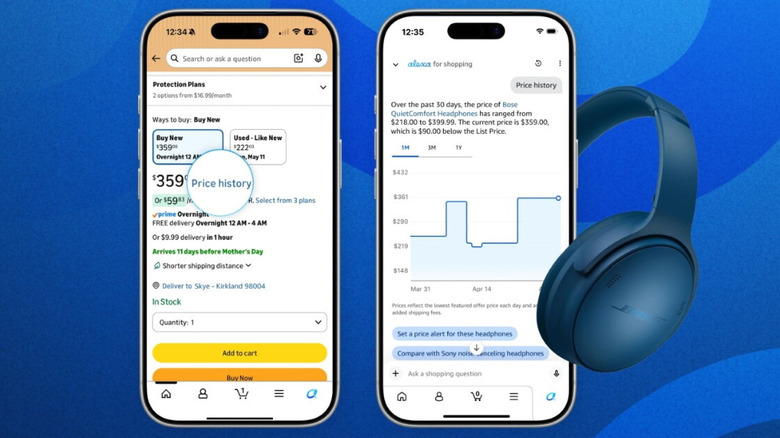
If you're buying from Amazon, the best way to check whether a discount is actually worth it is to copy the product URL from Amazon and paste it into an Amazon price tracker like CamelCamelCamel or Keepa. Similarly, Amazon's Alexa for Shopping assistant (previously called Rufus) can display up to 365 days of price history for eligible items without requiring a Prime membership. Google Shopping compares prices from retailers and, for US shoppers, can indicate whether the current price is high, low or typical for the product. Slickdeals discussions can give you additional information regarding past sales, but community member comments are not verified price records.
If you see a sharp price increase just before a November sale, it deserves a closer look. Take the Samsung Jet Bot robot vacuum, which UK retailer John Lewis advertised for £350 on Black Friday 2024, down from £500. Which? found it had sold for £299 on 29 days in May and June, while the £500 price had only been in place since October. Suddenly, that discount doesn't seem so good. Shipping costs and coupon requirements can also raise the final price, making a potential deal much less appealing at checkout.
Do, however, bear in mind that historical lows aren't guaranteed to return. RAM prices, for example, are expected to stay high through 2030, so you likely won't get a massive deal anytime soon.
Fake storefronts and sellers are a different problem

Inflated discounts are annoying and misleading, but a fraudulent retailer can ruin your Black Friday experience entirely. That's why you shouldn't immediately jump on a heavily discounted GPU or gaming console from a vendor you don't recognize. Many scammers will use the same logos and product descriptions as legitimate retailers, lulling you into a false sense of security to acquire your financial information or sell you fake goods. Some may take your money and then cut off contact, never sending you anything at all.
So instead of clicking on links in unwanted emails or questionable sponsored ads, visit the retailer's site directly. It's always a good practice to check the full web address, seller reviews and return policy before buying. Even a professional-looking storefront doesn't necessarily mean the retailer is legitimate. Whenever possible, the FTC suggests using a credit card so you can dispute charges for products that never arrive. Also, don't hesitate to walk away if a seller demands gift cards, wire transfers or cryptocurrency payments.
The same applies to Amazon: Check who's selling the item and not just who's shipping it. Even products listed as "Ships from Amazon" can still be sold by a different company, which would be listed under the "Sold by" heading.