Cataline Brown

Engadget Editorial Policies

The unique content on Engadget is a result of skilled collaboration between writers and editors with broad journalistic, academic, and practical expertise.

In pursuit of our mission to provide accurate and ethical coverage, the Engadget editorial team consistently fact-checks and reviews site content to provide readers with an informative, entertaining, and engaging experience. Click here for more information on our editorial process.

Stories By Cataline Brown

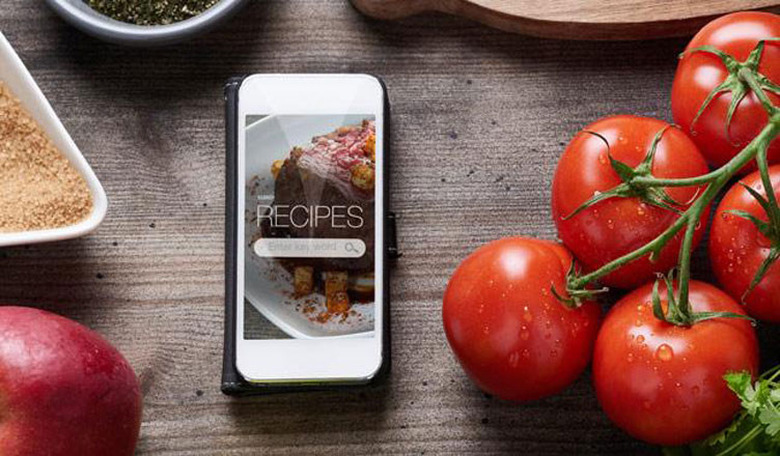
  • Innovative Platforms Can Bring Fabulous Food in Every Kitchen

    Gone are the days where you can only have delicious, professionally cooked food by eating out in a restaurant or ordering a takeaway. Sure, services like Deliveroo and JustEat have raised the bar for takeaways, meaning that customers can order food from a much wider range of local restaurants in their area from the comfort of their home using a mobile phone, tablet, PC or laptop. Now, there's no doubt that companies like Deliveroo are game changers in the food and restaurant industry, and these services are only going to grow in popularity until we can eventually access any cuisine at any time. However, no matter how much we try to dress it up, the truth remains that these services are really just encouraging us to spend more and become lazier in the kitchen. While it's sometimes nice to indulge and treat yourself to a meal out or a takeaway, wouldn't it be nicer and more rewarding to be able to cook a tasty meal yourself from scratch? Not only will you potentially notice a positive difference in your bank balance, but your body will be thankful for the extra nutrition. Of course, there are plenty of ways you improve your culinary skills, and this has become much more achievable thanks to technology and innovative platforms. We've always had recipe books, but millions of recipes can be found by searching online, making it easy for users to filter their searches quickly so that they can find something that suits them and their dietary needs. Apps such as Pinterest have created a platform for people to share recipes and save them for later use, often presenting them in a more visual way so that they're simplified, easy to follow and aesthetically pleasing. Many chefs and bakers have turned to video sharing sites such as YouTube, using it as a platform to teach viewers their recipes and make them in front of the camera, almost like a free virtual cooking class. A trend that's becoming increasingly popular across Facebook are short videos showcasing recipes in an even more visual way. These videos are generally around 1 minute long and use a bird's eye angle, quick cuts and time lapses to show a recipe being made. These allow viewers to quickly browse through an archive of visually pleasing videos to gain inspiration and not only be able to print the recipe off, but they're also able to watch it be made. Although these are all creative and successful ways to help us improve our culinary skills and provide inspiration of what we should cook, there's a difference between watching videos online and actually being taught how to cook. Sure, you can attend a cooking class or embark on a training course, as there's a growing number of classes available, giving chefs the opportunity to share their skills and knowledge with customers and earn a bit of money on the side. However, while this is a growing concept, it still might not suit some people. Some may find the idea of learning in a group on somebody else's property intimidating or off-putting, or they might not find it personal enough. Some might find it too expensive, while others may not be able to find a class local enough to them, let alone at a time that suits them. However, cooking classes have been taken to a whole new level as creators behind the platform Cookscanner have designed a service that allows people to hire their own personal chef to teach them how to cook. This website gives users the opportunity to search and find local chefs specialising in all sorts of cuisines, and who are willing to come to your home and teach you how to cook. The site's layout is similar to Airbnb in that you simply sign up either as a customer or as a teacher, and you simply search for your location. Once you've set your location, you'll be shown a list of local chefs that have also signed up to the service to provide their service. The chefs design their profile where they state their specialist cuisine, and they can then add as many recipes as they wish to their page. Customers can then look through their recipes and choose one that they'd like to learn, and can then request to book their services. The chefs can choose to charge per recipe, which may take a set amount of hours, or they can charge by the hour in order to fit more or less in. They can specify how far they're willing to travel and whether or not there's a travel fee, and whether they charge extra for ingredients. Once you've hired the chef and arranged a date, time and chosen recipe, they can then come to your home and give you a cooking lesson. The service is one-on-one which makes it much more personal and engaging, and because the lesson takes place in the customer's home, it's likely to make it a more casual, comfortable experience which may provide more successful results. Customers can rate and review their chefs and their experience with them and vice-versa, which allows other potential customers to browse until they find a more reputable chef to ensure that their experience is satisfactory. Different chefs will also charge different prices, which may put customers at ease if they're on a budget, as they can choose a chef within their personal price range. Some people may be put off by paying to hire a chef, but if they added up the amount of money spent at restaurants or on takeaways, they may be surprised at how much money Cookscanner could save in the long-run. Furthermore, it would be much more rewarding to be able to cook your own meals, and it may also be much healthier as the meals will be made from scratch, meaning that you know exactly what's going in them, whereas restaurants add so much unnecessary salt, sugar and other unhealthy ingredients that you might not even notice. In conclusion, while the growth in technology and innovative platforms may make it easier for people to rely on having food cooked/delivered for them, it can also encourage them to try out new recipes and cook meals themselves, with platforms that make it easier to increase your culinary knowledge and skills, with newer, more innovative ideas being developed all the time.

    By Cataline Brown Read More
  • How to Improve Your Culinary Skills Through Your Smartphone

    In an age dominated by smartphones and enhanced technology, you can pretty much find a shortcut to everything. Everyday tasks can be made 10 times easier and quicker at the click of a button, and an increasing amount of things can be connected to the internet or a smart app. So, can something as traditional as cooking possibly be improved by technology? Well, yes, it can. There are tons of different products and appliances that can transform your kitchen and potentially save you a lot of time and effort. However, there are many non-physical ways that technology has changed cooking for aspiring home chefs. As any avid smartphone user will know, app-stores are filled with different apps for every occasion and purpose, and with an increasing interest in cooking and baking, there's a growing demand in apps that can help inspire, educate and generally help out budding chefs in the kitchen. You only need to log in to Facebook to see an abundance of quick, easy recipes, and these are becoming more popular among a much broader audience due to their arty, aesthetic presentation through short videos. These attract a wider audience because they're easy to watch, they're made to look very easy to accomplish with basic ingredients and skills, and the end product often looks appetising and aesthetically pleasing. However, this isn't the only reason why more and more different types of people are getting into cooking. There are so many apps available which target not only a younger, more technology-driven generation, but also older people who may have once relied solely on cookery books. There are apps that provide recipe ideas that meet any person's taste or dietary requirement, ranging in difficulty and time. However, there are also apps that convert measurements, making it much easier to follow recipes from across the world. So, what type of apps are available for me if I want to improve my culinary skills? Developers have produced an app called 'Handpick', which is said to have the potential to convert photos of food posted on Instagram into recipes, so that users can reproduce any meal they find themselves enviously drooling over as they scroll through their Instagram feed. The following article lists a number of must-have apps for any cook; these include 'Epicurious' and 'BigOven', both of which are basically huge databases containing thousands of meals which suit all dietary needs. They range in complexity and allow users to discover recipes and ingredients, as well as being able to filter their search depending on their diets, allergies or personal preferences. The apps also offer alternative ideas, and let you search for recipes based on the time of year or specific occasions and events. Another app mentioned in the article is 'Paprika', an app described as a recipe manager. This lets users save recipes in an orderly way, whether you've found them online on cooking websites, or if you've input them yourself, such as if it's a family recipe you want to keep saved forever. They also discuss 'Escoffier', a free app that converts various measurements, provides a glossary of cooking terms and equipment. New York Times list their recommended cooking apps; here, they talk about 'Allrecipes' and 'Yummly', which are both databases consisting of thousands of recipes. Allrecipes is derived from the cookery website with the same title and is much more simplistic, while Yummly focuses more on attracting users with mouth-watering imagery. Both apps allow users to search for recipes based on the name of the meal, the ingredients they have and cooking times, and they can filter their results if they have a limited supply of ingredients or if they have dietary requirements. Allrecipes is said to be more concise and easier to read, while Yummly includes a lot more detail such as nutritional information, which some users may find inconvenient, especially if they're in a rush. They also discuss their favourite cooking app, 'SideChef', which also stores a database of recipes which can be searched for, or discovered through their multiple categories and suggestions. New York Times commend this app not only because of its 'glossy' appearance, but also because each recipe includes an interactive 'cook' button. Once tapped, this button leads to a screen with a timer and visual instructions for each step, alongside an electronic voice that directs you throughout the recipe. This unique feature stands out because it allows users to get on with other tasks without having to tap the screen with their messy fingers every minute. Another recipe app which includes 46 subcategories is 'Flavourit', and this app is exclusive to the iPhone. While Flavourit is essentially a database of recipes, it's much more visually presented and is designed to be a lot more personal than other apps, where easy-to-see icons replace text to make it appear more simplistic. While the instructions are more visual, text can be displayed if the users want. This app also allows users to create their own 'cards' with their own recipes submitted, and these feature their own images and own instructions. This app is arguably more for people who create their own recipes and want to take time to make their own visual recipes that they can store in a neat, digital way and to share with others through social media. Huffington Post published an article which revolved around 'Cucumber', an app that helps users construct their own cookbook using recipes included in their database. The main selling point of Cucumber is its ability to scan products in supermarkets and then find recipes that use the said product, making it a suitable app for people on the go, who may want to quickly find recipes while doing their weekly shop. The developers behind Cucumber claim that most barcodes or QR codes that can be scanned through a smartphone are printed on the bottom of products, meaning that in order to scan them, customers have to pick them up and locate the codes themselves. However, Cucumber claims to be able to scan products just through their product label, making it much easier and quicker if you're in a rush or if your hands are full. For a more adult audience, there are also apps that provide recipes for a number of cocktails, suitable for any budding mixologists, or anybody wanting to spice up a party. 'Mixology' and 'CocktailFlow' are both apps that contain a database full of cocktail recipes, and these are both very visual with appealing aesthetics. Mixology is more basic with eye-catching imagery and easy-to-follow instructions, offering users the ability to search for cocktails and upload their own recipes. CocktailFlow uses a more simplistic design with slick functions; they provide a list of different ingredients so you can tick off all the drinks you may have in your drinks cabinet, and this narrows down your search to give you a more specific selection of recipes to choose from. Lastly, 'Onthebar' is a much more personal cocktail recipe app which gives users their own profile to fill in, much like a social networking app. Here, you can fill in information about yourself, such as your personality, what social events you enjoy, your favourite drink(s) of choice and drinks that you'd like to avoid. Onthebar also allows users to connect with other profiles, including a list of profiles of professional mixologists and bartenders, so you can share and be inspired by other people's recipes. You can 'like' and comment on different recipes, much like you would on Instagram, and each recipe includes information about the drink, as well as instructions on how to make it. In conclusion, there are many apps out there that can improve your culinary skills and potentially transform you into a Michelin star chef or, as we've discovered, a professional mixologist. Whether you want an app that provides a ton of recipes, or if you want to share your own recipes and connect with others, there are so many apps to choose from, all with different outstanding features, that you're bound to find something suitable for you.

    By Cataline Brown Read More
  • How to Save Time, Effort and Money with Multitasking

    Do you sometimes find yourself praying for extra hours in the day to complete all of your mundane chores? When you're spending an eternity trying to finish off your housework, do you imagine how much easier life would be if you just had an extra pair of hands? Let's be honest, housework can be incredibly tedious, especially when you think about all the things you could be doing in that long period of time. Thanks to the internet, we may come across little time-saving tips and tricks to help kill two birds with one stone, but chores would be much more enjoyable if products were designed to multitask. Sure, developed technology means that many common products and appliances are automatically fitted with additional functions that save time and effort, but there are many products on the market which specialize in performing multiple different jobs at the same time. How do multitasking products save time and effort? The main aim of multitasking products is to save time and effort; most people will purchase this type of product so that they can perform two or more tasks at once, and this can essentially save a lot of time as it would to do each task separately, using different products to do so. The idea is that using multitasking products allows the job to be completed in half the time, with the minimum amount of effort being used. This allows customers to reduce the time spent slaving over boring chores so that you can spend that time doing something more productive, or something that you actually want to do. How do multitasking products save money? When it comes to buying multitasking products, they can often be quite expensive, which is why so many customers are put off from making the purchase. However, if chosen wisely, these products can potentially save a considerable amount of money in the long-run. In some cases, one multitasking product can have so many different features and functions which you'd normally get individually from a selection of other products. By simply purchasing one, perhaps more expensive product, you could find yourself saving money if you were to buy all the individual products separately. Of course, there are many multitasking products available that have unnecessary extra functions and features, and they're often functions that you don't need and wouldn't use normally. Some may see this as a waste of money, and it may not end up saving you the money in the long-term especially if you don't use all the features provided. Multi-tools Everybody should own a toolbox, especially if you're into DIY or if you go camping or traveling, where you may need to put your handy skills to the test. However, with so many tools available, it can be inconvenient to have to lug around a big, heavy toolbox filled with various different tools. Multi-tools are single products that have a number of different functions and features on them so they can be used for a number of different jobs. This makes life so much easier for when you need to quickly grab a tool, or if you want to transport the tools in a compact way if you're traveling, for example. This may also be a cheaper option if you would otherwise buy each tool separately; you can choose to buy 10 standard priced tools individually, or you could spend slightly more and buy just 1 tool which contains all of the functions from each tool within it. For example, you could buy a set of pliers which also have the ability to cut like scissors, as well as containing a screwdriver function. Stand mixers The stand mixer is a very popular appliance to have in the kitchen, especially among budding chefs and aspiring bakers. This product's ethos is to save a lot of time and effort because you can leave it to mix your ingredients electronically on its own while you get on with other tasks. Anybody who's familiar with baking is likely to understand the struggle of having to mix ingredients using only a hand whisk. Using a hand whisk only develops a dead arm and poorly combined cake mix in double the time it takes for stand mixers to effortlessly combine the ingredients into a smooth mixture with absolutely no lumps at all. Nobody can deny that stand mixers save time and effort, but how do they act as multitaskers, I hear you ask? Well, many stand mixers have a number of different tools and attachments for different needs, and a lot of them offer accessories so that you can use it for more than just mixing ingredients together. For example, some reputable stand mixer manufacturers offer extra accessories such as ice cream attachments, pasta sheet rollers, food grinders, juicer attachments, strainers and accessories that slice and shred ingredients, among others. This means that customers can buy this one just product as well as any suitable accessories as opposed to buying a number of different products, making it more compact, easier and essentially cheaper. Smart appliances Smart appliances are slowly making their way into the mainstream market; we're already familiar with smart phones, smart TVs, smart watches, but advanced technology is now making it possible for our household appliances to become 'smart' as well. Smart appliances are connected to the internet, and they're designed to become personalized to the user's needs so that they can perform more efficiently, saving you a lot of time and effort so that you hardly have to do anything yourself. For example, your dishwasher may be able to record how much water and energy you're using, and memorize your usage habits to try and help you get the most out of your appliance. Or, your fridge may start detecting shopping habits so that it can alert you if you're low on anything, as well as automatically placing a weekly food order for you. While these products aren't common yet, there's nothing to say that they won't be soon. Of course, the price tag on smart appliances is one of the main deterrents for standard home-owners, as they're much more expensive. However, the technicians behind these products claim that the smart technology is designed to help customers cut down on their bills, as well as functioning as a normal appliance, indicating that you may save money over time.

    By Cataline Brown Read More
  • Controlling Objects With A Smartphone: Will it Be The Norm?

    Unless you're part of the minority in the western population that doesn't own a smartphone, you'll be very familiar with the convenience that smart objects create, and how they save time and effort, creating shortcuts for almost every aspect of our daily lives. Many of us couldn't imagine our lives without our beloved smartphones, and whether or not we feel comfortable admitting it, most of us would be lying if we said we could easily spend a day without it. However, even though smartphones have become such crucial parts of our society and culture, they really haven't been around that long. While the first mobile phone was invented in 1876, it took just under 100 years for the very first phone call to be made on a mobile phone in 1973. It then took another 10 years for the first mobile phone to be made available to the public, when the very basic Motorola DynaTAC was sold in 1983. The process of designing, producing and releasing the first mobile phones to the market seemed to be a considerably slow process, especially when we think about how much they have developed since the first mobile phone in 1983. The first mobile phone only had very standard functions, as it was only used for making phone calls. The exterior was bulky and they measured up at over 14 inches tall. When we compare this to what we're used to now with our sleek, thin and relatively smaller models, it goes to show how much has changed just visually over the past 30 years. And of course, that's not to mention the way mobile phones have changed and developed technically. Before the year 2000, the very idea of being able to connect our mobile phones to the internet seemed bizarre, but now we're used to nothing else. Mobile phones as we know them not only connect to the internet but they're filled with time-saving apps, different messaging and communication services and cameras, and we're used to being able to share anything to social media instantly, and access whatever we like at the tap of a button, or even just with our voice. This is because we're part of a generation programmed with '', and this doesn't stop at our mobile phones. We're now given the option of connecting to the internet through televisions, tablets or iPads and even our watches, all because of an ideology known as 'the internet of things'. This idea of connecting everything to the internet makes us question what's next, and how long will it take us to expect to connect all of our everyday objects, appliances and devices digitally to the internet and online accounts? If we can connect something as simple as a watch to the internet, then what's stopping us from syncing things such as our dishwashers, fridges or washing machines with our online identity? What would this mean for the future of using household objects, and what are the potential benefits? Many household appliances and objects are already fitted with smart technology, although many of these haven't become popular yet for various reasons. Examples of smart technology in our homes include smart thermostats which can be controlled, used and personalised through your smartphone. This allows users to set their preferences through their phones, and change any settings when and where they like. Due to the smart technology, it's believed that it would monitor your activity to learn your preferences very quickly. Another example includes CCTV; we all know why security cameras are important, but recently smart CCTV has become more popular. This allows you to view any footage from your smartphone, laptop or PC at any time, and you can monitor anything live instead of having to wait until after it's filmed. Other perhaps less common examples of smart technology include household appliances being made 'smart', so that we can control them through our smartphones, or other digital devices. For example, some manufacturers of coffee machines and slow cookers have jumped on the smart technology bandwagon by allowing users to download an app that is connected to the machines. This means that they can brew a cup of coffee from the comfort of their bed without having to move to make it themselves, or cook a meal while they're at work, ready for when they get home. Bigger household appliances are also beginning to join the smart technology craze. Imagine if your refrigerator, dishwasher or washing machine had its own online identity where you could create an account which automatically monitors their settings, usage and preferences. This may be beneficial because while this technology is expensive, it's designed to give users the best, most convenient experience, and they claim to save money in the long-run. Smart dishwashers and washing machines aim to monitor your water and energy usage so that it can advise you on how to use it more economically and in a more environmentally friendly way, to help cut down your bills and annual usage. Smart vacuum cleaners are another smart trend that is yet to become mainstream as it's designed as a robot-like device that vacuums your house for you, whether you're there or not, as it can be controlled from your phone. Using cameras and sensors, they map and memorise the layout of your house in order to navigate around your rooms and clean the floors efficiently and regularly. Smart thermostats are popular because they're arguably more accurate and while you spend more on the actual product, they claim to save roughly 20% on average on yearly heating and cooling bills, subsequently saving money in the long-run. Many of us only think of the time-saving benefits that come with smart objects, and the convenience they bring. However, many of these products aim to not only save time and effort, but they also monitor your personal usage so that you can potentially save money from bills and use the devices in a more energy-efficient way. How likely is it that this will become mainstream? Some developers predict that eventually all of our appliances will be produced with smart technology, and that it will become the norm just like other smart objects have. At one time, we wouldn't be able to imagine everybody having smartphones, smart TVs or tablets, but they've become common at an incredibly fast pace. One of the main reasons that this industry isn't hugely popular is because of the cost. The smart products that are currently available on the market are all much more expensive, and the reality is that not many people are as inclined to spend such a large amount of money on them when they can buy a cheaper, more basic version, especially if they already own them. Even though many of these smart trends and innovations claim to help save money in the long-run, this isn't definite and fewer people are likely to want to spend large amounts of money at one time, even if there's a chance they'll save money on bills in the long-term. Another worry about connecting everyday objects to the internet include security risks. We're constantly bombarded with stories about cyber-crimes, and a lot of people would be put off by the risk of having their personal accounts hacked in to. Furthermore, people may be intimated by the complexity of the smart technology used because they sound so complex. The thought of having to install and work out how to use multiple apps to connect to each of their household objects may put people off from trying them. However, companies such as 'Evrythng' are working on solving this issue through the use of just one app that can potentially control multiple objects in your home. This may make the whole idea seem less complex and daunting, and could attract more people to the trend. More things need to be done to make the idea of connecting our houses to the internet seem less further away, and perhaps the biggest issue is making it more affordable. However, the growth in smartphones and other smart objects makes this innovation seem more promising and plausible, and in just a few years' time we might be wondering how we'd manage without robot-like smart objects dominating our homes.

    By Cataline Brown Read More