Chris Burch

Engadget Editorial Policies

The unique content on Engadget is a result of skilled collaboration between writers and editors with broad journalistic, academic, and practical expertise.

In pursuit of our mission to provide accurate and ethical coverage, the Engadget editorial team consistently fact-checks and reviews site content to provide readers with an informative, entertaining, and engaging experience. Click here for more information on our editorial process.

Stories By Chris Burch

  • Tech Fashion Trends For The Future

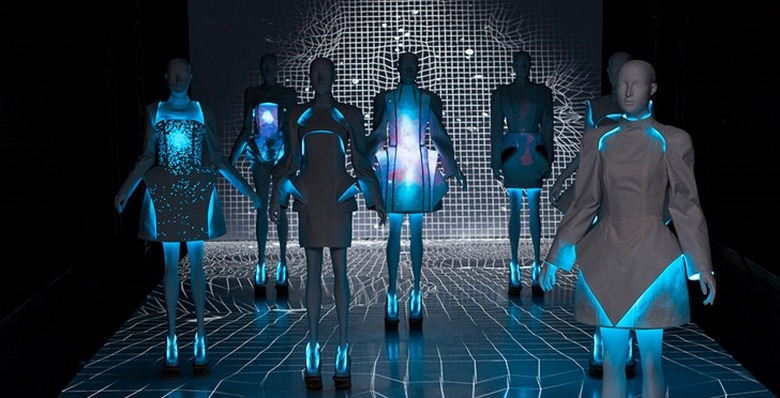
    The fashion industry, as well as the technological industry, have seen many changes through the years. The one remaining constant is that both industries grow together. Over time, technology becomes fashionable, and fashion becomes technologically fashionable. How they have grown together is a fascinating journey. A glimpse of the past and present shines a light on what lies ahead in the future. -Christopher Burch The Past And Present The 70s boom box brought excitement as it allowed the user to carry around favorite tunes and stations. Also, with two cassette decks, one side played music, and the other could be used to record from the other cassette. Its use, going into the 80s, was added to movie story lines which added to the popularity of carrying one. Moving forward to the 90s, one could buy a more personal music experience with the invention of the Walkman. Another decade later, this personal experience became even smaller with the purchase of the iPod. Technology grows with the popularity of what one considers fashionable. Currently, the synthesis of technology and fashion is happening. Fashion designers delight in creating what delivers, and they see this possibility with the use of technology. Such use brings a higher standard in innovation and functionality. Anouk Wipprecht, a Dutch fashion designer who marries technology with fashion states, "[technology is] like a playground, a place of experiment, and as you dive deeper and deeper into the technology and systems, it rewards you with endless possibilities." She is known for her avant-garde designs. She has quite literally designed a drink-making dress, the DareDroid and Pseudomorphs, the self-painting dress. Looking Towards The Future Other fashions advance through the use of technology in a way to protect us. While it may not be fashionable to wear bike protection, Anna Haupt and Terese Alstin created a system one would wear around the neck, the Airbag for Cyclists. An airbag pops up out of the neckwear to protect one's head from impact. When not opened, one has better visibility of the surroundings, which certainly is the negative aspect of wearing a helmet. Firefighters could find great protection for their team by wearing Frontline Gloves, created by Ashwin Rajan and Kevin Cannon. These allow the firefighters to let each other know valuable information through simple hand gestures to let others know such things as when to leave a scene or building, or to say that everything is okay. Interestingly, designers are recycling materials to create fabulous fashions. SegraSegra recycled inner tubes of bicycles to create jackets and t-shirts, and Emma Whiteside created a large gown with recycled radiator copper. Fashion and technology can be used together for creating energy. Since movement can be changed over to electrical energy, newly created clothing captures this kinetic energy to power such things as a watch, mp3, and so on. Soledad Martin is working on a prototype for shoes so that while walking or running, one can charge a cell phone. Technology And Fashion Work Together Sometimes technology needs assistance to gain popularity from fashion. For instance, wearing glasses have had little acceptance up until recently. Google Glass, while from a computer geek's point-of-view may be intriguing, the problem is for one, a stigma of wearing glasses. For another, the cost for the average person is astronomical. But here is another issue; someone could want the technology that does not wear glasses. One top fashion designer, Diane Von Furstenberg came to the rescue. Her models wore them while on the catwalk. Fashion shows tend to wake people up to the latest styles and trends, so accepting the new technology of Google Glass should have the same effect. Thus, advances in technology may need to benefit from the world of fashion. As we can see, fashion and technology can grow together and can even help one out one another. The future of technology is leading into the future of fashion. Technology and fashion both work hand-in-hand to make each one the best. Technology not only creates beautiful fashions but helps in creating functional fashions as well. The excitement of tomorrow lies in what both industries learn from each other to make this world a more beautiful, creative, and protected place in which to live. Chris Burch is founder of Burch Creative Capital.

    By Chris Burch Read More
  • The Future Storefront: How Brick and Mortar Retail Will Look by Chris Burch

    When e-commerce hit the scene, many believed that it spelled the end of brick-and-mortar retail as we know it. Fortunately for storefront businesses, this hasn't come to fruition. However, the march of digital commerce goes on. Consider this: In 2013, 8 percent of all sales were made online. By 2018, that number is expected to hit 11 percent. Instead of going extinct, brick-and-mortar businesses are adapting. In fact, many are embracing the rise of mobile and Internet technologies by encouraging them and even incorporating them into their stores. Here's what you can expect storefronts to look like in the years to come. One Store, Many Roles Traditionally, a retail store was strictly transactional in nature. People came in, selected goods, paid for them and left. To compete with online retailers, brick-and-mortar stores are assuming many different roles. Some, like Tesla, act strictly as showrooms. They keep no inventory on hand but allow customers to check out the offerings before placing their orders online. Others, like Apple and Williams-Sonoma, act as mini schools, offering cooking classes and training lessons. Depending on the nature of a store's business, then, you can expect to see many iterations of this concept in the years to come and for the role of brick-and-mortar stores to evolve over time. Digital Technology to the Rescue Consumers are comfortable in the digital world, and savvy storefronts are capitalizing on this by incorporating familiar digital features into their layouts. These include: Kiosks with digital screens that display personalized content to shoppers Digital concierges that greet customers, offer recommendations, inform about special offers and more Coupons and other communications sent directly to consumers' phones via near-field communication technology Cloud-based POS systems that allow employees to process transactions anywhere as opposed to stationary cash registers Coming Soon to a Storefront Near You Chances are that you have at least had a glimpse of the future of the storefront, as many major brands have already embraced some of the following: Beacons - Enabled by Bluetooth technology, beacons are quickly merging the worlds of online and offline retail. Upon entering a store, customers' phones may light up with customized messages from a business. These may include coupons that can be used right then and there, product recommendations and other types of correspondence. Data from those who have opted in may also be sent to the store, allowing the company to collect still more information. RFID - Radio frequency identification, or RFID, is a location-based technology that has upended the way in which retailers track inventory. Special tags are attached to items and can then be tracked digitally. Not surprisingly, brands have come up with even more innovative ways to capitalize on RFID. For example, some Ralph Lauren locations use the technology in fitting rooms so that customers can instantly check for other sizes and colors of whatever they are trying on. Augmented Reality - Augmented reality refers to adding video, sound and graphics to a real-world environment. Storefronts of the future will expand upon what retailers are already doing with the technology, including demonstrating to customers how products can be arranged and used. Someday, you can expect to see virtual fitting rooms, interactive window displays and augmented reality-assisted navigation through larger stores. Virtual Reality - Virtual reality's time has come. The technology dominated the scene at the most recent CES in Las Vegas, and its immersive nature is endlessly appealing to brick-and-mortar retailers for all kinds of reasons. A handful of Lowe's stores have already put VR to use with so-called "Holorooms" that customers can use to experience products virtually. Holorooms provide 3-D mockups that allow customers to arrange various items to see how they go together. They can be personalized to reflect the details of a customer's actual kitchen, for instance, so they seamlessly blend the real world with the digital one. Wearables - The best examples of wearables include Google Glass and devices like Fitbits and other smart watches. However, new wearables are being developed all of the time. In addition to providing data to those who wear them, they can be used to transmit information to businesses as well. In the future, wearables may be used on a crowd-sourced basis to alert consumers of long lines, special happenings and more. Brands that capitalize on this technology will benefit enormously--especially when it comes to gathering useful information. Step into the Future Most of the technologies highlighted above are already being used to some degree by at least a few brands. To a certain extent, then, you've already seen the storefront of the future. Before too long, it will become increasingly difficult to separate e-commerce from brick-and-mortar retail--and that's great news for physical storefronts. Chris Burch is a leading entrepreneur, venture capitalist and founder of Burch Creative Capital.

    By Chris Burch Read More
  • How Technology Gives Fashion Startups An Edge Over Legacy Brands

    Fashion startups have historically struggled to find a niche in the marketplace, especially when competing with heritage brands, but recent technological advancements have made them far more competitive. Although heritage brands have advantages like name recognition and being established in the marketplace, fashion startups are now taking advantage of technology that allows them to offer niche clothing and accessories, custom fit clothing and unique and cutting edge designs at affordable prices. Compared to just 10 years ago, new designers have a much greater chance at success. Here are some of the ways that new technology has evened out the playing field between heritage brands and fashion startups. Online Marketing One of the biggest advantages that fashion startups have is online marketing, and social media sites like Instagram and Pinterest provide enormous and low-cost opportunities to show off a brand. Nascent designers are able to create look-books, display their clothing lines and advertise upcoming events without spending a penny to do so. Even paid advertising online is far less expensive than standard media advertising, and banner ads are often available for less than a penny per view. While heritage brands may spend tens or hundreds of thousands of dollars to advertise in fashion magazines, online advertising is so effective that established brands are using it too. In fact, Michael Kors was the first brand to advertise on Instagram. eCommerce Shopping Running a brick and mortar store is incredibly expensive. In addition to rent, fashion designers have to deal with insurance, upkeep and the cost of utilities. These expenses can dwarf all other costs, including materials and labor. However, thanks to the Internet, physical locations are no longer required to sell clothing and accessories. In spite of the fact that people aren't able to try before they buy, consumers have become increasingly comfortable with shopping for clothes online. A survey found that about half of those in the 25-34 age bracket preferred to shop online. This may be due to the fact that many startups are now taking advantage of online tools that let people create an avatar with their measurements. With a personal avatar, shoppers can see how clothing will fit without having to go into a store and try them on. Custom Fit Clothing Some designers are taking virtual body avatars to the next level by offering custom fit fashions that are created with someone's exact measurements. Tailor made clothing is available now through a number of online stores, and the process works by allowing customers to select a design and then put in their measurements. Some companies even allow people to change neck shapes and sleeve types for an additional charge. This is possible thanks to the ability of computer design programs to make the alterations needed automatically instead of by hand. The process requires more effort than standard manufacturing, but design programs and automated equipment have made the process far less labor intensive than what was required to create tailor-made clothing in the past. Niche Fashion Technology has also led to an increase in the number of successful niche clothing startups. A number of fashion startups have been able to cater to specific customers, creating everything from plus-size clothing to sportswear made with organic materials. Legacy houses have traditionally created full lines of clothing and accessories that can be worn by the largest number of individuals possible. This was necessary, at least in part, due to the fact that brands would need enough merchandise to fill a store or have broad enough appeal to be sold by other retailers. Being able to open a physical shop or being sold through other companies can be a major bonus for a fashion designer, but it is no longer required to succeed. Design Tools and 3D Printing 3D printing and the ability to create custom print fabric in-house have been also been huge boons for the fashion industry. While still expensive, digital fabric printers and 3D printers have the potential to dramatically reduce materials costs for designers. With these tools, designers can create clothing and even accessories in-house and without having to outsource certain types of production. This not only reduces costs, it can help fashion startups create cutting edge and unique fashions at prices that are still affordable to many people. Production time is also reduced when fashion designers aren't waiting for a third-party to provide materials or finish an order. Chris Burch is a leading entrepreneur, venture capitalist and founder of Burch Creative Capital.

    By Chris Burch Read More