David Corbin

Engadget Editorial Policies

The unique content on Engadget is a result of skilled collaboration between writers and editors with broad journalistic, academic, and practical expertise.

In pursuit of our mission to provide accurate and ethical coverage, the Engadget editorial team consistently fact-checks and reviews site content to provide readers with an informative, entertaining, and engaging experience. Click here for more information on our editorial process.

Stories By David Corbin

  • Buying a drone - a beginner's guide

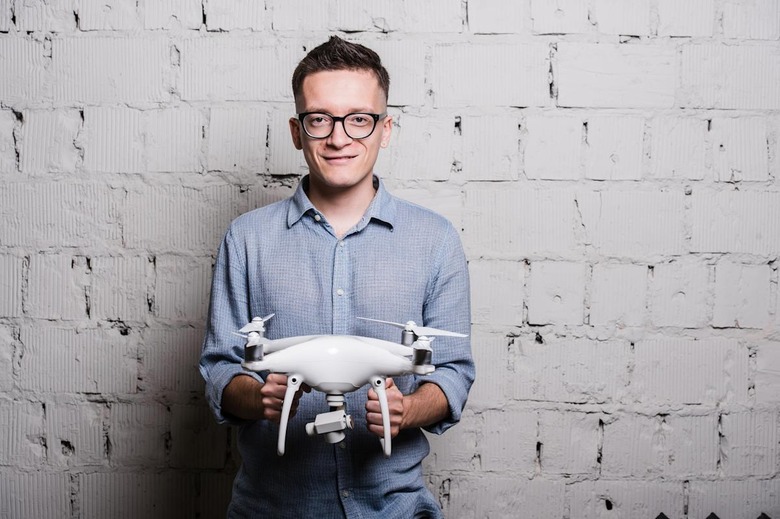
    Drones aren't anything less than a marvel of modern technology because of their superior flying capability and an extensive range of uses. From aspiring aerial videographers to construction site mappers, from a land surveyor to a wildlife tracker, many people are now finding new ways to get a job done or pursue their hobby thanks to drones. If you have decided to get in on the technological revolution and get a model for yourself, don't just pick the first item that catches your fancy. There are various factors you must take into consideration to buy a drone that would be well worthwhile your money. This guide will teach you all you need to know about drones and how you can get the best bang for your buck without spending a fortune. What exactly are drones all about? Unlike Unmanned Aerial Vehicles (UAV's), the term "drone" more often than not signifies remote-controlled, autonomously programmed aerial machines built for recreational uses. Drones already have a huge market in the United States as people from all walks of life are trying their hand at this new technology. Professional videographers are now using drone technology to get extreme aerial angles, engineers are using it to inspect construction sites, and wildlife enthusiasts are using drones to track animals in the wild. Regardless of the purpose, you want to purchase a drone; you can remain assured that it will change your life in more ways than one. Features to look for while buying a drone There are a variety of drones available on the market, but as a beginner, it is wise to choose a model that is easy to operate. Anything that flies is going to be hard to control at first, but by selecting a model with the following features, you'd be making sure things go relatively easy. 1. Type of drone: As a beginner, it would be better for you to buy a quadcopter. These devices come with an X or H square frame and are a popular choice among newbies thanks to their stability in flight. The four propellers back enough power to lift and carry 1-2 lbs and can maneuver quite easily even amidst wind speeds ranging from 10 to 15 mph. 2. Camera type: Since most people purchase drones to capture aerial shots, you'll find many different varieties of models that are equipped with resolutions ranging from paltry VGA to 4k resolution, which is the highest quality. Shaky and blurred footage are a drone enthusiast's worst nightmare, which is why you must buy a device that has a gimbal. A gimbal is essentially a mount that keeps the camera steady by using a gyroscope so that high winds and turbulence have very little effect on the footage quality. 3. Flight time: One of the greatest marks of a drone's quality is how long it can remain in the air. The flight time can make all the difference in the world when you really want to capture some breath-taking footage of the mountainside or track the king of the jungle in his own backyard. Choosing a drone with the greatest flight time and range even if it means going a bit beyond your budget can prove to be a worthy investment. Aim for a model that can remain in the air for at least 15-20 minutes. 4. Charging time: The time taken for your drone to charge may be important depending on what you're planning to do with the model. Ideally, everyone wants a drone that flies the longest and charges up the fastest and still comes with a reasonable price tag. Since you can't have them all, it's better to set your priorities straight and invest in a drone that charges up relatively quick and provides decent flight time. The Phantom 4 by DJI is about the best on the market if you want superior drone technology in a device which is also very newbie friendly. It has a maximum flight time of 28 minutes, a maximum control range of 3.1 miles (5 kilometers) and a maximum speed of 44mph (72kph), making it a great choice for beginners and experienced drone enthusiasts alike. DIY (do-it-yourself) vs. RTF (ready-to-fly)? Again, the choice of choosing between a DIY model and RTF entirely depends on the time you can or would want to devote. You don't have to essentially buy a drone if you have the time to build one yourself. Of course, you'll need to learn how to put together, calibrate and code some hardware pieces before the beauty is ready to fly. As you may have probably understood by now, a DIY model offers greater flexibility and usually costs less than their Ready-to-Fly counterparts.

    By David Corbin Read More
  • From prototype to Kickstarter to production

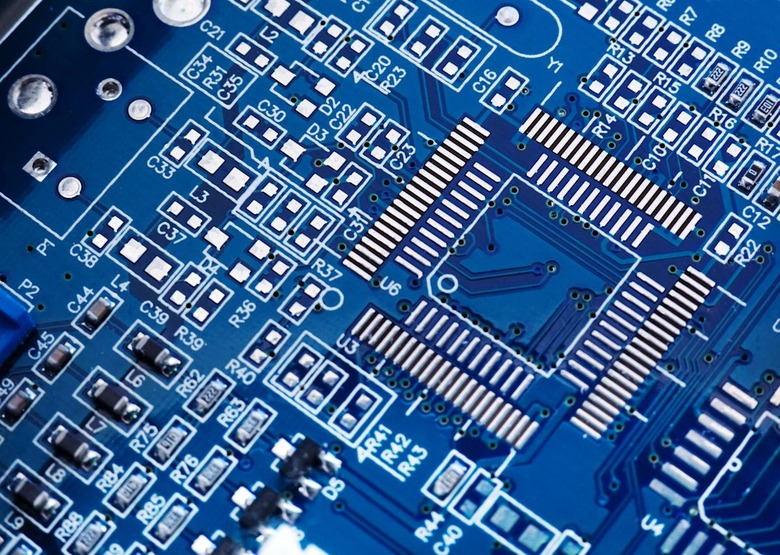
    Many PCB manufacturers refrain from launching their products on Kickstarter due to the complexities involved. The traditional PCB developers require a minimal order of a few thousand to start the prototyping process. The feasibilities of manufacturing work out only with bulk production as huge investments are involved. Therefore, the cost of developing few prototypes for a Kickstarter seems too high. Kickstarter product manufacturing Kickstarter is an excellent platform for launching creative, design, and technology products. A working prototype for PCB electronics is a major component of any Kickstarter project. In some cases, though, factors like large processing time, massive budgets, and complex manufacturing procedures, might enable a product to reach the Kickstarter platform. Cloud manufacturing is a boon for Kickstarter prototypes, especially for electronic products. Using this technology, the Kickstarter creator can upload his/her designs using online software and order the exact number of prototypes he/she requires. The manufacturer takes care of the production and shipping procedure. The quotes can be received immediately and the production process is speedy. The PCB prototyping can be easily done within the US, making the project more cost effective and quick. With more in-house production of PCB prototypes, the costs of production have also become competitive. A competent cloud manufacturer will provide timely services and install an online portal that showcases the progress of his work. The project creator can easily track the progress of his production. With Kickstarter manufacturing, the project creator does not have to take the manufacturing and inventory handling responsibilities. Some manufacturers even provide an API where customers can easily place their orders and the product gets immediately dispatched. This way the creator can easily concentrate on the design and innovation of his PCB electronic business. Cloud manufacturing for PCB electronics A Kickstarter creator requiring PCB electronics can upload the designs and get immediate quotes for their PCB products. This new league of cloud manufacturers accept the orders online and initiate the manufacturing process in a speedy and effective way. These manufacturers can combine small orders of creators and combine them with other bulk orders to reduce the production costs. And if the PCB campaign kicks off, these manufacturers can increase the production capacity immediately. Your PCB partner can provide a catalog of House Parts which comprises of common items that the vendors offer for optimum prices. This catalog reduces the search time and saves on costs. A PCB electronics partner will provide sophisticated assembly service of your components and package and ship them when an order is placed. The top-class PCB manufacturers have superior software with an integrated ERP system to make the customer experience and order processing a fluid procedure. The right PCB electronic manufacturer will not only produce your orders at a competitive price and short turnaround rates, they will ensure the consistency of quality. Some vendors offer various stages of PCB testing operations. The best in the industry offer a transparent tracking system. The creator can track the work progress, manage his accounting, judge the quality of his product, and track orders in real time. PCB prototyping For a Kickstarter campaign to reach its optimum goal, the role of a PCB service partner is crucial. The service provider should provide a seamless procedure of production, assembly, and shipping. As a project creator, once you receive the funds to start your project, the PCB partner's role should take over from there. Some manufacturers like MacroFab offer online rapid PCB prototyping where you can monitor the manufacturing processes in real-time. They integrate small orders with bulk volumes of production, thereby reducing costs considerably. With MacroFab, you can upload your design and other order requirements and get the quotes instantly. Their handy user-interface enables the creator to judge the advancements in production at every stage and can be updated about the advancements via email. You can ship your product parts to them and manage your inventory online. The storage is secure and warehouses are attached to the manufacturing units, thus reducing transit time and costs. They also provide multiple shipping options and provide the best deals from shipping carriers. It is best for Kickstarter project creators to choose a PCB electronics manufacturer which has an advanced API system. Ideally, it should be sophisticated enough to allow you to manage the prototyping process and integrate all aspects of resource planning, seamless production, monitoring and e-commerce systems. If you are launching a Kickstarter campaign for the first time and have never worked with PCB manufacturers before it is extremely efficient to choose one which has all of those technologies built into one platform.

    By David Corbin Read More