Larry Alton

Engadget Editorial Policies

The unique content on Engadget is a result of skilled collaboration between writers and editors with broad journalistic, academic, and practical expertise.

In pursuit of our mission to provide accurate and ethical coverage, the Engadget editorial team consistently fact-checks and reviews site content to provide readers with an informative, entertaining, and engaging experience. Click here for more information on our editorial process.

Stories By Larry Alton

  • 5 Tech Gadgets Music Lovers Will Die For

    For musicians who are serious about moving beyond the amateur label and into the world of professional music, there's a lot that goes into being successful. And while musical skill certainly plays a key role, there's more to being a professional musician than being able to play a sick solo. Sometimes, you need a little help. Try These 5 Tech Gadgets Want to know why most people aren't able to become successful musicians? Contrary to popular belief, it has very little to do with ability. Most people simply aren't willing to commit to learning or don't want to use the right aides. Furthermore, unsuccessful musicians tend to scoff at getting help from others and denounce learning/help aides that are otherwise seen as effective by others. If you want to be successful and take your musical talents to the next level, you need to use the right aides. That means checking out the following tech gadgets and tools and leveraging them. 1. Topspin For musicians who are creating music and trying to build a following, nothing is more powerful than the internet. And while social media platforms like Twitter, Facebook, Instagram, and Snapchat are important, you also need to use Topspin. This services lets you collect email addresses, engage followers, and even sell music and merchandise through your profile. Definitely consider using it if you're serious about expanding your online presence. 2. Pryma Headphones Few things are more important than the way in which you hear music. While there's something powerful about listening to music with a group of people, there are plenty of moments when you have to slip on a pair of headphones and listen on your own. In these moments, you'll find the Pryma headphones to be amazing. While they cost a whopping $500, Pryma headphones are handmade in Italy using leather, copper, stainless steel, and die-cast aluminum. They look great and sound even better. 3. AfterShokz Bluez 2s Headphones There are two potential issues with listening to music through traditional headphones. To start with, you may be wrecking your eardrums. While this still isn't a known scientific fact, there are plenty of studies that highlight the detrimental impact of in-ear headphones. Secondly, wearing headphones greatly reduces your situational awareness. This can be dangerous when driving, walking on a busy street, or doing any number of other things. The solution is the AfterShokz Blues 2s, headphones that don't actually go inside or over your ears. Instead, they rest on your cheeks and deliver music through the bones in your face. Pretty cool, huh? 4. Snark Super Tight All Instrument Tuner There are a lot of good tuners on the market. And while they all work pretty well when you're sitting in your bedroom and strumming to yourself, very few do an adequate job of properly tuning a guitar when you're on stage or in a loud environment. This Snark tuner is different. It tunes based on vibrations, which means it's accurate, even when other instruments are being played. 5. The Shredneck There are a lot of times when you want to practice guitar, but can't because you're in an environment where you don't have your guitar or can't easily pull it out. This is where the Shredneck is super valuable. It's a standalone tool that's essentially the neck of a guitar and lets you practice scales, pull-offs, hammer-ons, and picking patterns wherever you are. Use the Right Tools There's no magical recipe for becoming a successful musician. However, if you're willing to commit to learning, you'll do well for yourself. The aforementioned gadgets should help.

    By Larry Alton Read More
  • 5 Ways the Blockchain Is Going to Change Your Life

    If you haven't heard of the blockchain yet, get ready to hear it discussed with much greater frequency, especially as it begins to permeate various elements of your everyday life. Most people refer to the blockchain in conjunction with Bitcoin, as it's the technology that made this world's first "crypto currency" possible, but there are much more sophisticated and relevant ways that blockchain technology is starting to shape our world. The Basics of Blockchain So what is the blockchain, anyway? The real technology driving blockchain is pretty complicated, but the high-level concept is simple. Today, most transactions are tracked using some kind of ledger; a consumer might keep track of his/her purchases in a budget spreadsheet, while a company might have a more complicated general ledger to track expenses. The blockchain relies on an entire community of synchronized ledgers, operating on different individual devices, to publicly record transactions. These separate ledgers use consensus processes to note any discrepancies, dynamically generated cryptographic hashes to detect fraudulent adjustments, and digital signatures to protect user identities. The Benefits So why is a series of public ledgers, working together, better than the old-fashioned method of recording transactions? Tamper-proof recording. Today's economy is largely digital, with hundreds of ways to make money online available to anyone with an internet connection. Billions of dollars are exchanged on a daily basis, so it's more important than ever to protect users against fraudulent activity. Built-in handling of complaints or disagreements. If two ledgers don't agree with each other, they can look to other ledgers in the blockchain to resolve a dispute. Because of this, any issues with a transaction can be quickly and automatically resolved. Public nature. Don't let the name "public" fool you; cryptographic hashes still keep the nature of your transactions private in the blockchain. However, all recordings are publicly available in the sense that other ledger copies can view each other's activities, ensuring greater honesty and accuracy. Decentralization. It's also worth noting that there's an advantage in decentralizing ledger-keeping processes; by some estimates, banks could save up to $12 billion per year with this technology. Upcoming Applications That all sounds neat, but how is the blockchain actually going to change your life? There are actually a variety of different applications that exist for blockchain technology: 1. Crypto currencies galore. It's unlikely that there will be a flood of different digital currencies that enter the market, since user valuation is so important to crypto currencies' survival, but it's equally unlikely that Bitcoin will remain the world's only digital currency. Expect crypto currencies to expand and become more commonly accepted throughout the world. 2. Safer financial transactions. You can also count on most of your financial transactions being safer, once blockchain is further integrated into our current financial systems. Blockchain protects other users from spying on your transactions and simultaneously prevents any possibilities of fraudulent tampering. 3. Better file storage. Blockchain isn't just for financial transactions, either. Many companies are experimenting with different potential uses for these mutually accessible, digital ledgers, including file storage. Think of an application like Dropbox, but with better encryption and almost zero risk of tampering. 4. Voting. If there's any area as important to protect from tampering as individual financial transactions, it's voting. You may not think of voting as a transaction-based process, but it can be reduced to that functionality. Considering the allegations of voter fraud that arise every election cycle (and the embarrassingly underdeveloped forms of voting technology that exist in the polls), it's time we instate something with better security standards. 5. Identity management and protection. Finally, blockchain could be used to protect your digital identity in a number of different ways, not limited to financial transactions. For example, you could keep your social media information safer, or exchange encrypted messages with your friends and family members without worrying about it being compromised. Any sources of tampering or listening could feasibly be traced back to their source. It's important to remember that despite its potential upsides and current applications, blockchain technology is still in its infancy. It has room to grow and evolve, and it will probably be several years before enough of the population is on board to make blockchain transactions the norm. Still, it pays to be on the cutting edge, so watch for new blockchain developments and ride the wave early.

    By Larry Alton Read More
  • Does Technology Aid or Hinder Productivity?

    Productivity is something that humans have used to define success for centuries. If output is high, a person is considered to be successful and hard working. If output is low, they're labeled as poor and lazy. Thus, it makes sense that our society would place a major emphasis on improving productivity. While the intersection of technology and productivity is a natural one, it isn't always as it seems. Have you ever considered whether technology aids or hinders productivity? It's an intriguing topic with arguments to be made on both sides. How Technology Aids Productivity When you look at many new technologies hitting the consumer marketplace, the vast majority make claims about improving some aspect of the customer's life. In many cases, the improvement is related to saving time or improving output. Often, the claim is true. Let's consider the example of a large workplace. Studies show that musculoskeletal disorders are the single biggest cause of lost workdays in the entire United States, accounting for roughly 29 percent of all illnesses and injuries leading to missed time. Now, consider that simple improvements to office ergonomics have been shown to reduce absenteeism. This is an instance in which advancements in ergonomic technology, such as standing desks, can aid productivity. Another area in which technology aids productivity comes in the form of remote communication tools. "Collaboration is essential to business, but employees don't have to be in adjoining cubicles to achieve it," content marketer Cora Cloud says. "With the abundance of free applications like Google's cloud-based suite of products, staff members working from remote locations can collaborate and share documents easily." It's important that we remember the positive impact technology has when discussing this topic. These are just two examples of ways that technology can increase productivity in the workplace, but dozens more exist. How Technology Hinders Productivity Technology certainly isn't without its flaws, though. Even when tools and devices are trying to improve output or streamline some complicated process, they can actually have the opposite effect. This is often the case when employees have to deal with smartphones, tablets, and laptops that are constantly dinging and barking with notifications from different programs. "The distracting pull of digital devices and the detrimental effect that has on our ability to concentrate is well documented," expert Emma De Vita says. "In one Stanford University study, people who regularly attend to electronic alerts and messages do not pay attention, control their memory or switch from one job to another as well as those who concentrate on doing one thing at a time." This is something the majority of us can relate to. If you've ever tried to get a task done while in the middle of an SMS conversation with a friend and your phone keeps dinging, you know just how hard it is to ignore the messages. This is just one case where technology hinders productivity on a regular basis. As well intentioned as an individual piece of technology may be, we are human and can't easily overcome our own weaknesses. Finding the Appropriate Balance It's not as simple as saying technology aids or hinders productivity. The question we really need to be asking is this: How can we better maximize technology in ways that promote productivity and eliminate distractions? In other words, our pursuit should be focused on finding the appropriate balance. This sounds simple enough, but it's actually a rather significant challenge. In the coming years, it'll be up to entrepreneurs, inventors, and developers to create technology that seamlessly fits into our existing lifestyle. By making technology feel natural, there's less of a chance that it will be distracting and a greater chance that it will stoke higher output and efficiency.

    By Larry Alton Read More
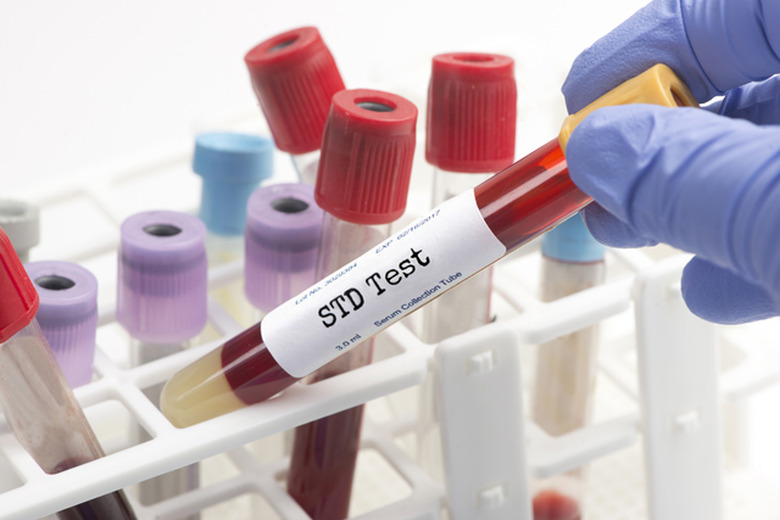
  • STD Testing Technology is a Thing

    While STDs and HIV may not get as much discussion as they did a couple of decades ago, the incident rates are actually on the rise. And sexual partners aren't the only ones taking notice – so are tech companies who have a goal of making STD testing easier and more convenient. Four STD Technologies to Keep an Eye On In 2015, the combined rates of chlamydia, gonorrhea, and syphilis reached the highest reported number of cases ever. Even more depressing is the fact that 15 to 24-year-olds account for two-thirds of all chlamydia diagnoses and half of all gonorrhea cases. In other words, something needs to be done to educate and prevent the rapid rise in these cases. STDs probably aren't something you talk about a lot in public, but there's certainly no reason to shy away from the subject. The more conversation the better, especially when it comes to prevention and detection. Here are some new technologies leading the way. 1. Color-Changing Condoms What if a condom could actually change colors when being used if an STD were detected? This is something three London-based teenagers are looking into. How would it work? It's based on a common testing method that's already used in healthcare facilities around the world; enzyme-linked immunosorbent assay. These are the color-change strips that detect things like HIV and herpes. While the technology isn't currently feasible right now – they have to make sure the integrity of the condom itself isn't compromised – it's something that could be further developed down the road. 2. Flexible and Private Testing Testing for STDs is very important, but it hasn't always been easy. Who wants to call up their primary care doctor and ask for an STD screening? However, thanks to new business models and changing protocols, there are more convenient options for individuals to order free STD tests. A quick online search is all it takes to find private and discreet services that let you schedule appointments anonymously or even test from home. This removes some of the friction between patients and providers and increases the likelihood that people will get tested. 3. DNA Technology DNA, it seems, has the answers to all of life's mysteries. The latest advancements in this area have transformed Nucleic Acid Amplification Tests (NAATs) by giving them the ability to detect specific components of DNA. "NAAT tests directly identify the genetic material of a virus or an infecting organism, meaning they are extremely accurate markers for disease," expert Pieter Haas explains. "Initially, the test was only used to detect Chlamydia and Gonorrhea. Today, NAAT testing is being used to detect many more STIs such as HPV (human papillomavirus), HIV, herpes simplex virus, ureaplasma, trichomoniasis, chancroid, mycoplasma, and donovanosis." 4. Mobile Apps There's an app for that! In early 2016, new healthcare company Mately announced that it would be building a subscription-based digital STD testing platform that would allow members to mail in a blood or urine test and get results back via a mobile app. Since increases in STD incident rates have been correlated to the increased popularity of dating apps, members will be able to display a badge on their profile that says they've been tested. It doesn't divulge information but provides a good starting point for further conversation. It Takes More Than Good Technology Ultimately, safe sex requires more than new tools and technology. It requires careful and responsible actions by everyone involved. However, it is good to know that there's innovation happening in an area that needs more attention. It'll be interesting to see how these technologies grow over the years and what kind of positive changes are produced.

    By Larry Alton Read More
  • 5 Ways to Justify Buying the New MacBook Pro

    Have you seen the ads for the new MacBook Pro? They're pretty incredible and will make you want to trade out your current computer as quickly as possible. The coolest looking feature is the new Touch Bar, which replaces the old function keys and allows for seemingly endless customization and functionality. But with a price tag starting at $1,799 and going all the way up to $2,799, most people will have trouble forking over the cash. Five Ways to Justify the Purchase While you may not need the new MacBook Pro, you definitely want one. But how can you possibly justify the purchase? Here are a few tips and ideas that will make you a smarter customer. 1. Know When to Buy Patience is a virtue when it comes to buying a new MacBook. Knowing when to buy can mean the difference between paying full price and saving a few hundred dollars. With that being said, one of the best resources on the internet is the MacRumors Buyer's Guide. This page provides a detailed product summary for every Apple model and provides recommendations regarding when to purchase based on a number of factors. These factors include the number of days since the last release, rumors about new product releases, and potential sales. 2. Don't Purchase from the Apple Store Unless you have a reason to purchase directly from the Apple Store (or the online store) – such as a college student discount – you're probably better off shopping with one of the company's authorized retailers. For example, Amazon tends to offer MacBooks for $50-$100 less than the Apple Store or Best Buy. 3. Live Below Your Means for a Few of Months One of the smartest pieces of money advice – regardless of whether you're trying to buy a new MacBook Pro or save for retirement – is to live below your means. If you spend time reviewing your budget and removing non-essential monthly expenses, you should be able to stash away an extra couple hundred dollars per month. Do this for three or four months and you'll have a big chunk of change set aside to justify spending on something you'll use – like the new MacBook Pro. 4. Purchase a Refurbished Mac If you can wait a few months, you may find that the greatest savings are available when you're able to purchase a refurbished MacBook Pro. Typically, Apple sells refurbished products for 15-20 percent less than the normal price. Assuming this holds true, the entry level MacBook Pro with Touch Bar would likely be discounted from $1799 to between $1439 and $1529. While you aren't getting a brand new device, they are tested and guaranteed by Apple to work just as well. 5. Give it Time The last piece of advice is to give it time. While you may have the money to go out and purchase the new MacBook Pro right now, conventional wisdom says that it's best to wait two or three months. Over this time, reviews will begin to accumulate and a clearer picture will be painted as to whether it's worth the investment. This buffer also gives you time to make sure you aren't making a purchase solely based on emotions. Make a Smart Choice At the end of the day, remember the difference between a need and a want. Not to sound like your mother, but the new MacBook pro falls into the latter category. You could always purchase an older version at a steeply discounted price, so you don't technically need the new one. However, who wouldn't want one? Keep these tips and pointers in mind as you attempt to justify the purchase.

    By Larry Alton Read More
  • Virtual Reality May Be Upgrades to... Contact Lenses?

    Though it's still too early to get a pulse on user adoption, it's no secret that virtual reality is on a sharp upward trajectory, in terms of technological capabilities, company development, and user interest. Oculus Rift is emerging as the brand to beat in the industry, with competition from major gaming platforms (like PlayStation and Xbox) as well as other tech companies trying to keep up with anticipated growth in user demand. Other platforms, like Facebook, are actively trying to shape new integrated functions and features that play off of VR's advantages, mutually facilitating the growth of a world connected by virtual reality devices. Accordingly, many marketers, techies, and consumers have attempted to predict the future course for VR technology, most of them focused on external wearable devices like goggles and glasses, but the future may be even closer than that. Sony's New Patent Sony was recently awarded a patent for a type of contact lens that can actively record whatever you see. Though intuitively, you might think of this functioning as a kind of constant live-stream feed, like Periscope or Meerkat, it can also be used to selectively capture images and video. Tiny sensors in the lens will be developed to discern the difference between voluntary and involuntary blinking patterns, essentially allowing the wearers to actively control when and how images are captured. To make things even more interesting, specialized piezoelectric mechanisms would capture movements of the eye and convert them into electricity, allowing basic eye movements to power the lens directly. This technology hasn't yet been developed, and will likely take a long course of research and experimentation before it makes its way into the hands—and eyes—of consumers. However, this outline could prove an interesting model, especially when combined with some of the other contact lens-based technologies rumored to be in development. Other Contact Lens Technologies Sony isn't the only company looking to develop some kind of contact lens-based camera. In fact, Google announced some level of development for a contact lens camera not long after they pulled the final plug on Google Glass back in 2014. Google owns a patent for a similar, yet distinct type of contact lens similarly controlled by manual blinking. In addition, some companies are pursuing "smart" contact lenses, whose focus and range can adjust automatically or based on inputs from the user. In these cases, contact lenses could adapt dynamically to a number of different situations, helping users change from near vision to distance vision, and possibly even providing a telescoping effect. Perhaps most interesting is the forays Google and other companies are making into contact lenses capable of projecting a kind of heads-up display (HUD) to modify the physical world. This would be a type of augmented reality, rather than wholly virtual reality, but the jump from one to the other is a somewhat miniscule one. Samsung and other technology companies have gotten on board with this concept, entering these ideas into development while consumers are chasing down the latest gargantuan headset to put over their eyes. Timelines and Future It's hard to say exactly how smart contact lenses will develop, since so many companies are developing them from so many different angles, but it's almost certain that contact lenses will represent the future of how we engage with our world. It may start with higher forms of vision improvement, augmented reality, virtual reality, or some dynamic blend of the three, but in any case, consumers will likely start seeing the world in new ways within the next three years—maybe even sooner as the competition motivates the timelines of these major companies.

    By Larry Alton Read More