

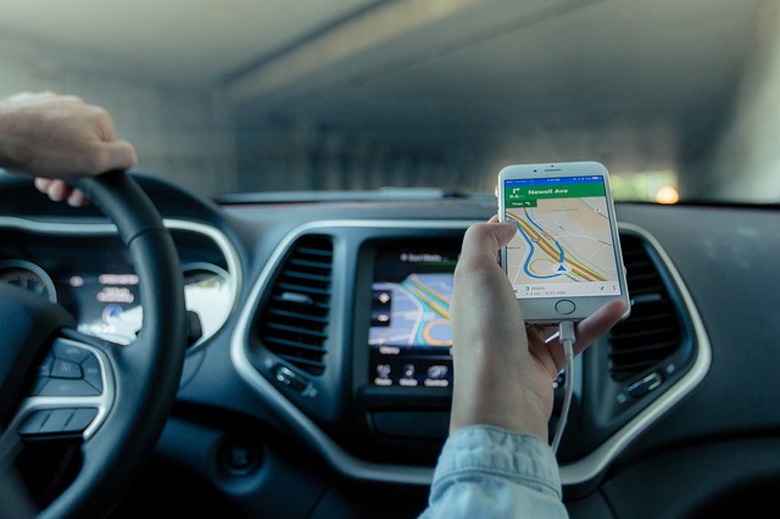
5 Unexpected Times You're Being Tracked by GPS
GPS is woven so deeply into the fabric of our lives that it can be hard to remember the time before it was embedded into every device we own. Even though it's become the norm, you might be surprised to find out just how often you're being tracked by GPS on different devices. If this is unsettling to you, you're far from alone—many people are starting to have privacy concerns about location-based apps and software. The good news is that this information isn't typically used for nefarious purposes—it's simply a way for companies to optimize business decisions and collect relevant data. Let's take a look at 5 specific (and unexpected) times you're being tracked by GPS. 1. Using an Android Phone with Google Play For all Android users, Google uses their Google Play app store for other purposes as well—GPS tracking. Recently, news came out that Google's Play service uses GPS tracking extensively—so much so that your phone could be tracked even with location services disabled. The only way to prevent this is to disable Google Play, which most Android owners use frequently to get new apps. Why would it need this information? Collecting data about where users are when they download apps is hugely valuable for Google—and data is a hot commodity these days. 2. Banking with Apps Banks may just be a necessary way we manage our money these days, but we've embraced having financial access anywhere—smartphone apps for banks are very popular. It's important to remember, however, that banks are a big business—and they have their own goals and motivations for creating and maintaining apps. Sure, giving customers the convenience of a banking app is one motivation, but banks also find it valuable in providing a free mobile app: location data. By using these services, banks can track users' locations and offer location-based offers that are relevant and increase engagement with the bank's services. In the banking industry, competition is high, and customers often switch banks when they're dissatisfied. Mobile banking offers are just one way for banks to help stay in contact and retain clients. 3. In-Dash Car GPS Obviously, if you're using a GPS in your car, then you're aware of tracking your location. But have you thought about the role of integrated car displays and GPS? Due to the fact that these displays are anchored to a specific vehicle and often integrated with a Wi-Fi Internet connection, vehicles can easily be tracked through their onboard GPS. 4. Sending Messages on Facebook Messenger Did you know that if you didn't change your Facebook messenger settings when you downloaded the app, you are sending your location to everyone you message? This location tracking is so precise that it gives your exact latitude and longitude down to the meter. This function can be turned off via your settings, but is enabled by default—and the other person doesn't even have to be friends with you to see it. 5. Apps Track Locations Every 3 Minutes There are a host of apps on our smartphones that are tracking our locations, as often as every three minutes, according to the Wall Street Journal. Citing a study from Carnegie Mellon, the data showed that users' apps accessed location details an average of 6200 times over a two week period (about once every 3 minutes). While the permission to access location data is in the fine print of apps' terms and conditions agreement, many users are unaware of just how often this data is requested and accessed. Though it seems strange that some apps would request such a large amount of application data, it is most often being used to inform business decisions, not to track anyone. iPhone users have location-based apps as well—but these agreements are based on a per-app basis. Benefits to Businesses, Benefits to Consumers Privacy and security are hot-button issues of GPS tracking and location data. However, businesses who track locations via apps are typically only interested in tailoring location-based and personalized offers—increasing relevant pitches to customers to improve engagement and their bottom line. For those who can look past the unease of sharing constant location data, the benefits can be mutual for businesses and consumers, allowing easier access to find exactly what customers looking for.
Read More