Tomas Revesz

Engadget Editorial Policies

The unique content on Engadget is a result of skilled collaboration between writers and editors with broad journalistic, academic, and practical expertise.

In pursuit of our mission to provide accurate and ethical coverage, the Engadget editorial team consistently fact-checks and reviews site content to provide readers with an informative, entertaining, and engaging experience. Click here for more information on our editorial process.

Stories By Tomas Revesz

  • 3 Ways Holiday Travel Will Change with Self-Driving Cars

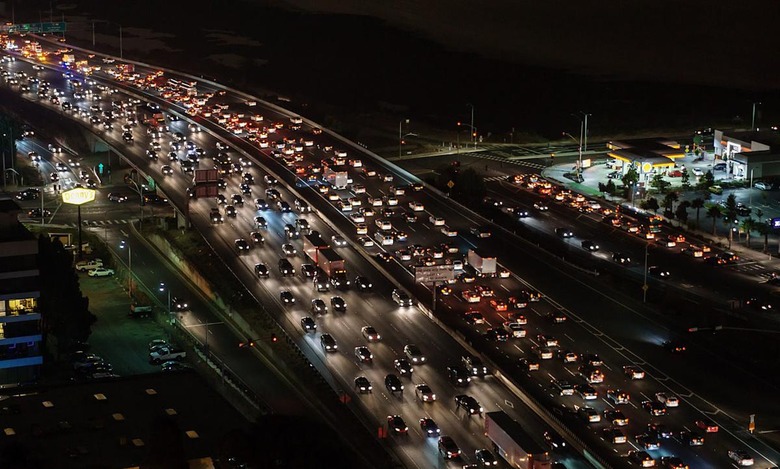
    Self-driving cars are not yet available, but the technology is advancing and we're only decades away from humanless highways. With the holiday season upon us, let's consider the benefits autonomous vehicles will offer to holiday travel once they are widely available. Maybe you regard the holidays with pure joy—an abundance of gatherings, reunions with friends and family, delicious food and thoughtful presents—but for those who stress over the mishaps and travel disasters, self-driving cars will help alleviate some of your holiday woes. Autonomous vehicles are set to improve, challenge and innovate the way we travel. Here are 3 ways holiday travel will be altered once the technology arrives. Reduced holiday traffic and more efficient trips The nightmare of holiday traffic is, unfortunately, all too real. Average Americans waste 42 hours in traffic each year, and quite a few of those hours are likely accumulated during the busiest days on the road. The week of Thanksgiving, Christmas and New Year's are considered to be some of the most popular travel days of the year, with more than 90 percent of holiday travelers driving to their destinations by car. This year, the number of travelers will likely top 100 million if last year's statistics are any indication. Perhaps, the most exciting perk of self-driving cars around the holidays will be the way they'll reduce, if not fully eliminate, holiday traffic. Instead of sitting bumper to bumper on congested highways, self-driving vehicles will be able to travel quickly. Not only will they be able to drive closer to the cars in front of them and at faster speeds, but they'll be able to operate in narrower lanes than what is currently needed for error-prone humans. This will increase the number of cars that can travel on the roads and allow for additional lanes and infrastructure to accommodate them. Self-driving cars may even help you plan ahead for increased efficiency. Once the vehicle knows your destination—perhaps, you inputted the trip on your cellphone's calendar—it may suggest a different route based on the expected volume of vehicles on the road. The car could recommend that you leave a day earlier than planned to in order to avoid any traffic or undesirable weather. Today, that notion may pose a problem, but it will be less of an issue when you can travel and work remotely from the car's wifi. Additionally, if the autonomous vehicle suggests leaving overnight at 3 am for the fastest possible trip, you may happily accept the advice. You and your family will all be passengers and you'll be able to sleep in the car, travel safely and wake up at your destination. The increased efficiency of automated vehicles will also allow you to spend more quality time at your travel destination and create more free time for you in the vehicle. You can use it to wrap those last-minute presents or to finish up work assignments before vacation. Reduced flight and train travel Many people choose to fly over driving long hours to visit family during the holidays. The reasoning is that a flight is often faster, even when you're forced to deal with long security lines, airport congestion and frustrating delays. However, self-driving cars could be a game changer and airline travel may become less desirable as the new technology is adopted. With faster trip durations, less traffic and more free time, more people will use self-driving cars for holiday travel. Why pay more for an expensive flight when you can get to your destination comfortably in a self-driving car? With autonomous vehicles, the cost of travel will likely decrease and more people may choose to forgo flights or train trips for a cheaper ride. While the cars may have a higher selling price at first—estimated to be $7,000 to $10,000 more than an average vehicle in 2025—the cost is expected to go down over time as their use becomes more widespread. Automated cars also allow for point-to-point transportation. There's no need to travel to a bus or train station if you can be picked up right at your current location. Furthermore, even if you don't own a self-driving car in the future, you'll still be able to use one for holiday travel. Shared mobility is expected to grow in popularity as vehicle ownership decreases. You'll be able to pay per trip or rent an autonomous car. Conventional transit may also adapt and become automated which will offer you more price tier options. With more automated travel, there will be no need to pack light, deal with delays or worry about whether your bottles are under 3 ounces. You can thank driverless cars for that. Fewer accidents and traffic deaths Last year the National Safety Council estimated a total of 307 deaths during the Christmas holiday period and 346 fatalities during the New Year's holiday period. That's not even counting the number of deaths or accidents that occur during the rest of December. Why is the amount so high? The jump is mostly due to an increase in drunk driving at this time of year. During the Christmas and New Year's holidays, 40% of traffic fatalities involve a driver who is impaired by alcohol and 2 to 3 times more people die in alcohol-related crashes. The good news is that self-driving cars can change these statistics for the better. They are expected to decrease accidents by 90% and that could lead to 300,000 saved lives each decade. After holiday festivities, friends and family members will no longer have to drive themselves home. They can use self-driving vehicles and avoid putting anyone else on the road at risk. Furthermore, Mom and Dad can rest assured knowing that their kids will arrive home safely after any New Year's celebrations. And it's not only drunk driving collisions that will decrease. There will be less overall accidents during the chaotic holiday season: no stress-induced crashes by rushing parents who are still thinking about what presents and baking goods are left to buy. There will be no more fender benders in grocery store or mall parking lots—cars will park themselves—and no more distracted or drowsy driving mistakes—go ahead and take a nap in the backseat. Lower collisions during the winter season will also mean that insurance companies won't be forced to hike their rates after a season of slippery, snowy accidents. There will be fewer accidents overall, and that will save money and time for both providers and consumers. Traveling during the holidays will be much more enjoyable once autonomous vehicles arrive— less stress, increased safety and more free time. The future of travel is coming and it sure is exciting. Now, if only we could have the technology for this year's holiday season. Tomas Revesz is CTO and Co-Founder of EverQuote, the largest online auto insurance marketplace in the U.S.

    By Tomas Revesz Read More
  • The Confused State of Distracted Driving

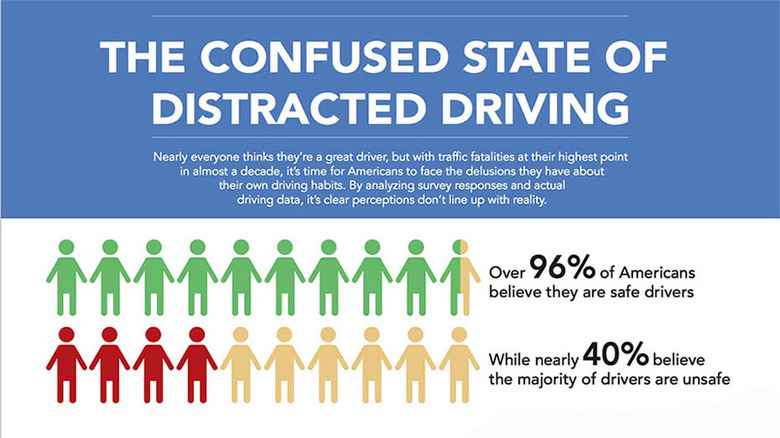
    As we consider New Jersey's recently proposed bill and New York's potential Textalyzer, it's clear that everyone is trying to find a solution to the distracted driving epidemic. New Jersey's bill could become the harshest distracted driving law yet—leaving prohibited behavior open to interpretation as anything "unrelated to the operation of the vehicle, in a manner that interferes with the safe operation of the vehicle." Coffee, eating a granola bar, adjusting the radio volume? That all may be illegal. Earlier this year, New York also shocked with their proposed textalyzer that would allow authorities to test for phone use behind the wheel, similar to how they test drivers for alcohol with a breathalyzer. A recent national online survey, provides insight into this epidemic and as it turns out, drivers may have some misperceptions about their driving habits, particularly in regards to their use of technology behind the wheel. While it is up for debate on whether these laws truly help curb distracted driving, the truth is that inattention behind the wheel has become a widespread problem and states, local governments and drivers are all struggling to find an effective way to end unsafe behavior on the road. The recent study, fielded by EverQuote, surveyed 2,300 licensed American drivers and found interesting information about drivers' habits and the confused state of distracted driving. About 96% of Americans believe they are safe drivers, yet over half of all driving time is spent speeding at least 10 mph over the legal limit. Nearly 40% don't believe the majority of drivers on the road are safe. As far as autonomous technology goes, it appears that Google, Tesla, Ford and other creators of self-driving cars have a long way to go in convincing Americans. Even though self-driving car technology is expected to reduce crashes by 90%, about 81% of drivers would feel safer driving themselves. The benefits of self-driving cars will need to be proven to them in the future years before the technology will be widely accepted on the roadways. While American drivers seem to overestimate the potential dangers of autonomous car technology, they seem to underestimate the danger of using their phones behind the wheel. As if their time spent speeding wasn't scary enough, drivers are on their phones for .4 miles for every 11 miles driven. That equals out to 114 billion distracted driving miles per year—4.5 million trips around the world without looking up from the phone. Additionally, drivers are also unaware of just how often they use their phones behind the wheel. While 56% of drivers admit to using their phone while driving in the last 30 days, 96% actually do, according to EverDrive data. Only 52% would allow a mobile app to prevent their phone use behind the wheel. Do drivers not understand the dangers of distracted driving? Or do they know them and choose to use their phones anyways? Interestingly enough, the majority of drivers (61%) don't think their state does enough to stop distracted driving, even though 55% of those same drivers admit to phone use in the past month, and 12% admit to it on most or all drives. Apparently, drivers believe there should be stricter laws because they aren't so great at policing themselves. Perhaps, that means New Jersey and New York have the go-ahead for more legislation to end distracted driving. Drivers today are in a confused state of distracted driving. They want their state to do more and they see other drivers as unsafe, but they don't seem to be honest with themselves about their own dangerous driving habits. Can technology help solve this epidemic even as it remains part of the problem? Let's hope so. Over half of American drivers would be willing to allow a mobile app to prevent their phone use behind the wheel, and if they feel their state does not do enough, perhaps technology can play a role by doing more. With safe-driving apps and car tech, it's time to change this state of confused driving. View the full infographic below, and read more about the study here.

    By Tomas Revesz Read More
  • Pokémon Go Is a Nightmare for Driving

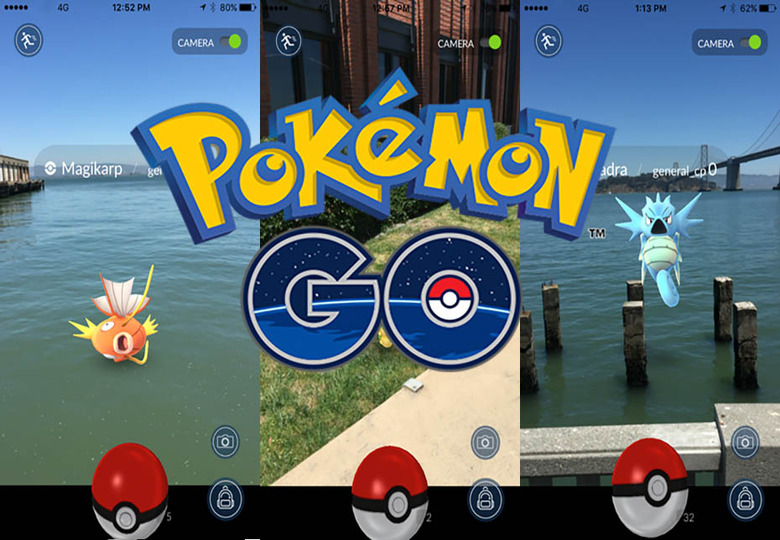
    As if drivers on the road needed another distraction. With social media, texting and calling, it's hard enough to get drivers to #JustDrive. Motorists are already caught reading books on the road, rear-ending cars while eating sandwiches and now—they're catching Pokémon characters behind the wheel. Pokémon Go, the latest app from the longstanding franchise, was released July 6 and has since taken the entire country by storm. The mobile app is not just for children—adults who grew up with the characters or developed a newfound interest are obsessed with the augmented reality world. Companies have reminded employees that they are paid to work, not catch Pokémon, and one police station has asked users to stop lurking behind the station after dark to catch characters in a PokéGym. Yet the hazards go further than low productivity and additional police watch; the fun, seemingly harmless app is a nightmare for driving. Think about it. It's common sense. Using an augmented reality app while driving cannot lead to anything good. Augmented Reality Is a Nightmare for Roads: Car crashes involving drivers playing the app have already started, with one Texas motorist illegally parking to jump out at a Pokéstop, and a 28-year-old man crashing his younger brother's car into a tree to catch Lapras. Don't forget about the Reddit posts that start with titles like "What I learned playing Pokemon Go for 4 straight hours while driving through towns" — just plain scary. New York has now issued warnings for drivers to not use the app on the road, and the Metropolitan Transportation Authority has reminded passengers to stay behind the yellow line, dare they move to catch a Pokémon and fall into the tracks. Other states have also followed suit with their own reminders, and the Pokémon Go News Twitter has asked users to be safe after receiving tweets from people playing as they drive. The epidemic is real and it needs to stop now. The roads do not need drivers chasing invented characters in a fake reality when there are real lives and real people at risk. Distracted driving kills over 8 people and injures over 1,160 each day—it's responsible for at least 16% of all reported crashes. Are drivers truly fine with that number rising? Who really thinks catching Squirtle is worth a life? Please, keep your Pokémon Go to walking adventures. Just don't end up in a ditch, get robbed, find a dead body, walk into walls or cross the road without looking up. Virtual and augmented reality may make for "cool tech" but it will be a challenging barrier in the fight to end distracted driving. Let's start fixing the issue now, before the epidemic gets worse. Put the phone down, check your skills and just drive. If you really don't want to walk, ridesharing app Fasten is now offering $5 rides for Pokémon Go players in Boston this upcoming weekend. Other players have been cheating the walking game by attaching their phones to drones and to their pets. Tips for Responsible Pokémon Go-ing: WALK. Don't drive, bike, run, skateboard or take part in any other activity. LOOK UP to avoid walking into traffic, hitting telephone poles or knocking over small children. BE AWARE of your surroundings. STOP and take a minute to recognize the present moment. Virtual reality sure is cool, but reality's awesome too. Don't skip watching a gorgeous sunset just to chase a Pikachu down the beach. Photo Credit: Pokemon Go

    By Tomas Revesz Read More
  • 5 Road Trip Apps for Ultimate Summer Drives

    Summer is flying by at full speed. The Fourth of July has passed but don't worry, Labor Day is still in the distant future. Enjoy the sun and savor the dog days of summer before the season is over. With the least expensive gas prices in nearly a decade, now's the time to hit the road. Roll the windows down, put some tunes on, and drive away to a new destination. Road trips are the perfect vacation that can be adjusted to any budget or length of time. So, what are you waiting for? These 5 tech apps will take you on awesome summer drives. Remember, it's not about where you go, but how you get there (and who you're with). 1. The Ultimate Drive Regardless of where you're going, The Ultimate Drive app will show you the most scenic route. Skip the traffic and enjoy nature. With route recommendations in over 160 countries, you can find the drive you're looking for no matter the location. Get advice from local drivers with tips and advice for favorite roads, day trips and longer drives. 2. Roadside America This app is all about the laughs and the oddities. Roadside America shows you amusing attractions near your location. Catch oddball sights of the country and view crazy wonders. Check out the tourist spots or avoid them all together. This app may have a different view of "scenic" but if you're looking for an unusual journey, it may be the perfect trip buddy for you. 3. Road Trip Planner Use this app to plan the perfect road trip. It works as a complete trip itinerary so you can input all of your trip details in one place. Sync up weather reports, include activities and view driving distance, fuel cost and directions. You can also upload the map to your GPS for easy access to directions and keep track of important information (contacts, check-in times, confirmation numbers) for each destination so that you can focus on what matters—having fun. 4. Triposo The Triposo app will help you out even in the boonies. The app looks through reviews and websites and then delivers you recommendations for sights and activities. The best part? The app works offline so even if you're in a rural area without service, you can still view maps, access routing and discover highlights. You can even book activities through the app and share walk routes when it's time to stretch your legs and get out of the car. 5. Roadtrippers Pro travel tip: The shortest and fastest route isn't always the best. With Roadtrippers, you can find historic markers and scenic points along your journey anywhere in the United States. Find hidden treasures you may not have stumbled upon, and share your own favorite places with friends. Roadside attractions may include quirky restaurants, best hotels, outdoor must-sees and national parks. Be sure to read fellow Roadtripper reviews for advice and suggestions on where to explore. Now go start your road trip journey! Don't miss out on the opportunity to find a new favorite vacation spot. Just be sure to stay safe out there. If you're worried about how careful of a driver you are on the road, use a safe-driving app to check your skills. With less than 80 days of summer left, it's time to take advantage of the long days with new tech. Enjoy the sun, experiences and new memories. Photo Credit: Wikipedia

    By Tomas Revesz Read More
  • Casinos Will Win with Self-Driving Cars

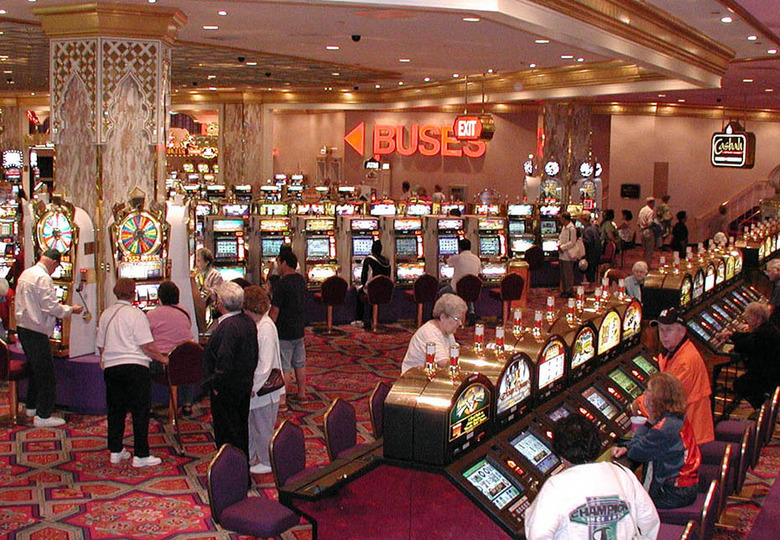
    There's a lot of talk about driverless cars these days. When will they hit the roads? Will drivers dare try them? Has the last person to ever receive a driver's license already been born? A world with self-driving cars is exciting, and the future possibilities are pretty mind-blowing—little to no traffic, a drastic decrease in accidents and more free time for users. We hear a lot about the millions of jobs that will be lost with this new technology, but what about the jobs that will be gained? Sure, the taxis and insurance industry might hurt a bit, but casinos will win. Think about it. There are 76.4 million baby boomers in the United States, and each day, nearly 10,000 of them retire. Give driverless cars a decade or so to become the norm, and all baby boomers will be 65 to 83 years old. Where do you think they'll want to go? It's all about the entertainment, baby. With 2.5 trillion hours of leisure time to fill over the next twenty years, seniors want to have some fun. Driverless cars will take them there. The Entertainment Industry Will Thrive Leisure only increases in the retirement years. While every generation is different, retirees don't necessarily want to sit at home anymore. Instead, 95% of seniors would rather have enjoyable experiences than buy more things. Casinos The casinos better be ready for these self-driving cars. Baby boomers are already casino goers and that's unlikely to change as they age. Gambling is the most frequently identified social activity for those over the age of 65. The slot machines and poker tables already appeal to seniors with rewards programs and amenities like scooters, wheelchairs and waitstaff, but driverless cars will help this industry grow. Baby boomers will be able to travel to casinos whenever they wish. No more bus rides or group trips. Just the glow of the slot machine whenever they want it. Restaurants Say seniors currently enjoy eating out once a week. If they don't have to drive themselves anywhere, they just might enjoy going out twice as often. Plus the car will always drop them off right in front of the door. We picture a vast influx of chains popping up all over the country—restaurants designed with the elderly in mind. With comfy chairs, TV screens and menus specific to dietary needs, dining out may just become a social experience that baby boomers want to enjoy more. Theaters Comfortable theaters without steps to climb and staff that pays attention to seniors' needs will make theaters a more frequented destination for baby boomers and their self-driving cars. Theaters are the perfect destination for retirees who want to have social outings to see a movie or play with friends or grandchildren. Self-Driving Cars Design While the casinos, restaurants and theaters will have plenty of fun planning destinations for the elderly market, how will the baby boomers arrive? They'll show up in style with self-driving cars designed with millions of retirees in mind—centralized around comfort and convenience. Cars with unfolding ramps will help retirees remain mobile and comfortably padded lift chairs will help seniors up from their seats and out the car door. There may be miniature fridges, reclining seats and areas to store scooters or walkers. All luxuries that cater to the aging population. As driverless car technology becomes a reality and 76.4 million baby boomers head into retirement, it may be time to jump into the entertainment industry with a new market in mind. We speculate that while there may be a lot unknown about self-driving cars, one thing is for sure: the entertainment industry will boom with this new technology.

    By Tomas Revesz Read More
  • Tech Working to End The 100 Deadliest Days of Driving

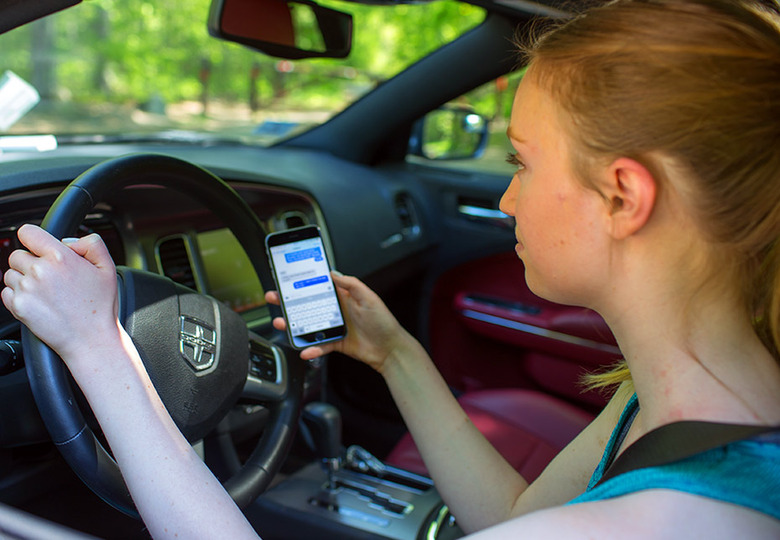
    Today's drivers are more distracted than ever and it's no surprise the consequences are growing. The most recent NHSTA data published in April stated that 3,179 people were killed and an estimated 431,000 injured in car collisions as a result of distracted driving in 2014. Furthermore, unfocused drivers caused 10% of all fatal car crashes and 18% of injury crashes. That percentage likely increased this year, as overall crash fatalities for the country were estimated to be 9.3% higher in 2015 than the previous year. Despite these alarming statistics, we are becoming more addicted to their phones, not less, and distracted driving continues to grow more rampant around the country. People are on their phones constantly—in fact, 70% of drivers admit to using their phone while driving. One study even suggests that distracted driving may very well be the "new drunk driving." With the "100 Deadliest Days" already here—the period of time between Memorial Day and Labor Day that statistically has the highest number of collisions—it's time for big change. What's the best way to combat this pervasive behavior? Laws and hefty fines may be increasing, but they aren't advancing or altering our driving behavior fast enough. Change is needed now and technology is the answer. Here's a look at the latest tech working to conquer bad driving. Safe-Driving Apps There is now a variety of driving apps available to help curb distracted driving. Some measure driver performance such as acceleration, turning and hard braking, while others are geared toward eliminating all phone use behind the wheel. One app focused on improving drivers, EverDrive, monitors driving skills and allows you to compete with other drivers in your region. Users can review multiple aspects of their driving and improve their habits over time. The goal of mobile apps like this is to make drivers more conscious behind the wheel, in a fun and competitive manner, and as a result, decrease distracted driving rates across the country. For those who don't trust themselves to keep their cell phones down, or find Facebook, Instagram and SnapChat to be too enticing, mobile apps like LifeSaver and CellControl may be the perfect fix. They both block cell phone usage while driving by locking the phone screen and operating silently in the background. CellControl also uses an in-vehicle device, and both offer an emergency phone call or text option in case of a crisis. Another app, Down for the Count, allows drivers to pledge to keep their phones down for a noted period of time. They can then request a sponsor, such as a parent or friend, to start a safe driving campaign. Once the driver successfully reaches their goal, they receive a gift card as a reward. Improving drivers' behavior on an individual basis may be the strongest bet for reducing distracted driving. If enough people are intrinsically interested in improving upon their skills or at the very least, in testing them, then the roads may become safer. Currently, 60% of United States drivers are distracted behind the wheel every day.* Many drivers may think that they're only picking up their phone once in awhile, but in reality, that's not the case. It only takes a second with your eyes off the road to end up in a potentially fatal collision.The safe-driving tech is here, but first, we need to want to improve. For drivers who struggle with self-motivation, there is other technology available that will work for you. Driver Assistance Technology For those of us who can afford a newer car with all the bells and whistles, driving assist technology may be the ideal solution to curb distracted driving. Every day, more vehicles are being sold equipped with a form of driver assistance, and the technology is no longer reserved for upgraded car packages. Known as Advanced Driver Assistance Systems (ADAS), these driver assist features can include everything from rearview cameras to automated braking and blind spot monitors. Subaru, for example, now offers Eyesight Systems which includes pre-collision braking, lane swaying detection, adaptive cruise control, and even pre-collision throttle management to help lower the impact of a crash. The Tesla Model S has a similar system that notifies drivers if they exceed the speed limit and vibrates the steering wheel if a driver begins to lane drift. Additionally, Honda Sensing is now available in multiple models and offers lane keeping assist, forward collision warning, collision mitigation braking and more. All of these features will help improve road safety, and ideally, help drivers improve upon their own skills. Something as small as a blind spot camera can make a real difference on roadways. Of course, drivers still need to make the choice to put their cell phones down, and not get comfortable in relying on their car's intelligence to compensate. Measuring whether this technology is capable of changing drivers' behaviors is hard to estimate. Not to be dismissed, self-driving cars will eventually stake their claim in the war against unsafe driving, as distracted drivers will no longer have to be drivers at all. Cars that drive perfectly according to proven algorithms will likely create safer roads. However, it may be 15-20 years before drivers experience their full effect and we need safer roads now. With the distracted driving accident rates growing daily, and the "100 Deadliest Days" already here, it's imperative we use the discussed apps and new car technologies to stay more focused behind the wheel. The right safe-driving tech is here, but drivers first need to decide to change. Too many innocent lives have been lost to continue to ignore this nationwide crisis. We have the technological solutions. It's time to use them. *United States drivers refers to the percentage of EverDrive users who drive distracted each day.

    By Tomas Revesz Read More
  • 5 Spheres of Daily Life You Can Now Track With Your Phone

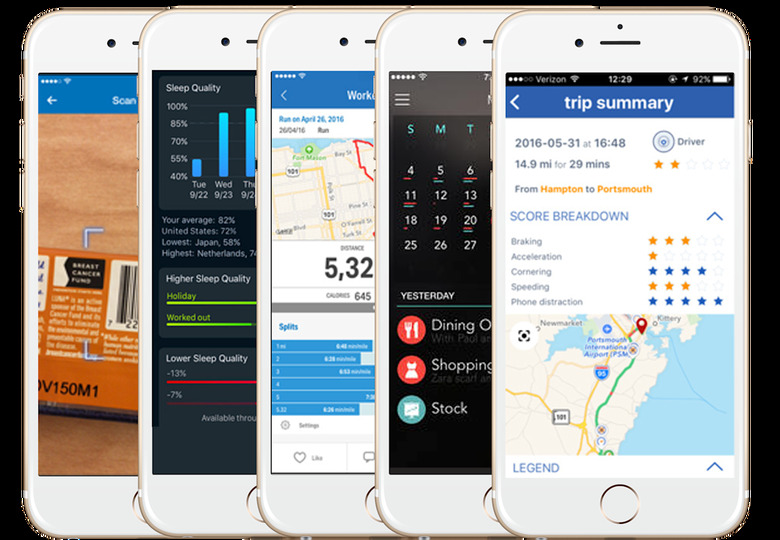
    The human mind is obsessed with measurement. In this digital age, tracking devices have exploded in number and variety. There are gadgets to wear, apps to download, sensors to keep near us. We track everything from how well we sleep to how we manage our spare change. Part of this obsession may derive from the very convenient nature of modern tracking. Today's devices allow us to find out information about ourselves and determine results without actually doing much work. Tracking ourselves has become so easy that there's now a term for the movement behind it: the "quantified self." So, what do all of these numbers mean? To put it bluntly—what's the point? At the central core of these metrics is self-knowledge. While we may have our own reasons for self-tracking, all of these measurements lead to results, and in turn, these self-trackers offer us accountability. They track daily occurrences and analyze metrics to help improve our quality of life. They allow us to make changes, monitor improvements and collect information. They can help us become a better sleeper, a faster runner or a healthier eater. They amplify our drive and create motivation. Considering 70% of adults track a health indicator for themselves in some form, it's no wonder that these devices have taken off in the past few years. Users of self-trackers can't deny the numbers in front of them and therefore, these trackers have the potential to offer valuable self-insight. Here are 5 areas of your daily life you can now measure and couldn't before: 1. Food Trackers Mobile apps like MyFitnessPal and Lose It! allow users to log their food and track calorie intake. Users can even record water intake and enter height and weight loss goals to receive personalized calorie suggestions. You can input all food or drinks consumed daily and view a nutritional breakdown to see areas for improvement. Both apps also allow you to connect with friends to challenge each other to eat healthier. 2. Driving Apps Your driving probably hasn't been tracked since the day you passed your road test. Yet with all the accidents on the roads, we could use better drivers. There are now safe driving apps available for those looking to monitor their road skills in a fun way. One app, EverDrive, measures the drives you take and gives you a trip score based on metrics that include speeding, acceleration, harsh turns, braking use, and distracted driving. Users can also compete with friends and look at tips to improve their driving skills. Other apps like Fuel Buddy and Mileage Keeper help monitor mileage and fuel economy as you drive so you can save money on gas. 3. Money and Personal Finance With all of these modes of self-tracking, we can't forget about the importance of personal finance. There are now several apps available to help you keep track of your money. Mint manages all of your personal finance and allows you to input budgets, bills and savings goals. Other apps like Level Money help you track your spending habits while Spendbook records income, expenses, and offers a calendar view to browse past spending. 4. Sleep Cycles People have always been curious about what happens during sleeping hours. What was once reserved for sleep clinics, is now available in a similar format with a quick smartphone download. Track your REM and sleep stages to see how many hours a night you're sleeping. The app Sleep Cycle works as an alarm clock that tracks your sleeping patterns to wake you up during the lightest sleep. Another app, Beddit gathers data on sleep quality, duration, heart rate and respiration rate. There are also alarm clocks with sensors, like the Withings Aura, that link to an app so you can view patterns and improve sleep quality. 5. Daily Activity and Exercise Athletes have been tracking their distances and speeds for decades, but until recently, it wasn't as common for the general public to track daily activity with so many metrics. Now there's an abundance of apps and devices for those looking to exercise more, lose weight or monitor fitness. The most well known is likely Fitbit, which can be used to track data about steps taken, heart rate and calorie burn. Other options for users include MapMyRun, the Microsoft Band, Runkeeper and Garmin wearables. In this Information Era, we've turned to quantifying ourselves for improvement. We seek the measurements, the numbers and results. We hope they'll make us more productive and change our behavior. Now there are five areas of your daily life that you can monitor and improve upon. Go ahead, and track yourself closer to your goals.

    By Tomas Revesz Read More