

Goodyear Showcases Spherical Tyres for Self Driving Autos
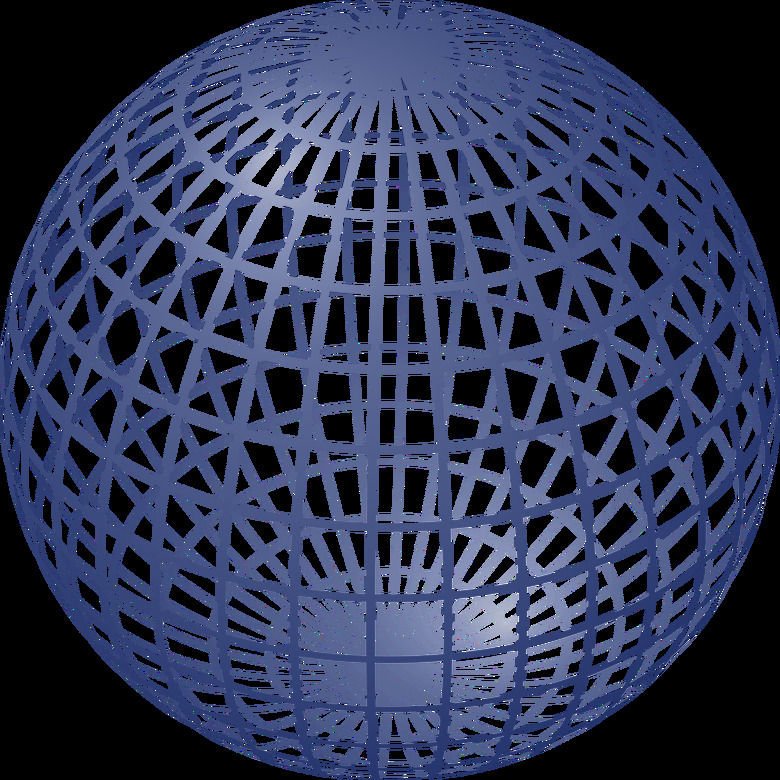
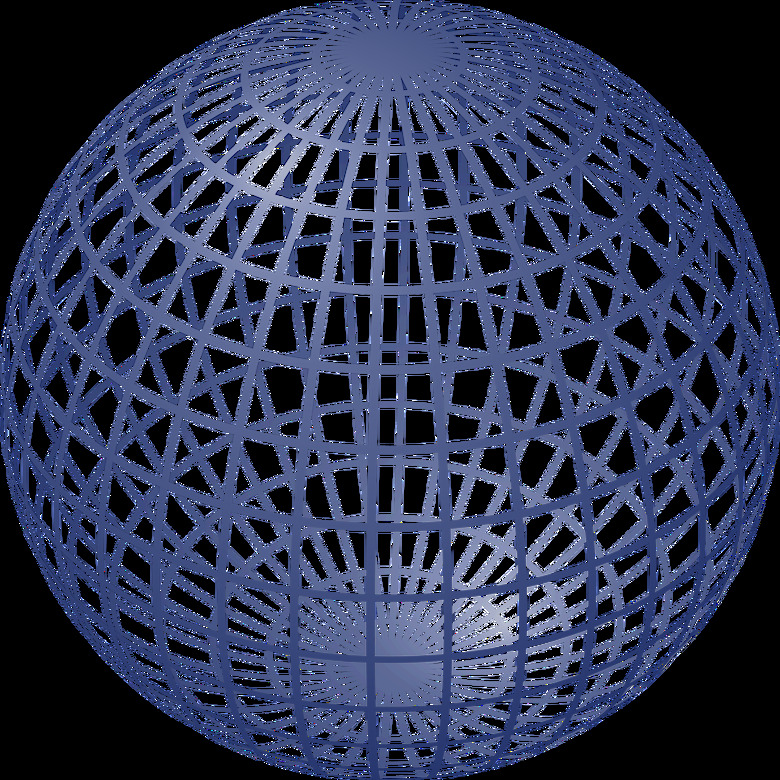
Tire technology has significantly changed over the years, although the general shape and size of tires for passenger vehicles has not been altered for decades.
All that is getting ready to change with Goodyear's introduction of the Eagle-360 at the Geneva Motor Show this year. You can see the concept here.
Designed for vehicles expected to be autonomous in the future, this spherical tire will use magnetic fields to suspend the tire from a car. This is similar to the use of magnetic poles used by maglev trains to levitate as they move down the tracks. Goodyear claims that noise from the road will greatly decrease while the level of passenger comfort will dramatically increase. This makes sense because of the physical link between axle and tire which transfers the interaction of the tire with the road to the occupants of the vehicle.
Gain A Greater Grip: Improvements In The Technology Of Tires
While the passenger benefits are obvious, the ball design allows movement in every direction, which significantly increases the ability to maneuver the car in every conceivable direction. And, the need to parallel park is eliminated when tires are spherical. All you have to do is pull next to a parking spot and make a horizontal move to fit right in.
However, Goodyear has included technology that makes these tires more than just magnetic balls. They are designed to move as needed. According to the manufacturer, the tires will be capable of halting motion to reduce slippage when black ice or other hazards are detected. Road condition information will be collected by sensors located inside of the tire. That information can be shared with other cars on the road. Taking this concept even further, these tires will be capable of communicating with authorities to help the create emergency slow zones, improve response times, and prepare them for risks on the road. It would be interesting to see the changes to the work of tyre fitters and others if such technology arrived.
There are some issues within the design that still need to be ironed out. For example, both the front and rear axles would have to be considerably shortened in order to get the tire to fit under the fender of the car. Plus, these tires won't be cheap and will change some workers' role. Shoppers are already paying a lot for high-quality rubber. It would certainly cost a lot to cover a ball that requires more rubber than a tire and that's loaded with sensors.
The idea is a fantastic one, although there are major obstacles to overcome. Hopefully, the concept will be pursued by Goodyear and we will see them on the road in the future.