

Meta, Snap and Roblox commit to tougher anti-grooming measures in UK
UK regulator Ofcom released a study raising concerns that social networks aren’t doing enough to protect children online.
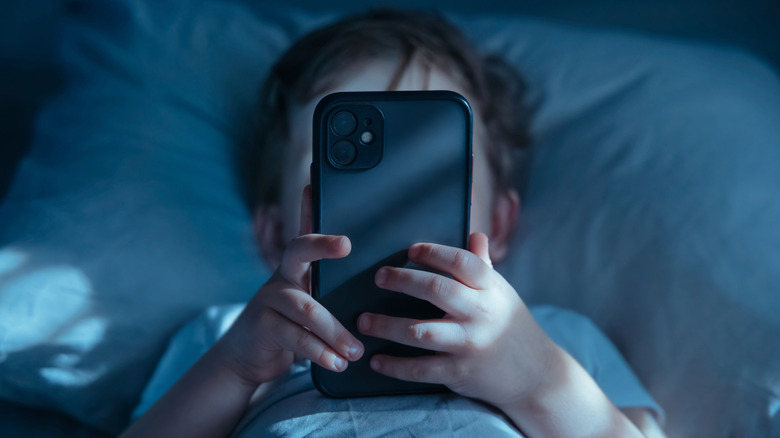
Ofcom has published a new report, detailing how some of the biggest social networks have responded to its calls for tighter security measures in order to protect children from online harm. The UK regulator said that it emailed Facebook, Instagram, Roblox, Snap, TikTok and YouTube in March after a study it did late last year showed that they aren't doing enough to protect children.
One of the regulator's demands, made under the Online Safety Act, is for the platforms to implement protections against online grooming. In response, Snap agreed to roll out default settings that would prevent adults from contacting children they don't know on its app, and it also won't encourage young users to "expand their friendship groups to strangers" anymore. The company told Ofcom that it will release a "highly effective age assurance" system to all UK users this summer, so that it can identify everyone under 18 in the country and apply the new anti-grooming measures to their account.
Meanwhile, Meta told the regulator that it will develop a new setting that will hide teenagers' following and follower lists on Instagram by default. In addition, Meta promised to roll out new AI tools that detect sexualized conversations between adults and teens in Instagram DMs. The company will then report offending accounts to the National Center for Missing & Exploited Children. Meta will expand the availability of its "13+ movie style" sensitive content control from Instagram to Facebook, as well, which will limit what teens can see to age-appropriate posts.
Roblox, which is thought to have a child predator problem, has committed to implementing age assurance measures so that it only suggests games suitable for a user's age. It will also give parents of users under 16 the ability to switch off chat altogether. Roblox introduced an age verification system last year to limit users' ability to interact with people outside of their age group. It had issues with implementation, however, and kids have been fooling the system simply by drawing mustache and wrinkles on their faces.
"TikTok and YouTube have not committed to any significant changes" in response to its demands, Ofcom said. The platforms argued that their feeds are already safe for kids. YouTube told the BBC that it worked with child safety experts to ensure "industry-leading, age-appropriate" experiences for children.
"Our research published today shows that nine in ten children aged 8-12 are using online services with a minimum age requirement of 13+, so firms' responses to our demand to enforce these
requirements more effectively are concerning," the regulator wrote. Ofcom said it will share its findings and its concerns with the UK government, particularly in response to its call for feedback on whether to introduce a social media ban for children under 16 years old. The UK announced in January that it was thinking of implementing a minimum age ban similar to Australia's, which went into effect in December 2025.