

Anthropic expands its Claude Mythos preview to more partners
The company has invited approximately 150 more organizations to Project Glasswing.
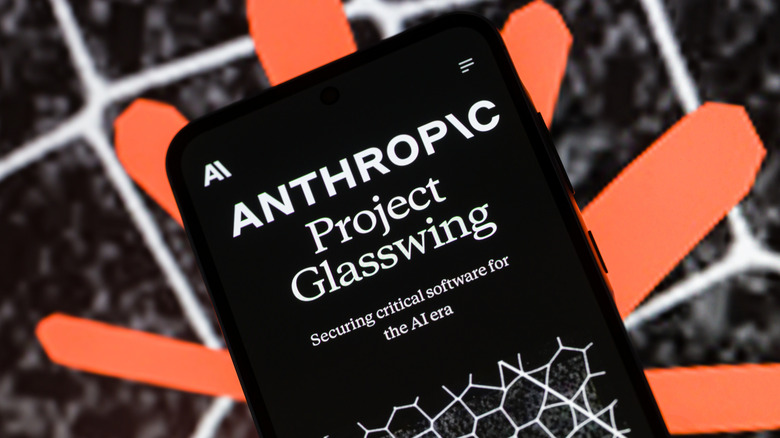
When Anthropic announced Claude Mythos at the start of April, the company didn't release the new frontier model to the public. Instead, it a made a preview available to select organizations through an effort it called Project Glasswing. "We formed Project Glasswing because of capabilities we've observed in a new frontier model trained by Anthropic that we believe could reshape cybersecurity," the company wrote at the time. "AI models have reached a level of coding capability where they can surpass all but the most skilled humans at finding and exploiting software vulnerabilities."
Anthropic announced Project Glasswing alongside nearly 50 partners, including Apple, Amazon, Broadcom, CrowdStrike, Microsoft and NVIDIA. Today, the company is inviting another 150 organizations to the effort. Anthropic says the invitees are based in more than 15 countries and hail from industries that weren't well-represented in Glasswing's original cohort. Think: public utilities like power, water and telecom companies, as well as healthcare providers. Each organization will need to pass Anthropic's security requirements before they're granted access to Claude Mythos.
"What each partner has in common is that a successful attack on their codebase could be catastrophic," the company notes. "For most partners, we estimate that a major attack could affect more than 100 million people, with important ramifications for both global and national security."
Anthropic says it's working "as quickly as we can to safely release Mythos-level capabilities" to the public, but adds it won't make the model widely available until it implements "highly robust safeguards" to prevent potential misuse of its cyber capabilities. In May, the announcement of Claude Mythos appeared to make the Trump administration rethink its stance on AI regulation. The president was expected to sign an executive order that would have established a process by which the federal government would have had the means to share information about software vulnerabilities identified by AI systems with critical institutions before those models were made publicly available. However, the signing ceremony was reportedly postponed at the last minute due to objections from Trump himself and the tech industry.