

Microsoft announces Project Solara, its take on an AI agent platform
The company demoed Solara on an Echo Show-style smart display and a smart key badge.
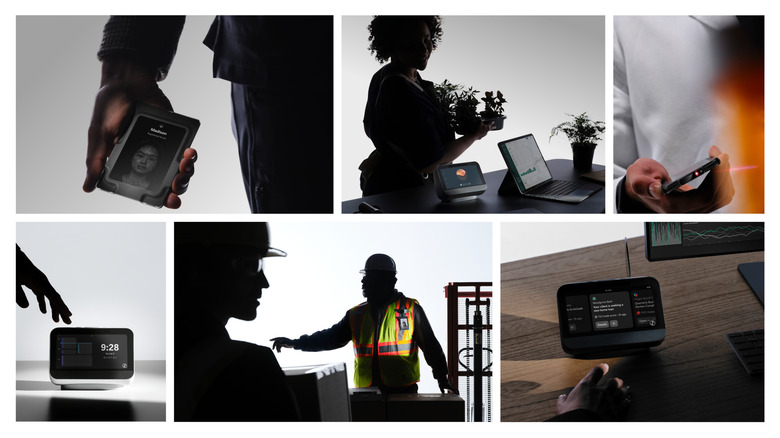
Microsoft has announced that it's building a platform for AI agents. It's called Project Solara, and at Build 2026 the company showed it powering two different reference devices, a smart display and a smart key badge. Like many other companies, Microsoft believes the next platform shift is from apps to AI agents, and it wants Solara to be the platform the coming wave of AI-first devices run on.
The smart display reference design is able to display information stored in Microsoft 365, like upcoming events from Outlook, or data from Excel. It also accepts voice input, and is theoretically capable of executing tasks on your behalf, if the company's concept video is to be believed. The smart key badge has similar functionality but is fully mobile, with support for 5G connectivity and a touchscreen and a camera that lets you input new kinds of information.
Microsoft noted at multiple points during its presentation that these are reference designs rather than proper products it's planning to build. The capabilities are an example of what's possible when you have a device explicitly designed to run AI agents rather than apps. Qualcomm and MediaTek partnered with Microsoft for its reference designs, but the platform will work on a variety of form factors using a variety of different components. "Project Solara is specifically designed for the new era of agent-first devices," Microsoft says. "It establishes hardware and software requirements that will meet enterprise needs for manageability, security, and privacy, while ensuring critical user experiences are delivered."
Those requirements are paired with a notable amount of flexibility, too. Microsoft says that Project Solara is designed without a "single dominant agent," and instead users can decide which agent they want to use manually. Eventually, the company hopes to offer something like an "agent dispatcher and an agent task manager" to direct and surface agents on a user's behalf. The actual interfaces of Project Solara devices are moldable, too. Microsoft says its platform uses "just-in-time UI" to reflow interfaces around different device sizes and in some cases generate new UI on the fly.
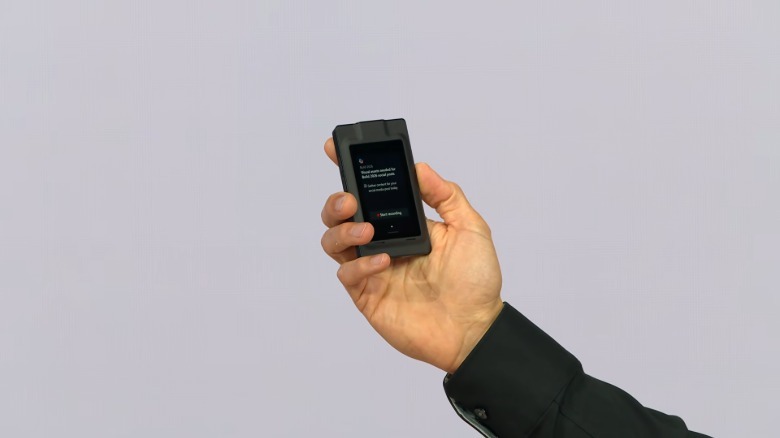 Aaron Souppouris for Engadget
Interestingly, while plenty of Solara is entirely custom to Microsoft, the platform is built on Android, Geekwire reports. Specifically, Microsoft Device Ecosystem Platform (MDEP), a fork of the operating system for enterprise devices. The mobile operating system makes it possible for Solara to run on multiple different types of devices with ease, something Microsoft will put to the test when several companies, including Target, CVS Health and Best Buy, start piloting Solara devices in the coming months.