

The FCC plans to rip up local TV station ownership rules
But does it even have the authority to do so?
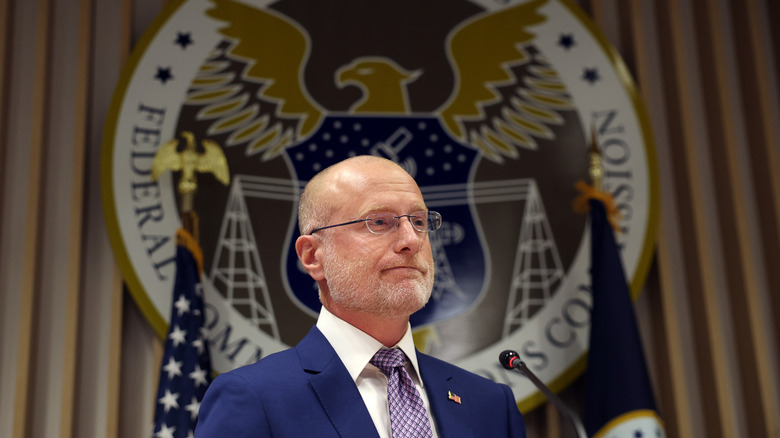
The FCC has today announced plans to hold a vote which, if successful, will dramatically shift the balance of power in the US TV market. On August 6, commissioners will hold a ballot to repeal Section 303 of the Communications Act, and with it the 39 percent rule. In essence, the rule limits the reach of a local TV network to no more than 39 percent of the US' total audience market. In its place, the FCC would move to a system whereby it would personally approve or reject TV ownership deals on a case-by-case basis. Which, I'm sure, would not expose the process to any sort of partisan influences or subversion given Carr has already threatened to revoke broadcast licenses if they air material critical of the government.
It's not clear if the FCC even has the authority to reject Section 303 without the explicit consent of the legislature. As Lawrence J. Spiwak wrote in the Yale Journal on Regulation back in January, Section 10 of the Communications Act expressly forbids the FCC from bending the rules around Section 303. That said, it's not likely officials on the hill will go against the FCC given the clear benefits such media consolidation would hold. This is especially relevant given the resumption of talks which would see Sinclair Broadcast Group acquire The EW Scripps Company. A similar deal, between Sinclair and Tribune, would have seen the Republican Party-affiliated Sinclair control broadcast stations for more than 70 percent of US homes. It was rejected in 2018.