

Google's Pixel 11 Pro and Pro XL are the toughest Pixel phones yet
The Tensor G6 processor and handy new features are also on tap.
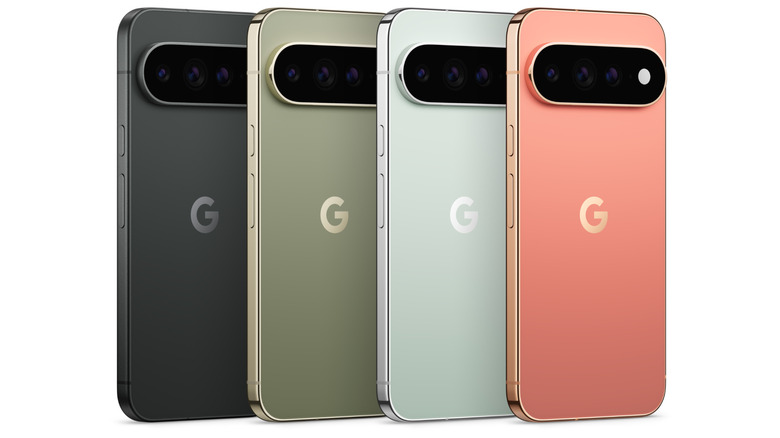
Google has introduced its latest flagships, the Pixel 11 Pro and the Pro XL, which it says are the most durable models in the lineup so far. The phones have a spacecraft-grade aluminum frame, with a display protected by Corning's Gorilla Glass Victus 2 cover and a coating that makes it twice as scratch-resistant as previous models. Victus 2 was designed to be able to withstand drops on rough surfaces like concrete.
Similar to the base Pixel 11, these flagship devices are equipped with the company's custom Tensor G6 chip that has 20 percent better power efficiency than the G5. The processor was also designed to power complex AI tasks, such as live translate, with little lag or latency. In addition, both phones, like the Pixel 11, have a redesigned camera bar with edge-to-edge glass. On the Pixel 11 Pro and Pro XL, the bar comes with an array of ambient LED lights built around the flash called HiLight. It functions like the Nothing glyph bar in that it gives you visual cues for alerts.
The Pixel phones have a feature you can switch on called Flip to Shhh that automatically puts your phone on Do Not Disturb when you place it face down on a surface. If you're waiting for an important call, however, HiLight can still let you know that someone is calling without cancelling DND mode. It glows for incoming calls from your Favorite Contacts — you can even customize the LED colors for each of them — and it works for both standard calls and WhatsApp. HiLight also pulses with visual cues when Gemini is listening, thinking or responding to your inquiries.
Both Pixel 11 Pro and Pro XL devices come with a 50-megapixel wide main camera with a new 1/1.3-inch sensor that can bring out more details in zoomed photos. They have a 48-megapixel ultra-wide camera with autofocus and a larger 48-megapixel telephoto lens, which has has 5x optical zoom and lets in 32 percent more light than the previous version. Google's Pro Zoom AI feature can give you images equivalent to having 120x zoom by extrapolating details the sensor couldn't physically capture due the subject's distance. The rear cameras can capture videos in 8K at 24 or 30 fps. For selfies, the phones have a 48-megapixel front-facing camera that can take 4K videos.
Underneath Corning's Victus 2 cover glass is a 6.3-inch display for the Pro model and a 6.8-inch panel for the Pro XL. The Pro has a resolution of 1,280 x 2,856 pixels, while the Pro XL has a 1,344 x 2,992-pixel resolution. They both have refresh rates between 1 to 120Hz and a peak brightness level of 3,600 nits that makes the screen look clear even under direct sunlight.
Google is bundling the devices with six months of Google AI Pro for free, down six months from the full year it gave away with the Pixel 10 Pro and Pro XL. An AI Pro subscription costs $20 a month and gives you access to the most advanced Gemini models with 2TB of cloud storage. You can pre-order the phones starting today in Canyon, Olive (metallic sage), Fog (grey) and Matte Obsidian, with shipments going out on August 20. The Pixel 11 Pro will cost you at least $1,099, while the Pro XL's lowest price is $1,299. Both entry-level configurations come with 256GB of storage and 12GB of RAM — smaller than the Pixel 10 Pro's 16GB base RAM — but if you need more storage, you can get them with 512GB and 1TB capacities as well.