

Apple iTunes still exists, but not the way it used to
You can still buy music from the iTunes Store, believe it or not.
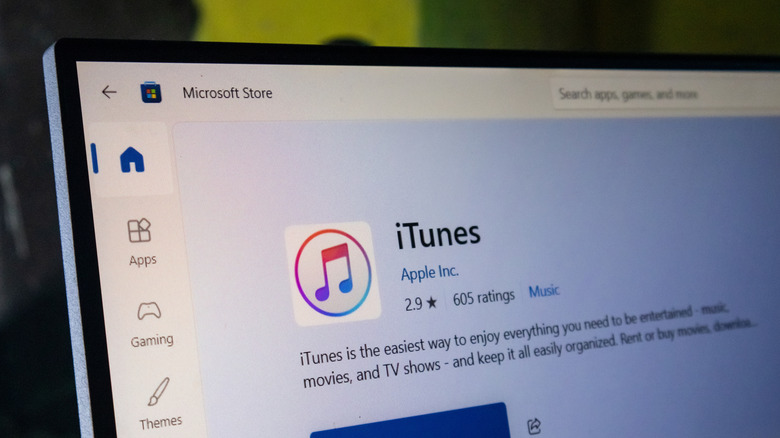
It's been just over a quarter of a century since Steve Jobs announced the release of iTunes, and it's still treading water today, in a drastically diminished state. For the Apple faithful, iTunes holds legendary status as the once-predominant digital storefront for organizing and playing music files. At the peak of iTunes' heyday, it held roughly 63% of the US paid digital download market. Ironically, the emergence of subscription services (Apple Music, Spotify, etc.) kick-started iTunes' fall from grace. It certainly didn't help that iTunes slowly grew into a severely bloated, overly complicated amalgamation of necessary tools buried in a tab-heavy interface.
iTunes didn't necessarily disappear so much as scatter, with various remnants dispersing into separate apps. Music went to the Music app, movies to Apple TV, and podcasts to Apple Podcasts. More importantly, device syncing no longer takes place within the twisted webwork of pre-Mojave iTunes. If you connect an iPad or iPhone to your Mac to back up or restore, the process takes place in Finder, not iTunes.
The original iTunes was designed to manage a personal media collection, a task it was very good at. In time, it became Apple's behemoth hub for apps, backups, movies, podcasts, books and everything else you can imagine within the Apple ecosystem. Though it's now fragmented, iTunes is still hanging on in a few ancillary ways.
Your old iTunes library and purchases are still there
You don't need a separate iTunes account to access old purchases. Your Apple Account (formerly Apple ID) is tied to all of your purchased music, films, TV seasons, audiobooks and other content. As iTunes accounts became Apple IDs, which later became Apple Accounts, your library remained the same across that timeline, as long as you remember your login credentials.
For Apple users, the Music app is the closest successor to classic iTunes. It can play and organize purchased tracks, DRM-free files, ripped CDs and other music you've imported over the years. An Apple Music subscription is not required to keep listening to files you already own. An Apple Music subscription adds a streaming catalog and cloud-library features, but it is separate from purchasing music or keeping local MP3, AAC and ALAC files.
Apple still offers iTunes for Windows, and you can even use it for media if you haven't installed Apple's newer Windows apps. Once you install Apple Music or Apple TV on a PC, those apps take over music, movies and TV shows. The Apple Devices app handles syncing and devices, while good old iTunes remains the place to go for audiobooks and free podcasts.
Where iTunes is still useful now
Despite its drastic regression, iTunes is still a thing. It's just no longer a universal command center for Apple media and device control. Windows users can download the traditional iTunes app, manage compatible media and access the iTunes Store, kind of like old times. However, iPhone and iPad users have an iTunes Store app now. This app, unlike the Music App, is the go-to option for purchasing music, movies, and TV shows if you prefer owning downloads over paying for a monthly subscription. Mac users can still purchase music from the iTunes Store through the Music app; TV and movie purchases now live in the TV app.
Purchased albums in 2026 can sit in your Music library right alongside files ripped from CDs back in 2004. No Apple subscription is necessary for downloading your purchases for easier listening while you're on the road or off-grid. When it comes to device management, iTunes is just legacy software these days, assuming you're running any macOS versions post-Mojave. The Finder app handles device management in terms of wired syncing, backups, restores and software updates. The Apple Devices app on Windows serves the same purpose. The iTunes name has survived because most people still associate it with Apple's storefront and personal libraries, but the original application is all but gone, with a few exceptions.