

Apple's iPhone 18 Pro camera innovations went well beyond megapixels and AI
Variable aperture and more control is more important to me than a foldable iPhone.
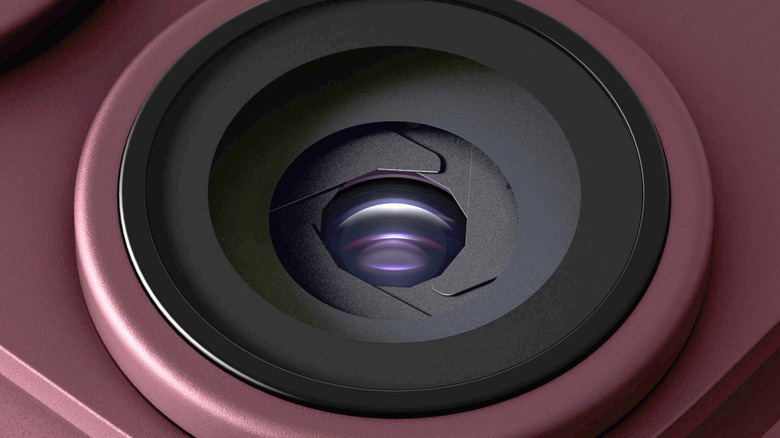
Everyone was waiting for the launch of the folding iPhone Duo, but what impressed me more at today's Apple event was the massive update to the iPhone 18 Pro and Pro Max cameras. The changes go well beyond megapixels and AI. A new variable aperture and sensor, along with pro controls, persistent subject tracking and a signed "Reference" mode have made iPhone cameras closer to dedicated cameras than ever before.
If anything, Apple understated the benefits of the new variable aperture. Implementing such a feature is challenging with a small phone sensor, as the aperture blades are tiny and must open and close smoothly. Apple said it achieved that by using "laser-cut" blades that allow for fluid transitions between settings.
This feature offers multiple benefits. In automatic exposure mode, it can open and close to let in more or less light without changing the shutter speed. That way, if you're shooting action, it can keep the shutter speed high in lower light to keep photos sharp. At the same time, it will minimize the ISO setting so that you won't get grainy photos and video.
 Apple
Apple
It also provides a big improvement in the Apple Camera's updated Pro mode. You can manually control the aperture with four settings (f/1.48, f/1.8, f/2.8 and f/4.0) to provide more background blur for portraits, or less if you're taking landscape shots and want the entire scene to be in focus.
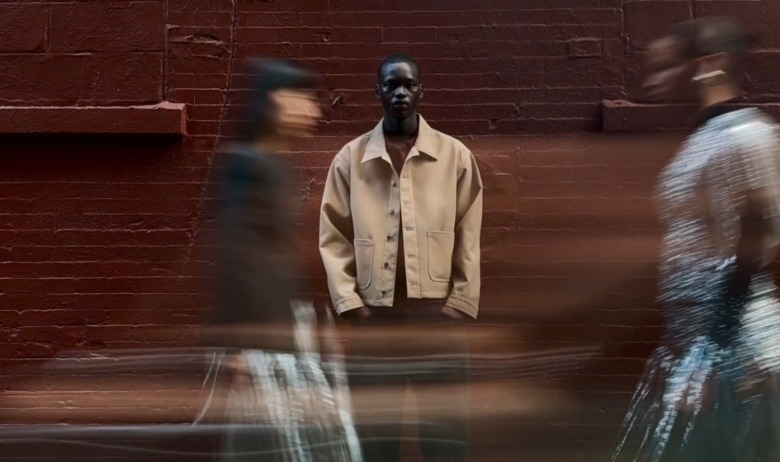
Apple showed a good example of how the new variable aperture and Pro controls can work together. Let's say you want to have a blurred foreground with cars or people walking in front of a sharp background. With previous models (that have a wide open aperture), it would be challenging in daylight to lower the shutter speed enough to get that blur. Now, with the aperture stopped down to f/4, it's feasible.
While impressive, the idea of a variable aperture on a phone isn't completely new: The Samsung Galaxy S9 had a dual aperture, while models from Xiaomi have had an even more advanced smooth aperture range.
Along with ISO, aperture and shutter speed, the Pro controls also let you change things like white balance, while letting you bring up a histogram to check levels — a highly useful feature not even found on some dedicated cameras.
Another update that gave me deja vu as Engadget's camera reviewer was the persistent subject tracking for video and photos. The idea is that it will lock onto and continue to track a person, even if they're in a crowd and disappear momentarily behind someone else. Canon first showed this feature on its excellent, $4,500 EOS R5 II mirrorless camera not long ago, so Apple's iPhone 18 Pro camera is in good company.
 Apple
Apple
Apple also updated the Photographic Styles setting with new texture and grain controls, leveling up to compact cameras like the Fujifilm X100 VI. Along the same lines, it added the ability to apply Cinematic effects after capture to videos shot up to 60 fps, for easier posting to TikTok and other socials.
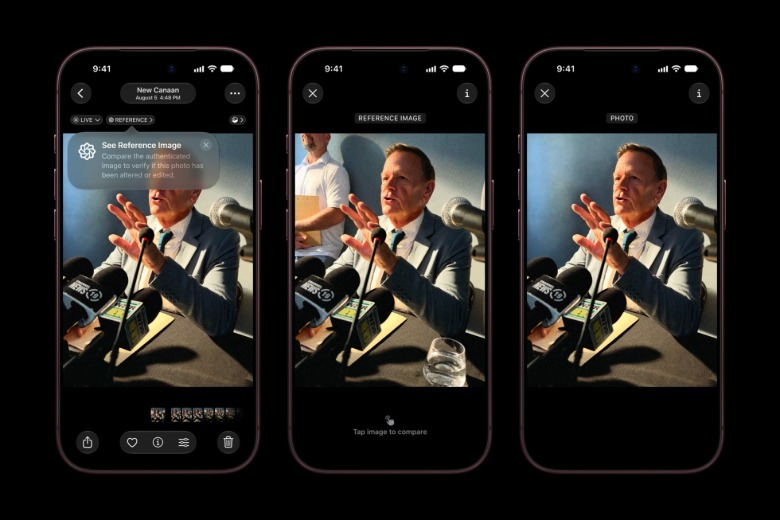
Another key new feature that will be handy for pros is Apple Reference Image. When you shoot in the new Reference mode, the camera captures signed sensor data that Private Cloud Compute develops into an "unalterable reference image." Those can be viewed in the Photos app beside the main image, like a digital negative, to compare and check for any rogue edits. That way, you can see if someone has stolen or altered your copyrighted photo.
It was refreshing to see a smartphone launch emphasize camera features other than higher resolution and AI. With that said, the iPhone Pro models have all the resolution you need, with a 48MP Main Fusion camera (with the variable aperture), along with a 48MP Fusion Ultra Wide f/2.2 and 48MP Fusion Telephoto f/2.8 camera. And to my relief, Apple barely mentioned AI, just saying the Main camera has a "new computational imaging pipeline... that produces sharper, more detailed shots."