

Can you still use your router if it doesn't get firmware updates?
It won't stop working, but newly discovered security flaws may go unfixed.
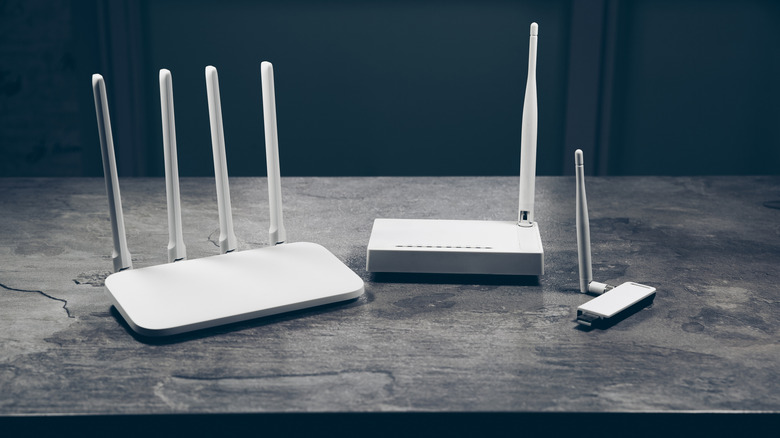
So long as the hardware is healthy, a router will continue connecting your devices to the internet long after the manufacturer stops releasing firmware updates. There's no built-in kill switch outside of eventual hardware failure that will silence your router forever. Unfortunately, once firmware updates cease to be a regular thing, your router loses its most dependable attribute for fixing newly-discovered security flaws.
Now, that's not to say that your home will be immediately targeted and all of your devices will suddenly rise up and begin wreaking havoc throughout the house. What it means is that your router could now be vulnerable and may remain so with every passing day. Attackers often target vulnerable routers in bulk, using them to relay malicious traffic or join a larger group of compromised devices controlled without their owner's knowledge.
On the bright side, a router without updates is not automatically compromised, but you should begin eyeballing a replacement sooner rather than later. Make sure things like remote administration are disabled so the router's management page is not accessible outside your home network. It's just one potential exposure risk, but that list may continue to grow the longer you take.
Five years is a checkpoint
A five-year-old router isn't necessarily outdated, especially if "internet access" to you is web browsing for recipes or streaming TV shows. There's also not a set-in-stone timeframe for when firmware updates cease. View it as a checkpoint for making sure that the exact model you own will continue receiving security updates. Netgear suggests the four- to five-year timeline, but it's not an absolute decree.
Should you check and discover that support is indeed coming to a close, install the most recent manufacturer update (if applicable) and start planning for a replacement. If you're really worried, you can always go purchase a new router the old-fashioned way by visiting a nearby retail outlet. And if you haven't already, create and use a strong, unique admin password on your current setup if you need to wait on shipping.
There may be another technical alternative for some. Projects like OpenWrt may offer custom firmware for your router once the manufacturer stops updating it. You'll have to check the exact hardware revision against OpenWrt's supported device list. Just be careful on this particular leg of your aging router's journey. Installing the wrong firmware or following the wrong procedure may turn your router into a neat-looking paperweight.
How to check if a router needs a firmware update
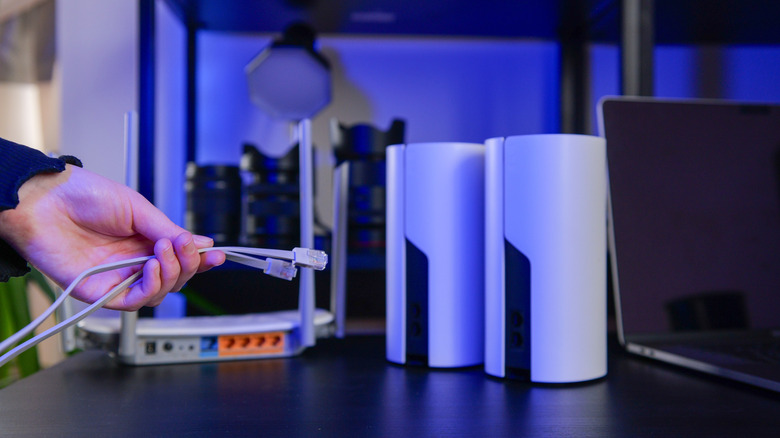
First, find the router's model number and hardware revision on its label, which is usually beneath or on the back of the router, along with its default Wi-Fi password or login address. The revision is very important because two routers sold under the same model name can still have different firmware releases. Log into the router or open the associated app, find the setting for firmware updates, and check the installed version against any update offered. If automatic update is a feature you can enable, do so.
Next, look up the same model and revision on the manufacturer's official support site. Compare the installed version with its latest listed release, read the release notes and check for an end-of-life or end-of-support notice.
If an update exists, follow the manufacturer's instructions and let it do its thing. If there is no update, double-check to confirm your router's support status, especially if you've had it for more than a few years. If your router is actively supported, then you're good to go. If not, you will likely be fine, but start making plans to replace it.