

Don't throw away your old, unsupported Nest gadgets — Do this instead
Google recently dropped support for some of its early smart thermostats.
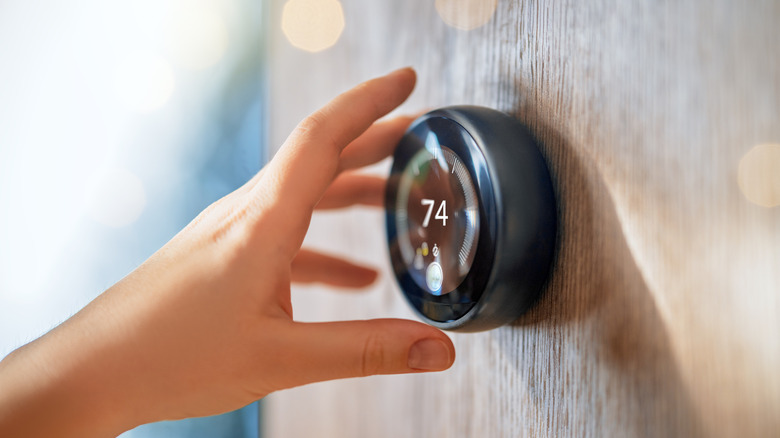
Google generated a bit of fury in October 2025 when it discontinued support for Nest's first- and second-generation Learning Thermostats. Understandably — while we're all used to upgrading phones and computers on a regular basis, thermostats are relatively permanent fixtures that we depend on for comfort. They're not even that demanding on a software level, so it's not clear why Google couldn't come up with some solution to keep its older models running for more than 14 years.
These products aren't completely useless, to be clear. You can still adjust on-device temperatures and settings, including their auto-schedule functions. But without support on Google's end, they're disconnected from outside apps and accessories, and they're no longer receiving any software updates. The company has tried to make good with discounted upgrades to the fourth-gen Learning Thermostat, but that's obviously not too appealing if you weren't planning to double down on Google's ecosystem.
Thankfully, there are two other options: recycling and switching to a different brand, or turning to third-party projects attempting to resuscitate the old smart features. Which option you go for may depend on your level of tech savvy.
The open-source and recycling options for your Nest Thermostat
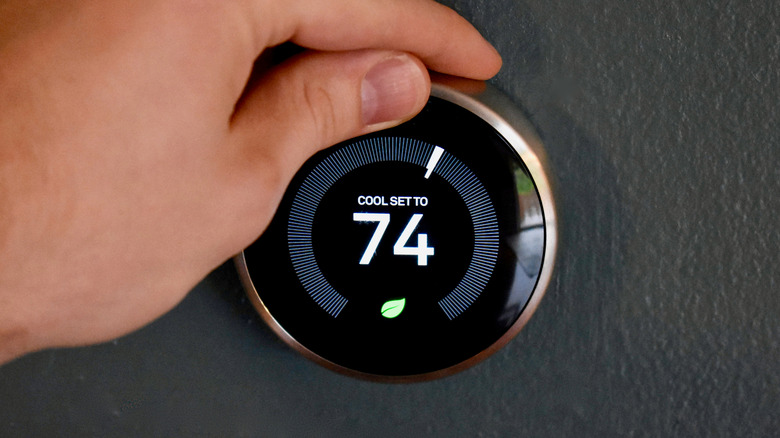
The main effort to revive older Nest thermostats is a free, open-source project called No Longer Evil. By flashing your device with custom firmware, you can substitute some or all of the advanced functions that were disabled when Google disconnected you from the cloud. There's actually a No Longer Evil cloud platform, but you can also set up your own server, or connect to the Home Assistant ecosystem.
If any of this sounds intimidating, you might want to stay away. While there's an automated installer that guides you through the process, there's a non-zero risk of bricking your thermostat. If that happens, you won't be able to use it again in any capacity, even its "dumb" form. That could be dangerous if you have to go an extended period without a replacement in hot or freezing conditions.
If the weather is tolerable and you're prepared for an upgrade, it's good to take advantage of Google's free recycling program. You'll get a prepaid shipping label, which saves you the trouble of having to drive anywhere or spend anything. If you don't have access to a printer, however, you'll have to look up what local retailers and e-waste centers offer in your area and do things the hard way. Regardless, be sure to perform a factory reset by going to Settings > Reset > All Settings. You don't want any trace of personal data on something you're handing to a stranger.
Do you really need a new smart thermostat?
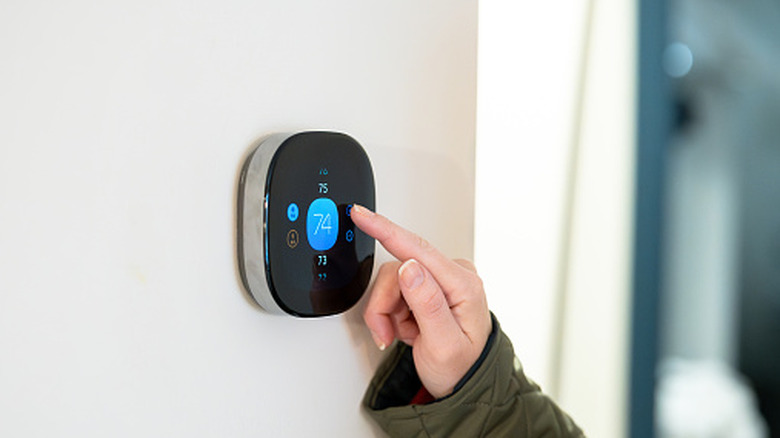
It may well be worth investing in a new one from Google or another smart thermostat maker if your goal is to cut energy bills. Better models optimize performance not just in terms of general efficiency, but by detecting occupancy and syncing with cloud-based weather data. If nothing else, it can be helpful to adjust temperatures remotely — when no one's at home, there's no sense wasting money on perfect heating or cooling.
Beyond that, there may not be a real need for you to invest in a new smart thermostat. If the people in your home have predictable habits, you should be fine enough with your Nest's built-in scheduling. Comfortable temperatures don't vary much during the year. If you want to save cash, a simple tactic is to let yourself get a little hotter in the summer, and a little colder in the winter. Changing clothes or using portable fans and heaters is often more economical than forcing your entire HVAC system to work harder.
If you do think it's worth buying a new thermostat, be sure to check for any rebate programs offered by your energy provider. I recently bought a new Ecobee, and the rebate was steep enough that I was able to afford a top-of-the-line model for less than what a midrange one would cost on sale. Entry-level thermostats might as well be free.