

The disadvantages of owning smart refrigerators
Before paying extra for a smart fridge, it helps to know what it could mean for your budget, your privacy, and software support over the years.
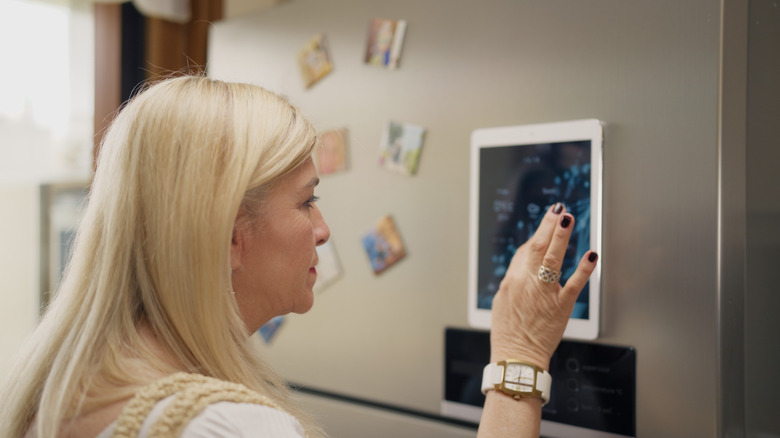
If you haven't shopped for appliances in a while, you may be surprised by how common smart models have become. To be clear, "dumb" ones do remain on sale. But even cheaper products frequently offer some smart home functionality, and the high-end models can include features like cameras and custom touchscreen controls. There are actually ovens with cameras despite what you'd assume from the heat involved.
The king of smart appliances, though, is the fridge. Once connected to Wi-Fi, many fridges will let you do things like check and adjust their temperature zones, or get alerts when maintenance is needed or the door is left open. The most advanced models — like Samsung's Bespoke Fridge with AI — can turn your fridge into a digital bulletin board, and even keep track of its contents.
In a sense, it's about time that appliances started feeling as advanced as the rest of our devices. But there are several potential drawbacks, among them data collection and obsolescence. You're probably better off with a smart display like an Echo Show if you want a family hub.
The literal and figurative costs of smart refrigerators
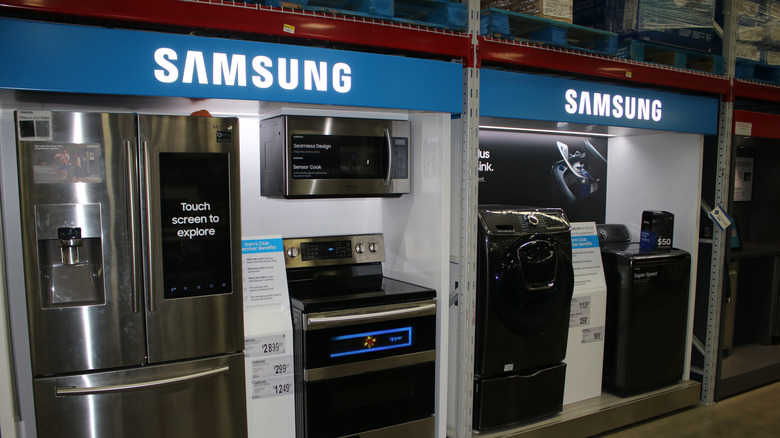
For most buyers, the overriding concern is cost. Shop around, and you'll likely find that the difference between a dumb fridge and one with bare-bones smart features (temperature status, door alerts, and the like) tends to be minor. As things become more advanced, however, the premiums can become exorbitant. In September 2026, Samsung was selling two versions of a four-door Bespoke fridge sized at 29 cubic feet: a $5,000 AI model with a display, and a $3,600 variant with some smart features that swaps the screen for a beverage center. Given that you could buy a complete second appliance with those savings, you should probably double-check your priorities.
Smart fridges also raise privacy and security issues. While your home is unlikely to be a target, commercial freezers in Europe were recently sabotaged by hackers, and with a smart refrigerator, you're adding another potential entry point into your network. Also, manufacturers are constantly collecting data from smart appliances. In some circumstances, this is for practical purposes, but it's also used for marketing. Samsung's touchscreen fridges display ads unless you disable them.
In the long term, your bigger concerns may be repair and obsolescence. While smart tech can help with diagnosis, you're also increasing the number of things that can break, and the potential service costs. On the obsolescence front, think about how rapidly other device makers cut off software support for older products. This is evident in how you can't even install watchOS 27 on the 2022 Apple Watch Ultra. Home appliances last eight to 19 years on average, so you're taking a huge gamble that a manufacturer won't cut off your apps and services the moment supporting old hardware looks bad on its bottom line.
Can it still be worth buying a smart refrigerator?
Ultimately, this is subjective, but if you're cost-conscious, you're probably better off focusing on the features that count most with any fridge: space, power efficiency, and balanced cooling. A touchscreen hardly matters if you can't fit a gallon of juice or if your leftovers are frozen when they're not supposed to be. Besides, generations of people have lived without needing an app to remind them about the door or whether they need more milk.
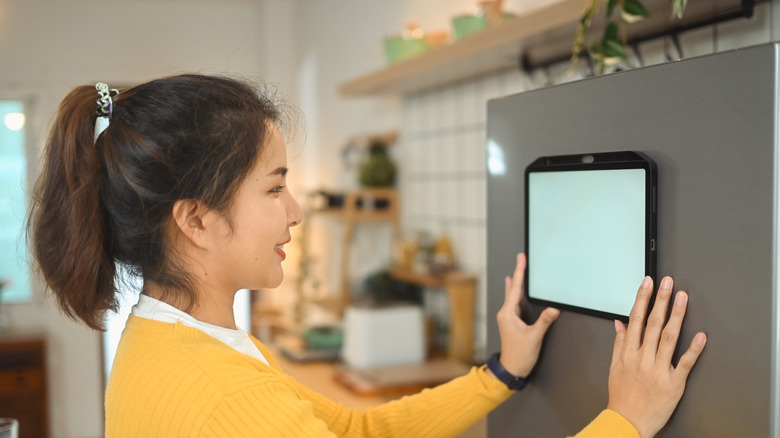
As we suggested up top, if you want the sort of communal hub promised by touchscreen fridges, it's far more cost-effective to buy a smart display. Amazon's Echo Show 16 is $500, doubles as a TV, and can easily be replaced on a whim. Apple fans now have the option of the $300 HomeView. Heck, you can use an iPad or any Android tablet if you like, though those aren't optimized for family sharing.
Because of discounts or other perks, a smart fridge can be tempting whether or not you were planning on getting one. Remember, though — you don't have to activate those smart features. You can stay disconnected and remove every concern except that initial sticker shock.