

Is 1TB enough storage for your Xbox Series X? Here's what gamers should know
Size really is everything when you're considering what storage to go for for your next games console purchase.
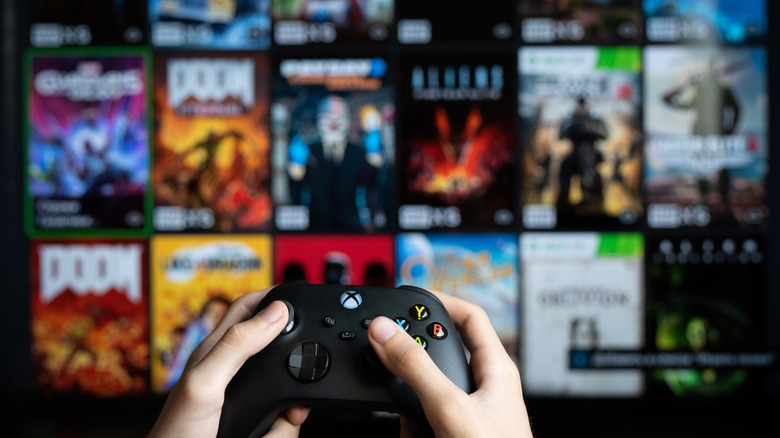
The Xbox Series X may not be the hottest console anymore, but if you can find it for a more reasonable price than Microsoft is currently charging, it still has plenty going for it. There's backwards compatibility going back decades, and partly because of that, Xbox Game Pass remains a better deal than any subscription Sony is offering. I personally prefer the Xbox gamepad design, as subjective as that point might be.
Most Series X models also start with a relatively generous 1TB of storage, whereas the PlayStation 5 Slim comes with 825GB, and Nintendo's Switch 2 has just 256GB. That matters, since even if you opt for disc-based games, installing hundreds of gigabytes of data is pretty much de facto in 2026. It's impossible for any optical drive to match the speeds of an SSD.
Is 1TB going to be enough for you? Most likely the answer is yes. But if you're a truly hardcore gamer, it can be worth spending more upfront on a 2TB model. Trying to cope with limited storage later is going to be a hassle, and an expensive one at that.
How 1TB of storage might tread a fine line on your Xbox
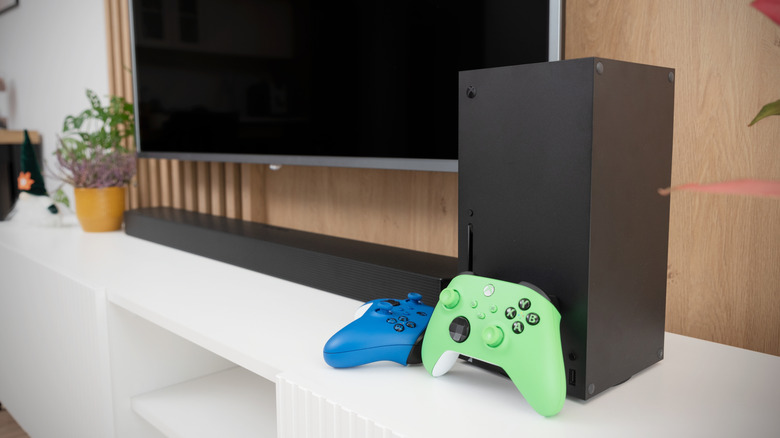
On any console, a base amount of storage is automatically consumed by the operating system. It's unavoidable. In the case of the Series X, you may be left with 802GB (or less) of usable space for all the games and other apps you want to install.
For some of you, this may be more than you'll ever need. Increasingly, however, the biggest games are surpassing the 100GB mark. Call of Duty: Modern Warfare 4 consumes about 137GB for its single-player campaign — never mind the multiplayer most players come to the series for — while Grand Theft Auto 6 devours a whopping 225GB. Depending on what you choose to play, a 1TB Xbox might only have enough room for a handful of games at a time, forcing you to delete anything that isn't in active rotation.
These footprints might sound absurd if you're new to high-end gaming systems, or you've been out of the loop for a while, but it all boils down to media assets. A game with native 4K support naturally demands high-resolution textures to match. On top of that, games frequently include many gigabytes of map, model and audio data. We're a long way from the Xbox 360 days, when resolution normally topped out at 720p, and simply being able to render a vast landscape in Red Dead Redemption was a big deal.
Why it's better to pay for 2TB from the jump
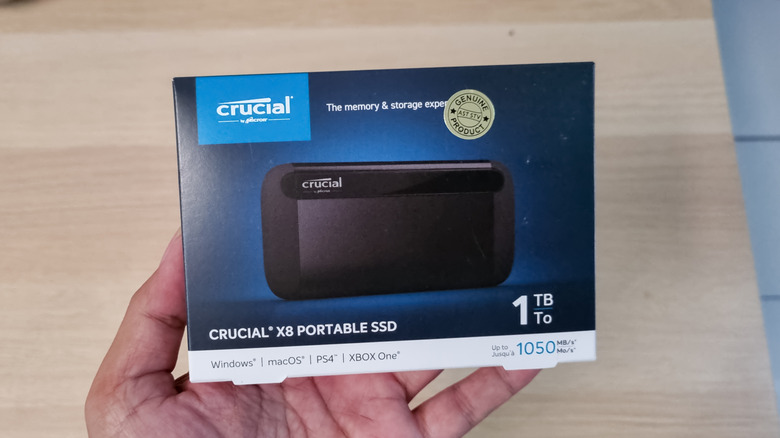
Although you can expand your Xbox's storage after-the-fact, there are some tough limits at play. Most significantly, if you want a drive you can actually run your games from, you're going to need an Xbox-compatible NVMe expansion card. Most external SSDs (like the one above) can only store Series X/S games, not load them, which seems pointless unless you hate the idea of redownloading your games just that much.
That wouldn't be such an issue if the expansion cards weren't so pricey. From Microsoft, a 1TB Seagate card is at least $200, and you'll spend far more than that if you want 2 or 4TB. Conversely, it a 2TB Galaxy Black Xbox is just $50 more than the 1TB Robot White version . Both are arguably overpriced when bought new, but there's only so much anyone can do about that with AI-inflated memory prices.
Let's reiterate something here — 1TB may well be a livable amount for some gamers. Many 2D and indie games fall under the 100GB mark, and some of us (including yours truly) rarely play more than one or two games at a time. If most of your free time is spent playing console games, however, that Galaxy Black Xbox should be your target, whether new or used.