

How long will your NVIDIA GPU be supported?
NVIDIA can support GeForce GPUs for years, but Game Ready updates, security patches and OS support don't all end at once.
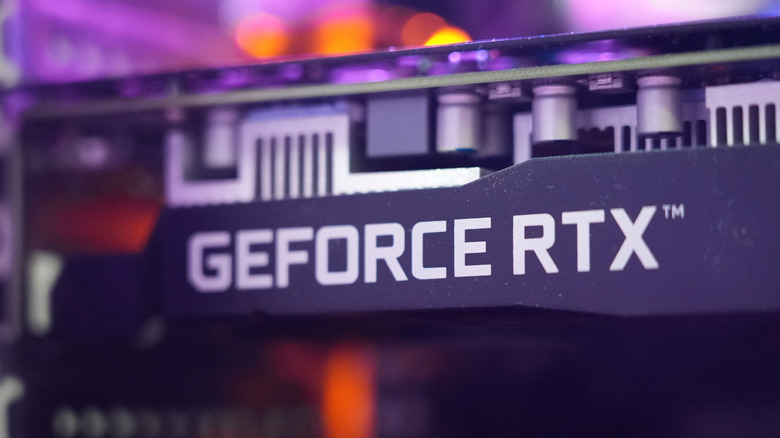
Graphics cards do not have an expiration date on the box. That would make it easier to upgrade, but much more depressing.
NVIDIA also does not guarantee a specific number of years of driver support for all GeForce GPUs. Rather, support is largely dependent on the architecture your card uses. At time of writing, Turing, Ampere, Ada and Blackwell GPUs are still on the normal Game Ready Driver track, which includes new features, game optimizations, performance improvements and bug fixes. That means that even though the RTX 2060 was released in 2019, it continues to receive regular driver updates.
Older cards have started moving down the ladder. In October 2025, Maxwell, Pascal and Volta GPUs stopped receiving Game Ready updates, but NVIDIA will continue to offer critical security updates until October 2028. Pascal and Volta had nine years of Game Ready support, whereas Maxwell lasted for 11 years.
That's a pretty respectable run, but what comes next and how could it impact your system?
NVIDIA's three support phases don't really apply to GeForce cards
NVIDIA does have a neatly defined three-phase software support lifecycle. Unfortunately, it's about NVIDIA vGPU software; not about the GeForce card in your gaming PC.
NVIDIA vGPU is a virtualization solution, mostly for enterprise use (data centers and professional deployments), that requires an active software or support subscription to receive software support. Phase I, also known as Full Support, includes new features, performance enhancements, security patches and bug fixes. Phase II is the next three years of Extended Full Support, with the same coverage, and Phase III is the final three years of Maintenance Support, where the GPU remains on its last supported software branch and receives maintenance, security fixes and bug fixes as NVIDIA sees fit.
GeForce support is far less ceremonial. NVIDIA has moved older architectures off its primary Game Ready branch, but doesn't publish a single lifespan for all generations.
That can also make model names confusing. The GTX 750 Ti is a Maxwell card and will continue to receive security updates until October 2028, whereas the more powerful GTX 780 Ti is based on the older Kepler architecture, whose published security-update window ended in September 2024. A good rule of thumb: bigger number equals older architecture. GPU naming is weird that way.
Losing Game Ready support doesn't make your GPU useless
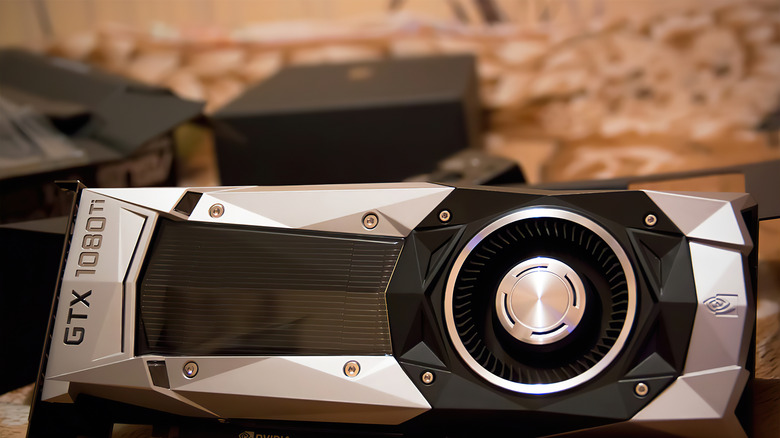
The end of Game Ready support sounds a lot more dramatic than it normally is.
Your graphics card does not suddenly refuse to boot up Windows or stop running all of the games you already have installed. Existing drivers continue to work. What goes away is the constant flow of optimizations for new games, feature additions, performance tweaks and regular bug fixes, which can become more noticeable as newer software expects newer drivers.
Security-only support is still meaningful though. NVIDIA has already issued dedicated Maxwell, Pascal and Volta security drivers during 2026, so these cards haven't simply been abandoned.
Another clock is ticking too: your operating system. The last full Game Ready and Studio driver for Windows 10 will be available in October 2026, according to NVIDIA. Windows 10 systems will get quarterly security updates and critical bug fixes until October 2029. So even a newer RTX GPU might lose the normal Game Ready update stream due to Windows and not the hardware.
For an RTX 2060 owner, driver support alone is not much of a reason to start looking for a new GPU. Performance and VRAM limits or a lack of access to newer features may become bigger issues first. NVIDIA hasn't confirmed a new GeForce generation for 2027 either, despite reports previously pointing to late-2027 mass production for its next architecture.