

The pros and cons of sharing your location
Some apps really do need to know where you are, but plenty of others don't.
We may receive a commission on purchases made from links.
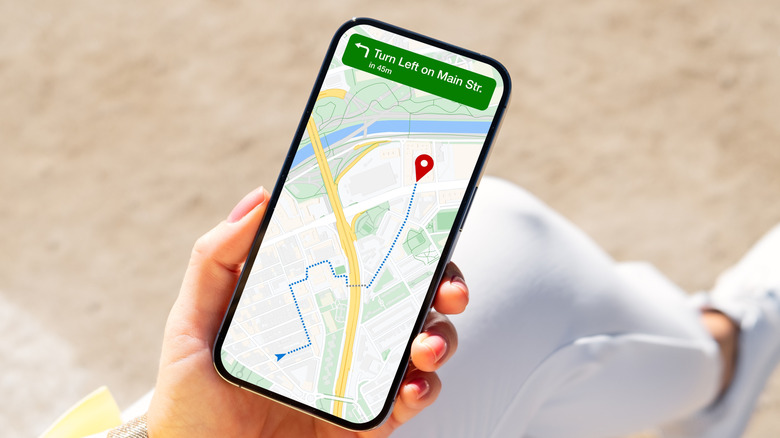
When you download an app on a smartphone, you're usually prompted to agree to a list of permissions it needs to function. You may be asked to share your device's location when the app is open or grant unrestricted access in the background. Even website pop-ups halt your scrolling to ask for your location.
It can be difficult to pick between staying in the dark and trading your location for services like maps, food deliveries and device tracking. Outside of those use cases, you may want to share your location from your iPhone with a friend or family member.
Today's devices have more safety features than they used to. Google, for instance, reviews Android apps that ask for background location access. But location data can be resold to third parties, so sharing it with apps and services you don't trust is risky. Here's how to weigh the pros and cons.
Sharing can help you find things and stay safe
Staying connected makes your devices easier to find. While Find My is an easy smartphone anti-theft pick, sharing your location data with Apple AirTags and Tile trackers that work via Bluetooth lets you see your belongings in real time on a map. They can even play audio alerts, so you won't have to worry about losing your car keys inside your apartment again.
On a night out, people often share their location with friends for a sense of safety. Uber's Share My Trip feature lets you send your trip status and live location to up to five contacts. Snapchat's Snap Map, meanwhile, uses your location to track where you've made memories and find hotspots of activity to plan your next hangout. If you've set up the Personal Safety app on your Pixel phone, it can automatically call 911 and share your location if it detects a severe car crash.
You can also share your location for a set time on your iPhone. iOS 26 lets you share for an hour, a day or indefinitely, and iOS 27 adds a custom option that runs from 15 minutes to 30 days. iOS 27 also lets you temporarily hide your location from people you normally share it with. On Android smartphones, Google's Find My Device app lets contacts share their location with you for a set duration as well. If you're meeting someone, you can also share your real-time location in Google Maps with an estimated time of arrival.
Some sharing is unavoidable, but you can limit it
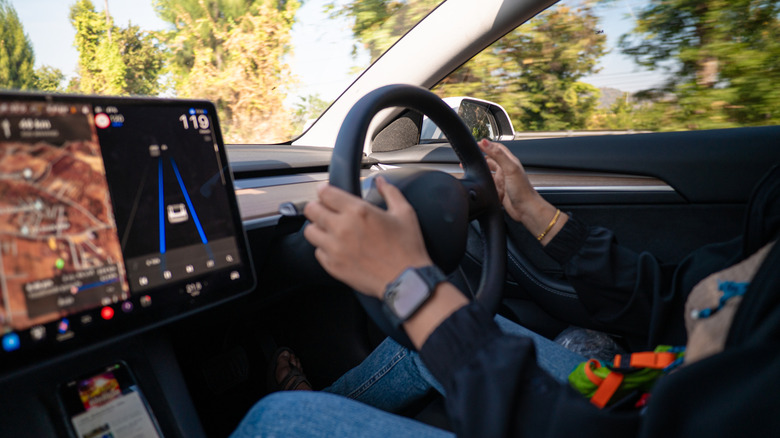
Sometimes you have no choice but to share your location data. Getting directions from Google Maps or Apple Maps, whether in a new city or on your home turf, requires letting the app see where you are. As a parent, you may want to see your children's location via services like Google Family Link. As a partner, maybe you shouldn't, even though many couples do. A Life360 survey of 1,000 US adults in relationships found that 95 percent use some form of location-sharing tech.
This can take a turn for the worse when personal safety is involved. Fitness-tracking apps like Strava store information on your jogging routines, revealing patterns that a stalker may use to deliberately run into you if you leave your information public. This goes for geotagged social media posts as well. Adding your location to a public Instagram Story might help your friends find you, but live updates like these may also draw attention from strangers.
In some cases, you may be able to get away with giving your location data momentarily or refusing altogether. Try not to hand out your location data to services that don't really need it to function. Delivery apps work just fine with manually entered addresses instead of being allowed to track your location. You can also use their browser-based versions to reduce the information you share.
In 2022, Canadian privacy regulators found that Tim Horton's mobile app logged far more personal information than it had sought consent for, including detailed location data. As long as you're mindful of where your location data is being shared, you should be able to rely on the benefits of sharing while minimizing the odds of it falling into the wrong hands.