5
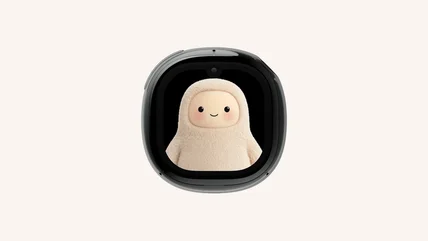
Meta put Muse in a Tamagotchi like 'Charm' device
Meta's Muse Charm is a Tamagotchi-like device with Muse AI.
Read More

Meta's Muse Charm is a Tamagotchi-like device with Muse AI.
Read MoreInstead of a new Quest headset, the company showed off a more portable but less immersive device today.
Read MoreSorry Apple, it looks like Meta's VR Glasses are the real Vision Pro successor.
Read MoreHave your virtual assistant book a flight while you’re jogging.
Read MoreSamsung phones have a few different triangle symbols that can display in the status bar in different scenarios. This is how to tell what they mean.
Read MoreMore smart glasses and possibly a VR headset are expected today
Read MoreIn case you missed it, Logitech bough Blue, actually kind of a while ago!
Read MoreFor $60 it had better be a pretty incredible mouse pad.
Read MoreThat's pretty weird.
Read MoreChatGPT and other chatbots are useful for a lot, but remember that what you type into them is not protected and could cause trouble later.
Read MoreApple has added podcast guides for select US landmarks within Maps, discussing their histories and lesser-known stories.
Read MorePac-Man is doing sponcon... look how they've massacred my boy.
Read MoreIt's $2,000 and it doesn't even read you a bedtime story.
Read MoreThere's no perfect solution, but different authentication methods can work better in some circumstances than others.
Read MoreThe fact that the "send" button shares real estate with the "record" button can make dealing with iMessage aggravating.
Read MoreIf you've had some songs in your Apple Music app turn gray and become unavailable, there are some things you can try.
Read MoreThe company blames technical errors and a difference of opinion on how wages should be calculated for pay irregularities.
Read MoreIt will offer several privacy-focused options for users who aren’t automatically confirmed as adults.
Read MoreNot bad for a quick refresh.
Read MoreThat video capture is nothing to sneeze at.
Read MoreI thought we were supposed to be slowing down the frontier.
Read MoreIs your Android phone missing? Here’s how you can use Find Hub to look for it.
Read MoreDon't have your monitor sitting just anywhere; the distance, tilt and angles are all important to avoid strain while working.
Read MoreEthernet ports are often in short supply. If you run low, a cheap device lets you add more to your existing router without fuss.
Read MoreUSB extenders will help you connect devices over longer distances, but not all of them have the same capabilities when performing this function.
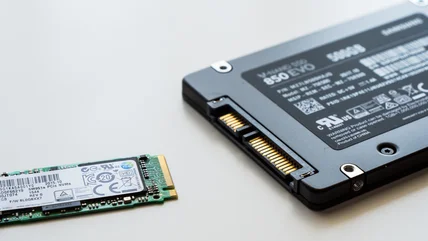
Read MoreAn SSD is a huge upgrade over an HDD, but SATA and NVMe SSDs offer major differences in their performance.
Read MoreRobotaxis from companies like Waymo, Xoox and Tesla are always improving, but some riders do experience injuries or find themselves in places they shouldn't.
Read More