

Et tu, Watson? IBM's supercomputer can critique your writing
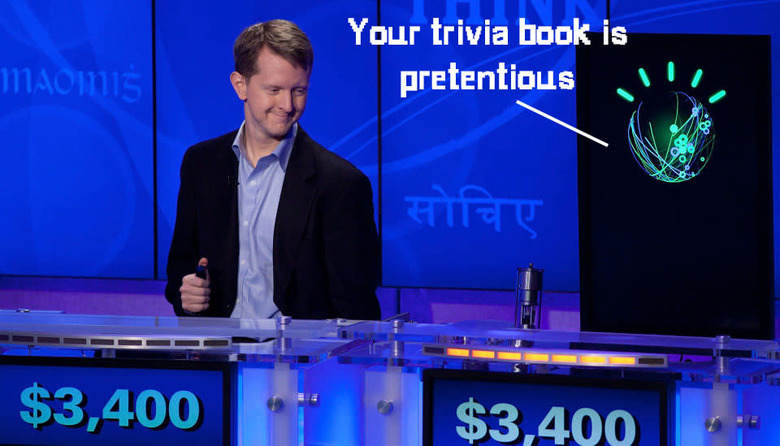
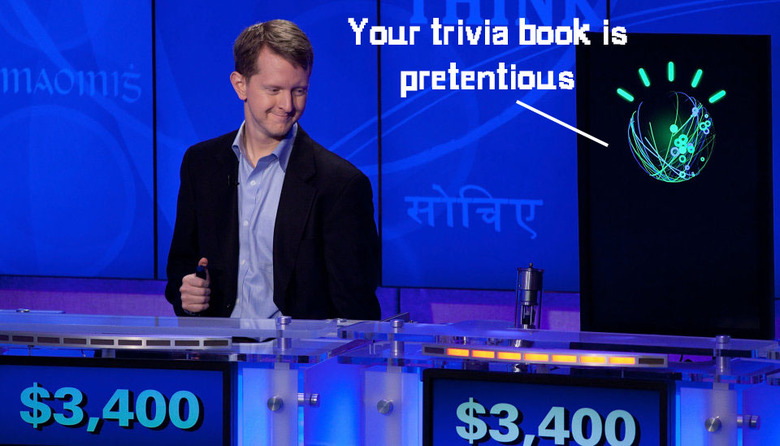
It's bad enough that robots are writing professionally (albeit badly), but now they're criticizing, too? IBM has unveiled the Watson Tone Analyzer, the latest tool in its "cognitive computing" suite of cooking, health, shopping and other apps. Once you input a piece of text, the system will perform a "tone check" to analyze three different aspects of it: emotional, social and writing style. Each of those is divided into further categories — for instance, it can tell you if your writing style is confident or tentative, and whether the emotional tone is cheerful, angry or negative. From there, it can give you a breakdown of the overall tone and suggest new words to "fix" it.
But why? IBM says in the same way that you spell-check a document, you can now "tone-check" it too. For instance, if you want an employee letter to be more "agreeable," Watson suggests changing the word "disappointing" to "unsatisfactory," and "difficult" to "challenging." By swapping out enough words, you eventually get the right level of "agreeableness" or "cheerfulness" in a passage. IBM thinks this could help, say, advertisers, to make sure a marketing campaign matches "the personality attributes of target customers." In other words, Watson can help companies hawk beer.
Playing around a bit, I found it occasionally helpful, but it fell down more often than not. The main problem is that Watson was missing context, especially for words that have multiple meanings. In the sentence "I know the times are difficult!" it nonsensically suggested "arithmetic operation" for "times." It also doesn't understand sarcasm, humor and other styles, and just picks out individual words to determine the tone.
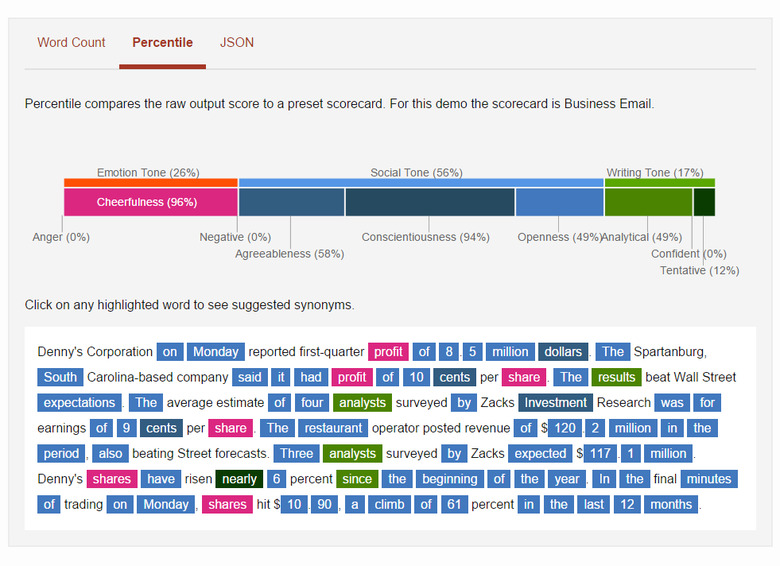
That said, the Watson Tone Analyzer is impressive considering that it's still experimental. For fun, I had it analyze a financial story generated by another robot, Automated Insights' WordSmith. If you'll recall, it wrote that story in a competition against an NPR staff writer, with readers judging the final result. Watson found Wordsmith's article unremittingly cheerful (96 percent), conscientious (94 percent) and analytical (49 percent). In other words, you'll get the facts, but you won't have any fun reading them. In comparison, Watson found the same story from an NPR writer to be negative (90 percent), but it was overwhelming voted more enjoyable to read — by humans, anyway.