

Advertisement
Advertisement
Advertisement

Six technologies changing the future of food

Seaweed-based packaging could replace plastic containers.
By Cat DiStasio

Food production, processing and transportation account for a tremendous amount of greenhouse gas emissions, and enormous amounts of food are wasted each year in some parts of the world while other regions suffer from shortages. Fortunately, agricultural engineers and scientists are working hard to increase food production, create cleaner agricultural processes and develop greener packaging. With technological advancements, it may be possible to sharply reduce carbon emissions from the agriculture and food industries while simultaneously addressing food supply issues.

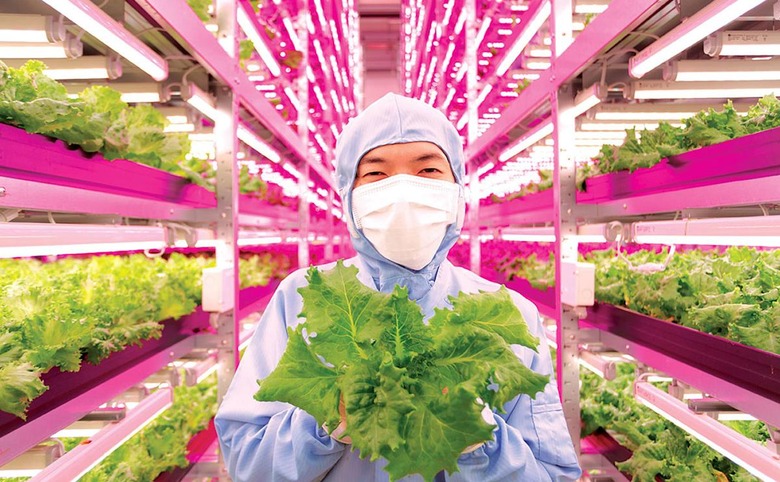
As climate change spurs fits of droughts and flooding in different areas of the planet, agriculture has become a much more tenuous industry. Perhaps the most exciting alternative is the rise of indoor farming, which brings hydroponic warehouses to urban centers and brings higher food production per square foot, as well as reduced costs and environmental impacts related to transportation.

Japanese plant physiologist Shigeharu Shimamura, CEO of Mirai Co., partnered with GE Japan to build the world’s largest indoor farm in Miyagi Prefecture in eastern Japan. The former Sony factory now houses high-tech hydroponics equipment that allows workers to harvest thousands of heads of lettuce each day.

Advertisement
Advertisement