

Expensive phone cases: When and why it's worth paying more
Do you really need to shell out big bucks for a rugged phone case?
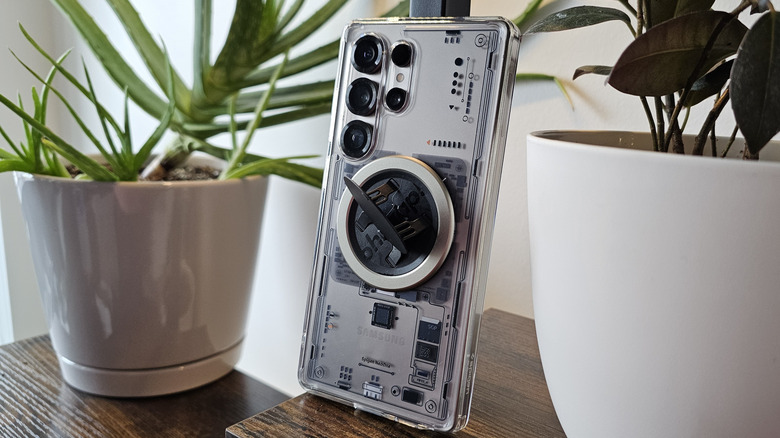
Thanks to the rising cost of memory and storage, smartphones are more expensive than they've ever been, and the prices won't be coming back down any time soon. Even budget phones are getting a price hike. Meanwhile, we rely on our smartphones to manage more of our lives every day. For an increasing number of people, a phone is a lifeline to work and family, a wallet, a keyring, a banking terminal and so much more. Breaking your smartphone is no small inconvenience, and it can be impossible to get back all the crucial data it contains. Let's be real: You probably weren't lucky enough to drop it down a sewer grate immediately after performing a complete backup.
It's no wonder that the vast majority of users choose to shield their phone with a case of some kind. A bit of plastic or rubber might not look as nice as a naked iPhone, but we all know that person who carries around an uncased phone with a shattered screen. Nobody wants to be that person.
But phone cases have a Grand-Canyon-sized range of prices. Some are suspiciously cheap, while others are so expensive you'd think they were made of solid gold. The price of a phone case doesn't necessarily correlate with its quality, and overpaying for a case that still doesn't save you from butterfingering your expensive pocket computer down a flight of stairs would only add insult to injury.
Thankfully, choosing a great phone case at the right price point doesn't need to be a guessing game. Once you know which materials and designs are the most protective, the only decisions left boil down to design and feature sets. Here's how to shop smart when choosing your next smartphone case.
Premium materials cost, but don't necessarily protect
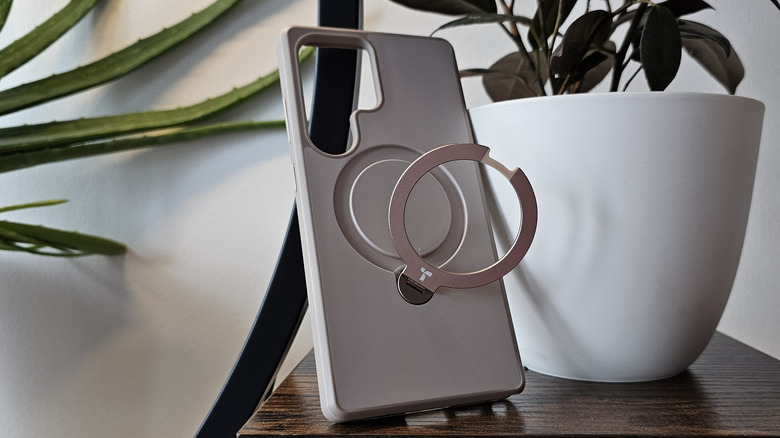
The first things to take note of when case shopping are materials and design. A good case absorbs the impact when you drop your phone and distributes it, much in the same way a bike helmet does. Absorbent materials are therefore of paramount importance. A case made entirely of rigid materials such as wood or metal may look nice and protect the phone from scratches, but it will prove entirely ineffective when dropped.
High-quality cases are most commonly made from plastics and rubbers. TPU plastic is very common because of its flexibility, affordability and manufacturability. Silicone is also common. That's good news, since it means you can get an extremely protective case for as low as $20 in many instances. However, these materials are also an environmental horror show. When future archeologists scour the ruins of our civilization thousands of years from now, most of the components in our phones themselves will have degraded, but our TPU cases will remain. Phone cases are proliferating in landfills at an alarming rate. Thankfully, the best eco-friendly phone cases have caught up to their plastic peers in terms of protection, even when using organic materials like flax and hemp or recycled plastic. On the other hand, you'll pay more for them.
Design matters too. A good case has tight tolerances, raised lips to prevent scratching the screen or camera lenses when placed on a surface, and reinforced corners with small air cushions. The latter are to prevent a phone that lands on its corner from concentrating the entire impact of the blow into that small area.
Extra features can add extra cost
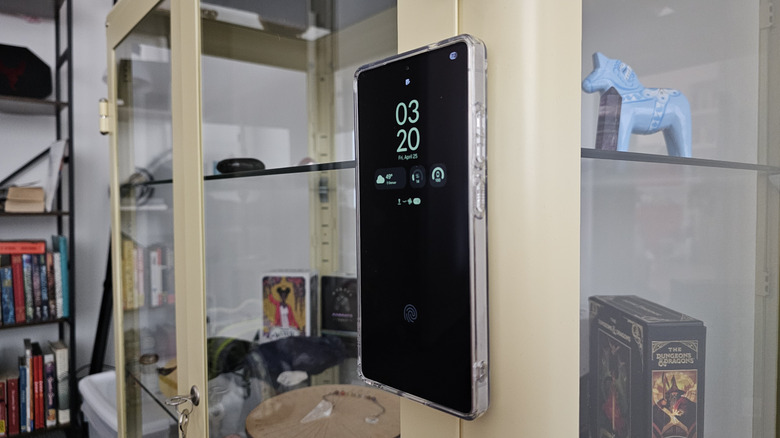
Once you've identified a well-built case, the rest of the price consideration comes down to aesthetics and feature sets. For instance, if you want to use MagSafe chargers and accessories with your iPhone 17 case, ensuring it has a magnet ring is non-negotiable and may add a few bucks to your bottom line. To extend the example, not all magnets are created equal. If you're just looking to plop the phone on a charger, your options are cheaper than if you need it to stick to a refrigerator. You can also expect to pay a premium for a built-in credit card holder, kickstand or camera cover.
Some technically adventurous features may justify an inflated price on their own. Take the Pitaka 600D, which is less protective than cases from competitors like Spigen or Dbrand but nonetheless commands a $60 price tag at the time of this writing. It uses NFC to add a row of highly customizable physical shortcut buttons to the side of an Android phone. We can't speak to its actual performance, but it's hard to argue with the price premium the NFC feature adds.
Some vendors, especially those whose brand images rest on perceived quality, may charge more for intangibles like a lifetime warranty. When Dbrand launched its Ghost line of clear cases, it promised to replace them for free if they ever turned yellow. When the design decisions they made led to scratches, the company churned out a new design and sent it to customers for no additional cost. Brand name is not irrelevant. The more well-known a brand is, the more able you are to research their products and see whether their claims stand up to real-world use.