

Suno is adding audio watermarks so AI-generated songs are more easily identifiable
Suno will also set new download limits to prevent mass distribution of songs and combat fraud.
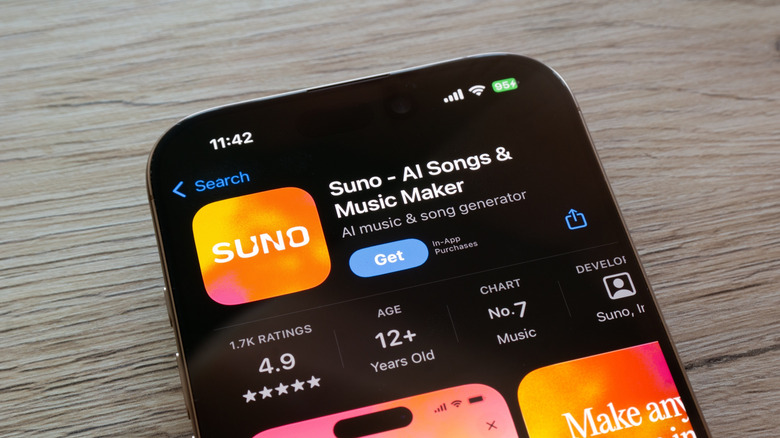
The AI music generator Suno has announced that it will start watermarking songs created on its platform, amid a number of legal battles and increasing pressure from the music industry. Suno co-founder and CEO Mikey Shulman said in a blog post that the platform's new "transparency tools" will include some kind of labelling system that shows people if a song has been generated on Suno when it appears on another platform. Details are vague, but Shulman said his company will adopt "new audio watermarking and fingerprinting technology" that helps it resist AI fraud more effectively.
It sounds similar in principle to Google's SynthID, which allows AI-generated content to be traced back to its origin even after editing or compression has taken place, but it's not clear exactly how Suno's solution will work. Shulman did add that he and his company believe that it should ultimately be at the discretion of artists and platforms to decide whether they communicate when something was made with AI.
As well as the new watermarking system, Suno will also set download limits designed to tackle the mass distribution of AI songs on streaming platforms. Again, detail on this is light in the company statement, but it comes in the wake of a coalition of major music labels, including the big three of Sony Music, Universal Music Group and Warner Music Group, calling for AI slop tracks that are flooding music charts across the world to be disqualified from entering them.
Alleged copyright infringement was the basis for a number of lawsuits against AI music generation companies including Suno and Udio over the last few years, who were accused of training models on music they didn't have permission to use on a "massive scale." In November last year, Warner Music reached an agreement with Suno that allows the company to license WMG artists' music and their likenesses, ending what had been an ongoing legal dispute.
Suno insists that it does not use artist names in its training metadata and won't allow users to use specific artists or copyrighted songs when entering a prompt, but just this week a German court sided with the licensing agency Gema on accusations of copyright violation against the platform. As reported by Reuters, the Munich-based court ruled that Suno trained its systems on protected music that it didn't have the rights to use, a decision Suno disagreed with and may yet appeal.
In its blog post published today, Suno said it's working with content recognition and data companies Audible Magic and Musixmatch, as well as other third-party companies, to screen uploaded audio files and lyrics for potential misuse.