

Why your Wi-Fi speeds can drop in the evening, and what to do about it
The internet gets slower when everyone is trying to use it, but you have some workarounds.
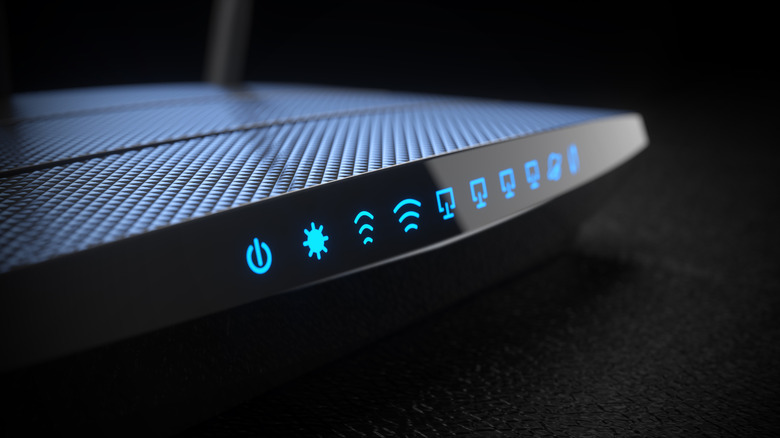
One of the most frustrating parts of troubleshooting slow Wi-Fi is that almost by nature, network conditions are rarely consistent. Say you're trying to diagnose issues with poor video quality on Netflix. Router issues could be to blame, but there might also be trouble with your internet service or the infrastructure on Netflix's end. You might also discover that your spouse is torrenting files en masse, leaving little bandwidth for a 4K HDR stream.
Some consistency, albeit unwanted, can come in the form of evening slowdowns. It's a terrible "coincidence:" you just got off work and all you want is to kick back with a movie or game, but your speeds are way slower than usual. Or maybe you work from home in the evenings and suffer from low-quality video calls.
As it turns out, the explanation for these slowdowns is relatively straightforward. Solving them can be harder, possibly dependent on power-cycling equipment or reconfiguring your apps and setup. But ultimately, you may be dependent on the whims of your neighbors.
The causes of evening slowdowns, and how to fix them

The source of the problem is most likely a traffic jam. Unless you live in a rural area or an especially sparse suburb, there are other like-minded people nearby, probably coming back from work (or school) at roughly the same time and getting online. With cable internet, this increases overall congestion because many houses in the same neighborhood share bandwidth. It's not as much of a problem with fiber internet, which offers far greater bandwidth.
Tons of people getting online simultaneously also increases competition for the frequency bands Wi-Fi routers share in common. In a large apartment complex, there may be dozens or hundreds of devices fighting to compete on the same frequencies.
One potential fix is power-cycling your modem and router. Unplug them for at least 30 seconds, then plug them back in again, waiting for the modem to reconnect before restarting your router (assuming it's a separate piece of equipment). Doing this forces the devices to clear their caches and acquire fresh, potentially more optimal connections. The results aren't guaranteed to be faster, but they can be, and it's unlikely that performance will get any worse.
If you haven't already, you might also consider changing router settings to create separate SSIDs (network names) for each of your router's bands, then forcing your most data-hungry devices over to 5GHz or 6GHz if they support it. That's because the 2.4GHz band is not only popular, but long-range, and easily congestible due to the way its channels work. It's even vulnerable to interference from other electronics like appliances and Bluetooth devices. It's best to reserve 2.4GHz for smart home accessories, which need range more than raw speed, and can afford to blip out for a second or two.
Changing your network usage habits may be inevitable
Realistically, you may sometimes have adapt your lifestyle to network conditions, rather than the other way around. This might be limited to using your own internet bandwidth more wisely when everyone is at home using it, or it could require you working around what your neighborhood is doing.
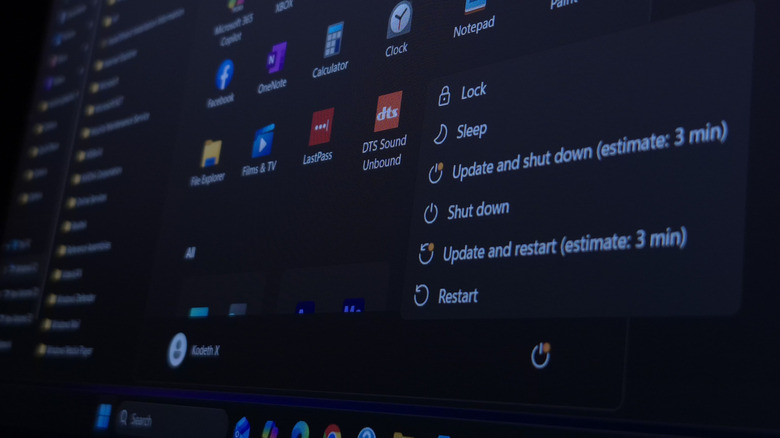
Have software updates run overnight, rather than downloading them immediately. Configuring updates to be automatic can do the trick, as many platforms rely on your usage habits to pick the ideal window. If this isn't reliable, either schedule them or make it a habit to manually checking for updates before you go to bed. The same goes for file downloads in general — it can be almost cruel to your neighbors to start torrenting during waking hours. Don't run huge cloud sync operations when everyone else in your family is online.
Postponing some activities by an hour or two may be enough. Think about what the people around you are probably doing. When a popular show has a new episode, trying to stream it the instant it goes live can be an exercise in futility. Likewise, if you're trying to play an online game like PUBG or Galactic Racer, consider waiting until most school-aged kids are off to bed.
Lastly, consider switching some devices over to wired Ethernet if they support it and don't need mobility. While going wired won't solve issues with general internet traffic, Ethernet is effectively invulnerable to range or band congestion woes, which means more stable connections for gaming and faster download speeds on computers. The biggest concern is running cables to reach your router.