

Apple HomePod mini 2 vs. Apple HomePod mini: What do you get for the $50 increase?
The main differences are Siri AI, a new chip and Sound Glow.
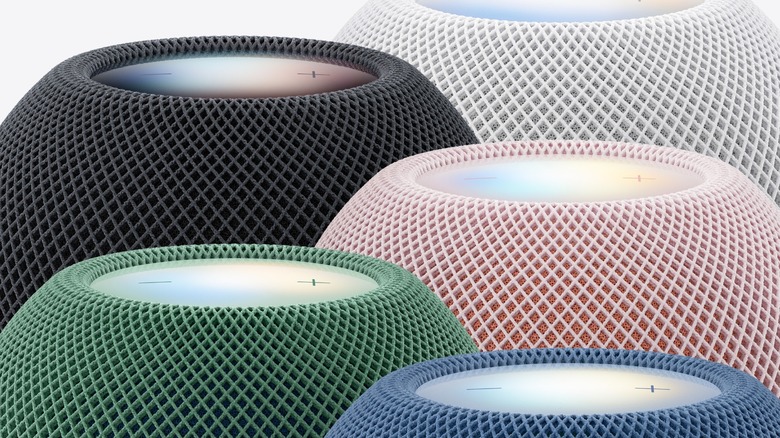
At its 'Welcome Home" event today, Apple unveiled the HomePod mini 2 — a long-awaited update to its smart speaker, which hadn't been updated since its launch in 2020. On the outside, it looks pretty much the same, but the new model comes with some cool surprises on the inside. You get Siri AI and a few other features for those living in the Apple ecosystem — but all of this comes at a price. The HomePod mini 2 costs $149, which is $50 more than the original's launch price six years ago. Are the updates are really worth the extra cost? Should owners of the first HomePod mini upgrade? Let's break down the differences to find out.
What's new on the HomePod mini 2

The main difference between the HomePod mini 2 and the original, at least from a hardware standpoint, is its processor. The new model's Apple S10 chip replaces the S5 from 2019, which was the same chip found in the Apple Watch Series 5. The S10 is more powerful and enables Siri AI for the first time on a HomePod — though the smarter assistant won't be available at launch. But how it works on the new HomePod mini 2 also depends on which phone you have.
By default, Siri AI on the HomePod can conduct natural conversations and answer general knowledge questions more accurately than its predecessor. Of course, it can also play songs and podcasts just like before, but now you can do so with more natural voice commands. For example, you could ask it to play only the surprise songs from Taylor Swift's The Eras Tour — something the old Siri can't do. But here's the catch: to get personalized context, the HomePod mini 2 needs to be paired with an iPhone or iPad with Apple Intelligence. With a compatible device, you'll get even more features with Siri AI, such as responses based on your emails, messages and calendar.
Another subtle but cool new feature is Sound Glow. Just like before, the HomePod mini 2 has a touch-sensitive surface for media controls with glowing lights. But now, the lights will sync with the music playing and react to the bass and treble, using colors from the album artwork. Sound Glow is also another feature that requires pairing the HomePod mini 2 with an iPhone or iPad running Apple Intelligence.
Apple didn't mention any new drivers or significant acoustic improvements, but it claims that the S10 chip enhances what it calls computational audio. For instance, you can now set up a surround sound system using four HomePod mini 2 units or a pair of HomePod mini 2 and another couple of HomePod 2 (the bigger one), all connected to the new Apple TV.
Is it really worth paying extra for the HomePod mini 2?

Whether the HomePod mini 2 is worth the price really depends on how you use your speakers. If you already have a bunch of HomePod minis in your home, don't rush to upgrade them all at once — especially since Siri AI won't be available until later this year. Enhancements like Sound Glow are cool, but they don't really add much to the experience you already have with the original HomePod mini, especially since there aren't real upgrades to the sound system. Of course, if you're already in the market for a new HomePod mini anyway, you should definitely get the new model.
The upgrade starts to make more sense for those planning to build their own home theater system with Apple TV and HomePods. The ability to pair two sets together to create surround sound setups seems promising, especially since the speakers detect their position in the room to automatically calibrate the audio. Also, Mac users will finally be able to use a pair of HomePod mini 2 as their default speakers, with low latency and even the ability to use the built-in microphones for FaceTime calls. If all these features strike you as appealing, the extra cost might end up being worth it.