Jose Andrade

Engadget Editorial Policies

The unique content on Engadget is a result of skilled collaboration between writers and editors with broad journalistic, academic, and practical expertise.

In pursuit of our mission to provide accurate and ethical coverage, the Engadget editorial team consistently fact-checks and reviews site content to provide readers with an informative, entertaining, and engaging experience. Click here for more information on our editorial process.

Stories By Jose Andrade

  • HomeKit does indeed make the August Smart Lock more useful

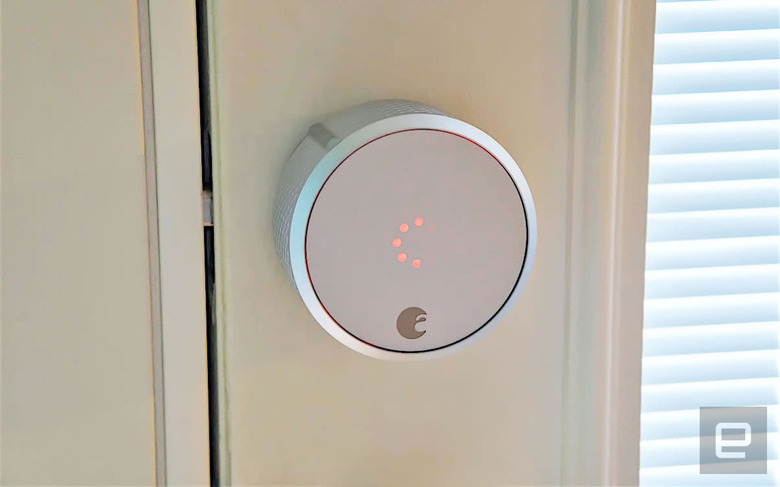
    The August Smart Lock is not new. We reviewed it way back in 2014, and for the most part, everything we mentioned then still applies. The lock is still super easy to install, and it still works with deadbolts, not knobs. Most importantly, using an app instead of physical keys can still be an adjustment, but being able to control your lock remotely really is an interesting convenience. So why bother revisiting, then? Because two years post-launch, it's finally been upgraded with HomeKit integration. Since Engadget hasn't actually tested many HomeKit devices yet, we thought this one was worth a second look.

    By Jose Andrade Read More
  • What you need to know about HTTP/2

    Look at the address bar in your browser. See those letters at the front, "HTTP"? That stands for Hypertext Transfer Protocol, the mechanism a browser uses to request information from a server and display webpages on your screen. A new version of the reliable and ubiquitous HTTP protocol was recently published as a draft by the organization in charge of creating standards for the internet, the Internet Engineering Task Force (IETF). This means that the old version, HTTP/1.1, in use since 1999, will eventually be replaced by a new one, dubbed HTTP/2. This update improves the way browsers and servers communicate, allowing for faster transfer of information while reducing the amount of raw horsepower needed.

    By Jose Andrade Read More
  • What is the Shellshock Bash bug and why does it matter?

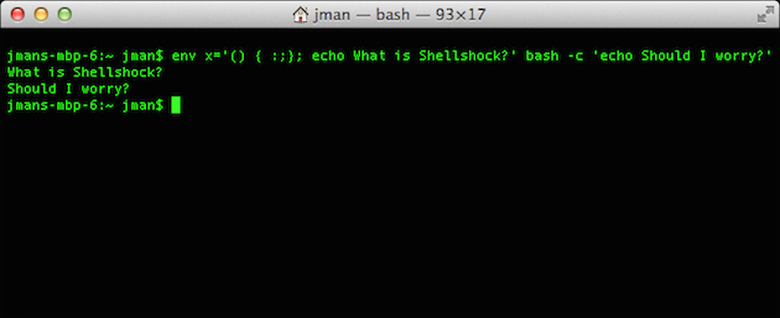
    By now you may have heard about a new bug found in the Bash shell. And unless you're a programmer or security expert, you're probably wondering if you should really worry. The short answer is: Don't panic, but you should definitely learn more about it, because you may be in contact with vulnerable devices. This bug, baptized "Shellshock" by Security Researchers, affects the Unix command shell "Bash," which happens to be one of the most common applications in those systems. That includes any machine running Mac OS X or Linux. The "shell" or "command prompt" is a piece of software that allows a computer to interact with the outside (you) by interpreting text. This vulnerability affects the shell known as Bash (Bourne Again SHell), which is installed not only on computers, but also on many devices (smart locks, cameras, storage and multimedia appliances, etc.) that use a subset of Linux.

    By Jose Andrade Read More
  • OpenSSL bug allows hackers to see private communication

    The world hasn't yet recovered from the Heartbleed vulnerability in OpenSSL and now there's news of a new bug affecting the popular open-source security package. This recently announced, and already patched, exploit could allow an attacker to see and modify traffic between an OpenSSL client and an OpenSSL server. This sounds worse than it really is. The extent of the issue is extremely limited because we're talking about specific versions of OpenSSL server. Plus, you need to be using that same server software on a client application, and the attack itself is quite a complicated affair.

    By Jose Andrade Read More
  • TrueCrypt development stopped amid a cloud of mystery

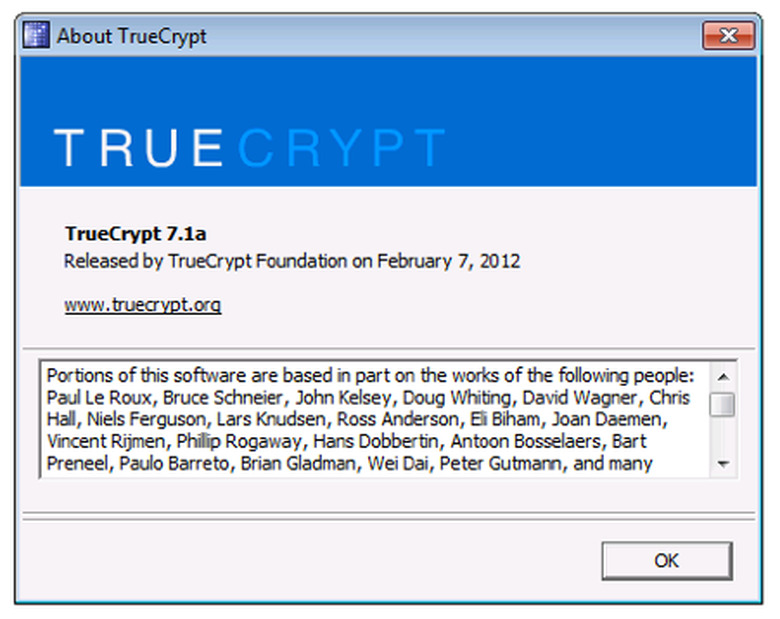
    Last Wednesday the SourceForge page for popular open-source disk encryption software TrueCrypt started recommending the use of BitLocker on Windows instead. Visitors were told that the application was "not secure" anymore. Of course, social networks exploded with speculation, with people claiming the page was hacked or that the government, using a National Security Letter, might be requesting "changes" on the software. The truth is much more mundane: a developer of TrueCrypt confirmed to Reuters that it had been shut down out of boredom. Security researcher Steve Gibson said that after 10 years of work, the developers simply got tired of the project.

    By Jose Andrade Read More
  • What you need to know about online advertisers tracking you

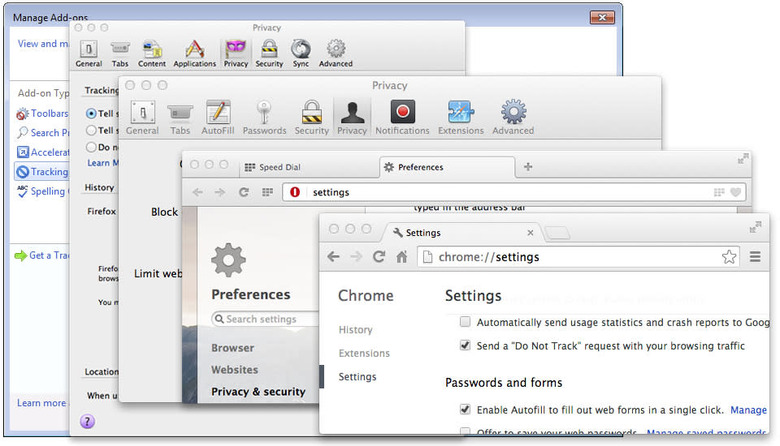
    Spend lots of time online? Then perhaps you've heard of targeted advertising, "Big Data" analysis and complaints of privacy violations by advertising companies. The ads above your Gmail inbox? Yeah, those. As it turns out, most people don't like being tracked by advertisers. Surprise! As such, a variety of tools exist to protect individuals. But what about a solution that anyone could use, that didn't require knowledge of cryptography or even a software install? That's where the Do Not Track initiative comes in. Do Not Track (DNT) is explained by its own name: Don't track what I do online, including what I buy, what I read, what I say and who I communicate with. But how should it work? Therein lies the controversy. Since the subject is still being debated, now's the perfect time to learn about it, voice your opinion and request more control over your data. If you want more control, that is.

    By Jose Andrade Read More
  • ​What is Heartbleed, anyway?

    If you're an IT professional, gadget blogger or token geek in your circle of friends, chances are, you've been hounded relentlessly over the past couple of days about "this Heartbleed thing." "Do I need to update my antivirus?" "Can I login to my bank account now?" "Google already fixed it, right?" We've heard them all, but the answers aren't all that clear or simple. In an attempt to take the pressure off -- it is the weekend after all -- we've put together a primer that should answer all of those questions and a few more. Next time someone asks you about that "Heartbleed thing," just shoot them in our direction.

    By Jose Andrade Read More
  • Wi3 Wipnet may solve your connectivity complications at home, for a price

    The Moca (Multimedia over Coax Alliance) standards haven't yet solved our home networking problems, but things may be about to change. Wi3 is here at the CES 2012 to exhibit its Wipnet technology, which can use your home's coax backbone to transmit data at a speed of up to 175Mbps. The devices should go for sale in April, with four different configurations with one or two Ethernet ports (Wip1000 and Wip1500), Ethernet and WiFi (Wip2000) or Ethernet and HDMI (for client / server services – Wip2500), and with a price of about $175 without WiFi, and additional $50 for the wireless option. They may also be included in wall sockets, on wall mounts or even on standalone boxes for small New York apartments that can't be reconfigured. The Wi3 people are also developing a box that can send the power over coax, beside additional services (like internet connectivity), but for now each box needs to be powered independently, and they also have a different filter to make sure your data does not leave your home using the neighborhood coax lines. Like what you see? Don't judge till you peek the shots below.

    By Jose Andrade Read More
  • Video: ASUS Eee D200 explained on video

    Somehow we missed the Eee D200 when we first visited the ASUS booth. A return this morning confirms our suspicions that this strange looking device is nothing more than a NAS media server with a touch screen. Remote administration is available, as well as four USB and four Ethernet ports. Don't miss the pictures in our gallery and the video posted after the break. %Gallery-41383%

    By Jose Andrade Read More
  • Forget about the mouse, use your hands with the ZCam from 3DV

    The ZCam is combination of hardware and software from 3DV Systems. It'll allow you to control the windows on your desktop, simply by moving your fingers (like a poor guy's Minority Report). At the CES they are showing a working prototype (Windows only), which uses USB 2.0 and up to 60fps, and with its 3D recognition technology, the user can bring elements back and forth, and more importantly, play videogames. It is expected to be on the market by the end of the year, for a "competitive price".[Vía Engadget ES]

    By Jose Andrade Read More