Susan Arendt

Engadget Editorial Policies

The unique content on Engadget is a result of skilled collaboration between writers and editors with broad journalistic, academic, and practical expertise.

In pursuit of our mission to provide accurate and ethical coverage, the Engadget editorial team consistently fact-checks and reviews site content to provide readers with an informative, entertaining, and engaging experience. Click here for more information on our editorial process.

Stories By Susan Arendt

  • Best of the Rest: Susan's picks of 2014

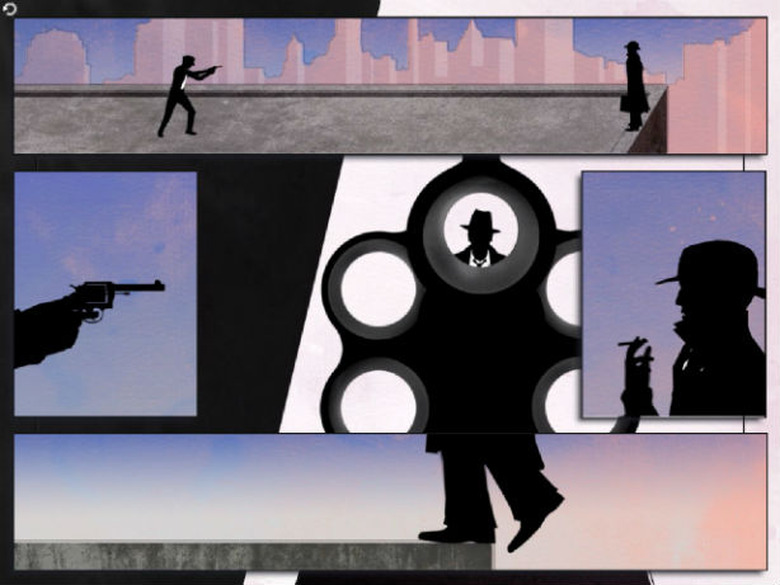
    ATTENTION: The year 2014 has concluded its temporal self-destruct sequence. If you are among the escapees, please join us in salvaging and preserving the best games from the irradiated chrono-debris. Framed Framed is so elegant and simple that it needs not a single word to teach you how to play. If you understand the basic function of the panels in a comic book and are able to poke things with your finger, you will swiftly understand the basics of how to make things happen in this brilliant mobile game. Arrange the panels one way, and your spy makes a daring escape from the police; position them another way, and he emerges from the wrong door right into the hands of the law. From the very first level, which uses just two panels to illustrate how switching the order of the comic can change the outcome of its events, Framed builds on its simplicity, adding more panels, directionality and timing to create more complex puzzles in its stylish spy-vs-spy thriller. Each page of the comic is a puzzle complete unto itself, making Framed perfectly designed for short bursts of inspiration, or restricted play time. It's one of those games that's so damn clever, you wish you'd thought it up yourself.

    By Susan Arendt Read More
  • I'm delighted to hate Sunset Overdrive

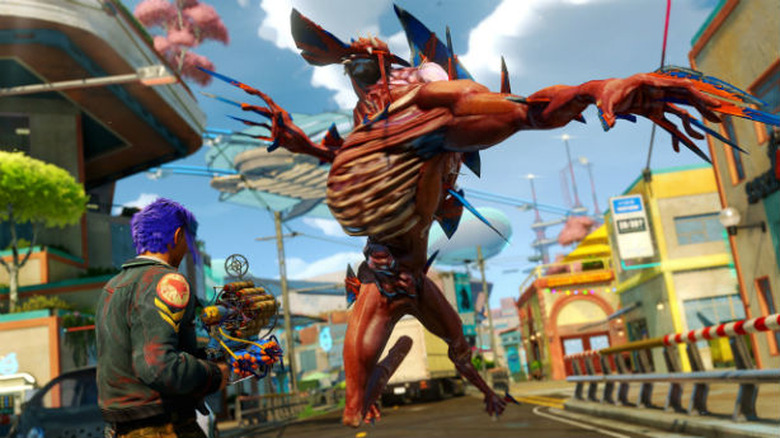
    I really, really can't stand Sunset Overdrive. Pretty much everything about it bugs me. I don't mean that I simply don't enjoy it, or that it's a love/hate kind of relationship like one would have with Dark Souls. No, I mean that it is finely tuned to aggravate and frustrate me every moment that I play it. Which, upon reflection, is kind of great. When you play a lot of games, you do start to worry about self-fulfilling opinions and echo chambers. You begin to wonder if you really like that game as much as you think you do, and when you do like something you begin to wonder if you really know why. To be any good as a critic, you need to constantly recalibrate your sensors, and so it's important for a game like Sunset Overdrive - whatever your version of that may be - to come along every now and again and remind you that your tastes are more than just a formula into which various developers can plug new guns and landscapes.

    By Susan Arendt Read More
  • Lara Croft and the Temple of Osiris review: Danger zone

    Xbox One, PlayStation 4, PC If you've got some friends over and are itching for game that requires teamwork, coordination, planning and lots and lots of yelling, then you'll be well pleased by Lara Croft and the Temple of Osiris, the isometric-view follow-up to the excellent Lara Croft and the Guardian of Light. Quick tip about the yelling before we move on: Urging your friend to "go there and stand on the THING" really isn't nearly as helpful as it sounds in your head. The gist of Temple of Osiris is that Lara and rival archaeologist Carter started a chain reaction of whoops when they grabbed the staff of Egyptian god Osiris, an ancient and (surprise!) magical artifact. First, they released Osiris' wife, Isis, and her son, Horus (also gods), from imprisonment, which is the good news. The slightly less great news is that they also gave the evil Set (yep, he's a god, too) a way out of Duat – the underworld – where he'd been trapped ever since he chopped his brother Osiris into pieces and scattered him around Egypt. As if that particular family reunion wasn't awkward enough, a giant crocodile named Ammit has you marked for death and won't stop coming for you until you've been eaten in one gulp. The solution to your croc-entree problems is to track down the pieces of Osiris and restore him to power so that he can take down his brother Set. His pieces are hidden in a number of trap-laden tombs teeming with giant scarabs and undead nasties. As fate would have it, though, Lara just happens to have some expertise in this area.

    By Susan Arendt Read More
  • The best game about depression stars a homicidal toy bear

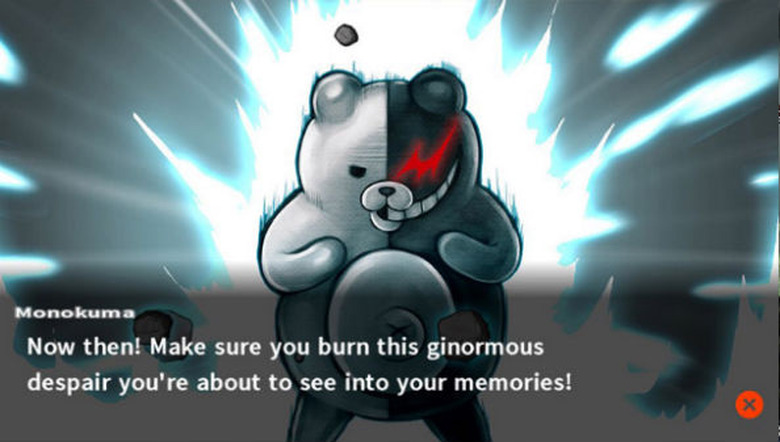
    Whether it's because you can't afford to give the gifts that society says mark you as a good person, or because you're missing someone who used to be at your celebrations, or even just because it's cold and dark, depression can hit particularly hard during the holidays. One of the biggest problems with depression is trying to explain it to people who've only ever experienced the transitory kind that everyone faces at some point in their lives - the kind that hits after a breakup or a loss. They tend to think that depression means you're sad and just need a good cheering up. If you're suffering this holiday season, rather than suffer through another round of suggestions that you "shake it off," consider handing your well-intentioned friends a Vita and copies of Danganronpa:Trigger Happy Havoc and Danganronpa: Goodbye Despair and let Monokuma explain how depression really feels. I'm as surprised as you are that a game starring a homicidal mechanical bear would be a good instructor on the nuances of mental health, and I rather doubt it's what the developers had in mind, but Danganronpa does a surprisingly elegant job of conveying what it can be like to live with depression. In case you're not familiar with the games, they involve a group of exceptional students who are kidnapped, have their memories erased, and are forced to kill each other if they ever want to return home. Admittedly, it's a situation that just about anyone would find depressing - murder someone or never see your loved ones ever again - but the most important part is the villain of the games, known as the Ultimate Despair. Every one of the students is the Ultimate Something-or-other - baseball player, programmer, swimmer, traditional dancer - but the villain's speciality is making people feel despair on such a deep level that they lose all hope. In that state, they become part of the Ultimate Despair's terrorist network because, really, why not? When you don't see the point in anything, does it really matter if you destroy entire cities or kill yourself? Nothing's ever going to get better anyway. It's an extreme depiction that serves the over-the-top nature of the game, but it's a pretty apt description of what it's like to live with depression.

    By Susan Arendt Read More
  • Game of Thrones Episode One review: Baptism by ice

    Xbox One, Xbox 360, PlayStation 4, PlayStation 3, PC, Mac, iOS The good news about Telltale Games' Game of Thrones is that it is very, very Game of Thrones. It captures perfectly the machinations, intrigue and violence that are the hallmark of the show - which is why, of course, its fidelity to its source material is also the bad news. You can say all the right things and still have everything go horribly wrong, your fate changing irreparably because of someone's malicious whim. It makes for a faithful adaptation of the popular HBO show based on the even more popular series of books, undoubtedly filling some players with despair and others with a fire to claw their way to the Iron Throne. Telltale's Game of Thrones absolutely assumes that you are not only familiar with the show (or the books, potentially, though the game is very much based on the world created by the show, using voices and likenesses of the cast) but also fairly up to date. Without getting into spoiler territory, when the game begins, Joffrey isn't married, but Robb Stark is, and if the significance of either event is lost on you, you'll be baffled by most of what happens in the episode. The game makes no effort to explain to newcomers what a Maester or Septa is, why cozying up to Tyrion is not without its complications, or why it would be bad to be brother and sister the way Jamie and Cersei are. It doesn't take a devotee of the show to grasp the import of bad people tormenting decent people, but the nuance will be lost and, in Westeros, nuance is often the difference between life and death.

    By Susan Arendt Read More
  • Persona Q review: When worlds collide

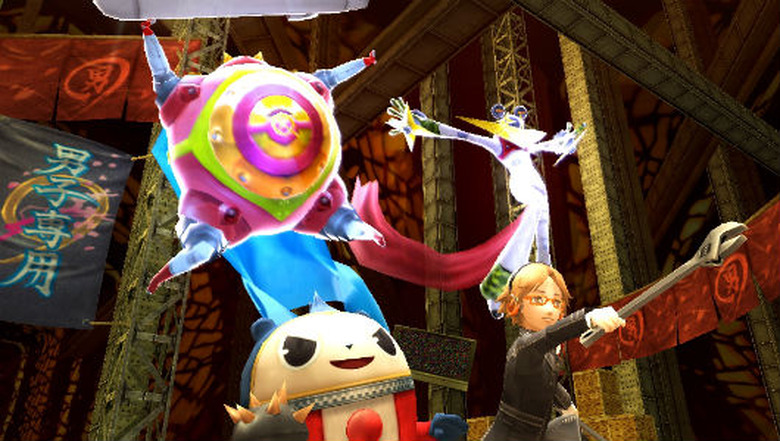
    3DS When I began playing Persona Q: Shadow of the Labyrinth, I expected it to be a time-biding knockoff of the Persona franchise, meant to placate rabid fans until Persona 5 finally emerges and provides fresh meaning in our lives. (We Persona fans are a little intense, ok?) I admired the super-cute art style and was naturally pleased to see the familiar characters, but a crossover with Atlus' other long-running RPG series, Etrian Odyssey, didn't seem like a good fit, except perhaps as a marketing ploy. I was completely, totally, utterly wrong. Persona Q is a brilliant game in its own right, more than able to take its place in the Persona lineage, taking the best elements of each franchise and combining them into an addictive, hour-devouring experience.

    By Susan Arendt Read More
  • Dragon Age: Inquisition's women, and the remarkable ordinary

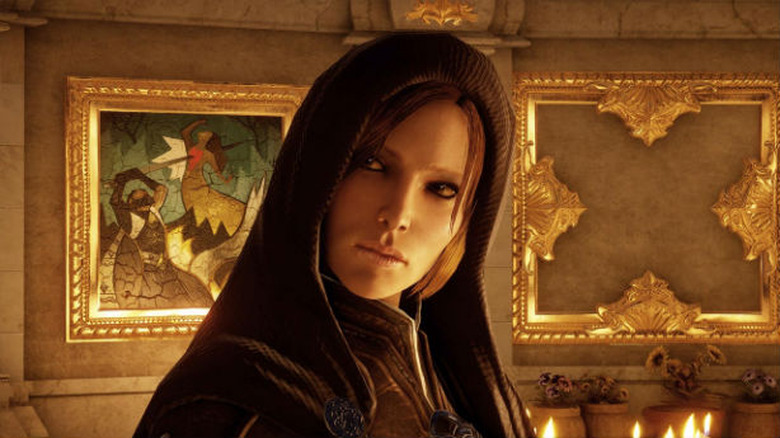
    This article is spoiler-free. There's this scene early in Dragon Age: Inquisition when you, as the Herald of Andraste, gather your advisors around the war table and talk about what the Inquisition's next move should be. Your council is a pretty savvy lot. You've got a Seeker of the Chantry, wise in the ways of the church; a Spymaster, with eyes and ears seemingly everywhere in Thedas; an Ambassador, who understands the necessity of playing politics; and an ex-Templar, training soldiers for those times when diplomacy and manipulation aren't enough. It's not actually that important of a scene, as the war table serves as the menu for choosing side missions that earn you extra goodies like Inquisition perks and coin, so you'll see your posse take their places around the table quite frequently. What struck me, though, is that in my version of the game, four out of the five people at the table are women.

    By Susan Arendt Read More
  • On my iPad: The Sailor's Dream

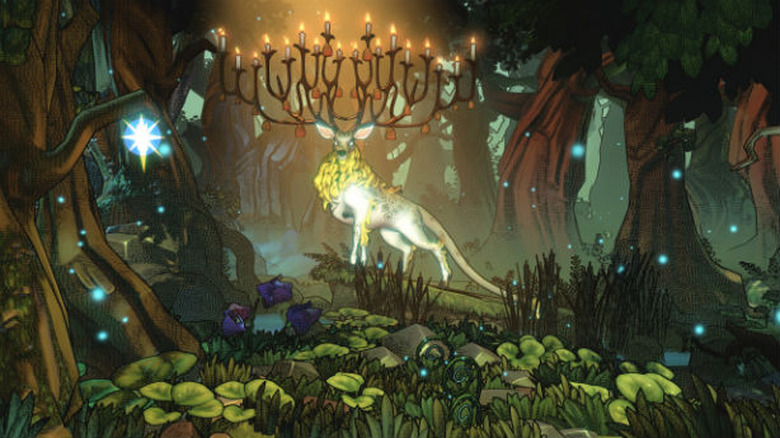
    This is On my iPad, a quick look at an iOS game we think you'll enjoy. When I was little, my favorite books were pop-up books, where you'd pull a tab or turn a dial and something would happen on the page: Knights would ride jauntily across the space to attack a dragon, or the sun would set and the moon would rise. It felt like the book was coming to life right in my hands, a tiny kind of magic. The Sailor's Dream is the modern evolution of that kind of storytelling, casting you in the role of storyteller as you pull at the seams and make the tale of a sailor and his lady love come to life. It's difficult to classify The Sailor's Dream as a game, per se, though it has some puzzle-ish elements to it. It is, first and foremost, a story, though one that relies on the player to do some exploration and discovery in order for it to be told. Upon opening The Sailor's Dream, you'll find yourself at sea, floating amongst several different islands. Swiping to either side allows you to select different islands, home to the Secret Lighthouse or the Faraway Ruins. A quick swipe up and you land on the island, free to follow the paths to its different locations, such as The Creaking Stairs or The Lost Hallway, by swiping in the corresponding direction. Some paths simply lead to lovely visuals, like a room filled with tiny, firefly lights or a geometric shape that warps the music when you tug on its points. Each island holds an important piece of the sailor's tale, and some islands hold even more, if you can figure out how to unlock their secrets.

    By Susan Arendt Read More
  • Fantasia: Music Evolved review: The rhythm is gonna get you

    If you've seen the movie Fantasia, you know the bit where Mickey, the Sorcerer's Apprentice, puts on his robe and wizard hat and tries to make magic happen, arms sweeping grandly through the air. Things eventually get out of hand, of course, but for a brief while, Mickey feels the euphoric glee that comes with mastering something really difficult, and in its best moments, Fantasia: Music Evolved makes you feel the exact same way. Pulling off its complicated combos makes you feel like an honest-to-goodness wizard, bending the forces of light and music to your mighty will. Best of all, no pesky brooms to clean up if you miss a beat. The game doesn't really bear all that much resemblance to the movies that shares its name, though cranky sorcerer Yen Sid does make an appearance. You are indeed his apprentice, but your job is to clean up the noise that's cluttering several different areas of the world after Scout, another protege of Yen Sid, accidentally releases it by trying to get a peek at her future. She'd be happy to clean it up herself, but she doesn't have the magic that you learned as the sorcerer's apprentice, so it's on you to restore the music to each location. As cleanup duties go, it's way more fun than mucking about with a bucket and broom.

    By Susan Arendt Read More
  • The Evil Within review: Keep out

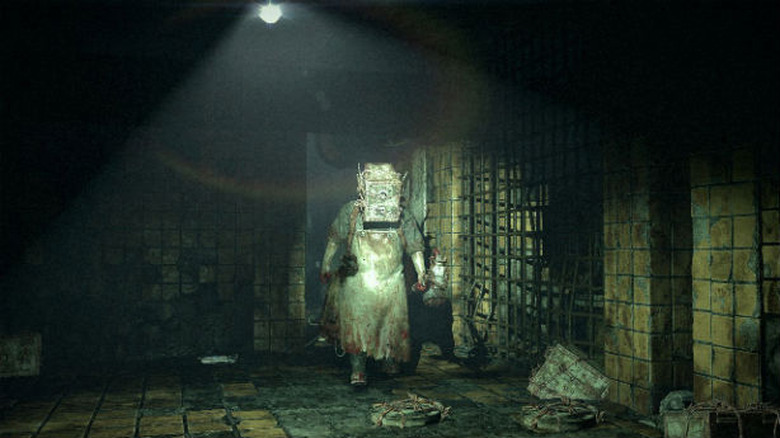
    Xbox 360, PS3, PS4, Xbox One, PC Misplaced expectations can destroy your enjoyment of a game before you ever pick up the controller. Thinking of The Evil Within as a horror game, then, would be a misstep, because while it's certainly awash in grotesque imagery, it places far more emphasis on combat and stealth than it does creating an atmosphere of dread. Sadly, thinking of it as an action title won't really improve your chances of enjoying it, as the sloppy controls and hackneyed design ensure that it's a nonstop exercise in aggravating tedium, but at least your disappointment will be more accurate.

    By Susan Arendt Read More
  • A mindset to match The Evil Within

    I think a lot about mental health. Partly because I co-founded a charity dedicated to increasing empathy and education about mental health issues, but mostly because I love horror games like The Evil Within. Zombies and ghosts and demons are fun, of course, but what I really like is a good old-fashioned psycho killer. See? "Psycho," as in "crazy," as in "mentally ill." Part of The Evil Within, like so many other horror games, takes place in an abandoned mental asylum (they're always abandoned and left to decay, never bulldozed and turned into condos). There is a stigma about mental health that prevents people from seeking care, and even though I believe the way mental health is portrayed in entertainment is a big factor in maintaining that stigma, I still love me some crazy bad guys. So, I think a lot about mental health.

    By Susan Arendt Read More
  • Danganronpa 2: Goodbye Despair Review: Magically malicious

    A game with new ideas, even bizarre ones, can be a refreshing palate cleanser after playing so many shooters, platformers, and RPGs, and Vita exclusive Danganronpa: Trigger Happy Havoc certainly had new ideas. Combining brain-tickling courtroom drama with finger-breaking twitch mechanics, it was an odd game whose story ultimately won out over its discordant mechanics. Its sequel, Danganronpa 2: Goodbye Despair, doesn't stray terribly far from the original, except to add more weird mechanics apparently just for the sake of being weirder. Its well-crafted story still makes it worth pursuing all the way to the end, but it tries its hardest to annoy you with aggravating game styles before you get there.

    By Susan Arendt Read More
  • On my iPad: 80 Days

    My iPad is rapidly becoming one of my favorite gaming platforms. It's lightweight, has a nice big screen, and there's a wonderful variety of gaming experiences available for it. The app store, on the other hand, is a nightmare, and finding quality games in there just by poking around is nearly impossible. I find most of my favorite stuff via word of mouth or just plain dumb luck, which is a less than ideal methodology. With "On my iPad," I'll point you to some games that I've found to be worth checking out. They may be new or just new to you, but hopefully you'll discover something that you'll enjoy. The iPad's lush screen and touch controls make it an alluring gateway to interactive fiction, including the exceptional 80 Days from inkle. Based on that mainstay of summer reading lists, Jules Verne's Around the World in 80 Days, 80 Days is a masterful example of the new generation of IF, blending dynamic presentations of text with gorgeous graphics and scene-setting music. It more or less follows the basic premise of the book, in which Phileas Fogg bets his buddies that he can circumnavigate the globe in the titular amount of time. You don't have to consider yourself a fan of literature or even reading, per se, to thoroughly enjoy the adventure, which beautifully intertwines strategy with the story's well-written narrative. You play as Passepartout, valet extraordinaire to wager-loving Fogg who, it must be said, is kind of a tool. While Fogg sits back and reads the paper, it falls to you to arrange travel, manage the money, and generally keep the journey moving forward. It's an uneven division of labor, but it does give you the opportunity to explore the small hamlets, bustling towns and back alleys through which your extraordinary journey will take you. As you walk the streets, you'll meet artisans crafting marvelous steampunk creations, you'll hear whispers - and shouts - about war and revolution, and you'll meet more than one intriguing lady. Whether or not you complete your trip in the target 80 days, you'll find much to enjoy on the way. The story unfolds in choose-your-own-adventure style, offering you different ways to react or respond to conversation and events. Your Passepartout can be reserved or roguish, curious or discreet, or a little bit of all of the above. There are no dead ends for picking the "wrong" answer, just different opportunities, which makes replaying 80 Days not only enjoyable, but desirable.

    By Susan Arendt Read More
  • On my iPad: Ephemerid

    My iPad is rapidly becoming one of my favorite gaming platforms. It's lightweight, has a nice big screen, and there's a wonderful variety of gaming experiences available for it. The app store, on the other hand, is a nightmare, and finding quality games in there just by poking around is nearly impossible. I find most of my favorite stuff via word of mouth or just plain dumb luck, which is a less than ideal methodology. With "On my iPad," I'll point you to some games that I've found to be worth checking out. They may be new or just new to you, but hopefully you'll discover something that you'll enjoy. Ephemerid is a "musical adventure" starring an unlikely hero: a mayfly. Part rhythm game, part musical storybook, Ephemerid takes you through the charming little bug's life as he flutters through the trees, rescues bees, is trapped by a spider, and meets the night amongst the stars. Real mayflies aren't nearly as adorable as the star of Ephemerid, but they share one sad trait: an extremely short life span. Adult mayflies typically live for just one day, an odd quirk of nature that suits the brief format of the game extremely well. Plus, it makes our little winged hero quite the underdog; the poor guy only has from sunup 'til sundown to make the most of things, so naturally you want to help.

    By Susan Arendt Read More
  • Give me a deluxe apartment in Destiny's sky

    There are plenty of mechanical details that need to be tweaked before Destiny is ready for its full public debut, as this weekend's past stress test showed. There are balance issues and a few bugs, and the smart thing for Bungie to do is to really nail down the questing and shooting and matchmaking until they're all pretty much perfect. That's your core gameplay right there, and if that's not satisfying, nobody will really care all that much if you can dye your armor red. After all that's taken care of, however, what I want most next - before more content, even, is a house. Well, more like an apartment. The game says that the Tower is "where the Guardians live," so fine, let me live there.

    By Susan Arendt Read More
  • 10 Years, 10 Great Games: Susan's picks

    Throughout the week, Joystiq celebrates its tenth anniversary by revealing each writer's favorite - not "best" - games of the last decade. Aside from selecting a number one, each list is unordered. Joystiq Managing Editor Susan Arendt marvels at sentient bear suits with her pick, one of Atlus' most beloved RPG titles.

    By Susan Arendt Read More
  • The Wolf Among Us 'Cry Wolf' review: Ever After

    "You know, you're not as bad as everyone says." Words to those effect are said twice to Sheriff Bigby Wolf during "Cry Wolf," the final chapter of The Wolf Among Us. The first time, it's a sneer hurled across a room, dripping with derision. The second time, it's a salve for wounded feelings, delivered with knowing kindness. Both declarations are accurate, for Bigby is no longer just the Big Bad Wolf that once prowled the Homelands. He is now both larger and smaller – part of something more than merely himself, and as a result, confined to the restrictions of human life, where problems can't simply be solved with tooth and claw. Things were really so much easier when you could just rip someone's head off and be done with it.

    By Susan Arendt Read More
  • Failure is a great option

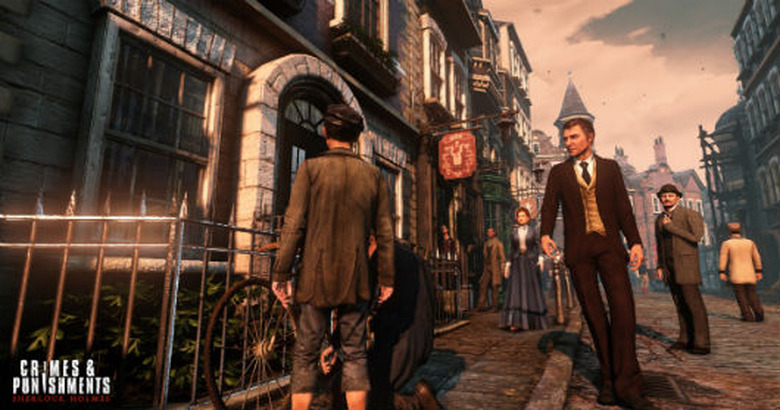
    Sherlock Holmes: Crimes and Punishments is, in many ways, a typical detective game. You look for clues, you interrogate witnesses, investigate suspects, and ultimately decide whodunnit. One feature separates it from much of the mystery pack, however: You can get things wrong. The game will let you make incorrect deductions, draw wrong conclusions and even send the wrong person to prison. The ability to fail is probably the game's best feature, and it's one I wish more detective games would embrace. It's easy to see why mystery games would be reluctant to let the player completely blow a case. For starters, there isn't much replay value in that type of gameplay, and slogging through a case all over again, hearing the same testimony or performing the same experiments, would lack a certain vivacity. People also process information differently, so what might be a stonkingly obvious connection to one person would be utterly baffling to the next; add differences in cultural references or knowledge into the mix, and the problems inherent in crafting a tightly-constructed detective narrative become obvious. Plus, people just plain don't like feeling dumb, and getting a big fat "WRONG, BUCKO!" after noodling your way through a case would understandably be off-putting for some players. It should be there anyway, though, because otherwise there's no real incentive to put your brain through its paces.

    By Susan Arendt Read More
  • Persona's demon designer wants your opinion

    Shigenori Soejima is the man behind the distinctive look behind super stylish games like Persona 4, Persona 5 and Catherine. Yes, he's the man you thank for the nightmare-inducing Immoral Beast, but he's also the one who gave us Chie, Teddie, Kanji, Koromaru as well as the bevvy of fascinating demons that populate the games of the Persona universe. Soejima was on hand at E3 for a rare autograph signing, and fans lined up for hours to meet him and thank him for his work on the art of the Persona games. I asked him, through a translator, how he felt about the outpouring of appreciation, and his answer was both humbling and surprising: "He was very happy to be able to come into contact with such fans but to be honest, he wanted to talk to them more. Because he's Japanese and he can speak to the Japanese fans, he knows what kinds of things that they think about his artwork, versus, he's not sure what foreign audiences think, because he can't speak with them. He wishes he had a little bit more one-on-one time and could ask each of the people what do you like about it, what is it that draws you to my artwork? So because he wants to know that, he says for your readers to actually write to him, he would love to hear from your fans." We confirmed with Atlus that this offer is completely legit, so if you've ever wanted to let Mr. Soejima know what you thought about his work - or to ask what the real deal is with Teddie - now's your chance. We'll collect the comments below and send them off to Atlus for translation so that they can be passed along to Soejima himself. First question: Mr. Soejima, have you ever considered a micropig sidekick for Persona 5? Just something to think about. [Image: Atlus]

    By Susan Arendt Read More
  • Same sex marriage in Harvest Moon: 'We know what the fans are looking for'

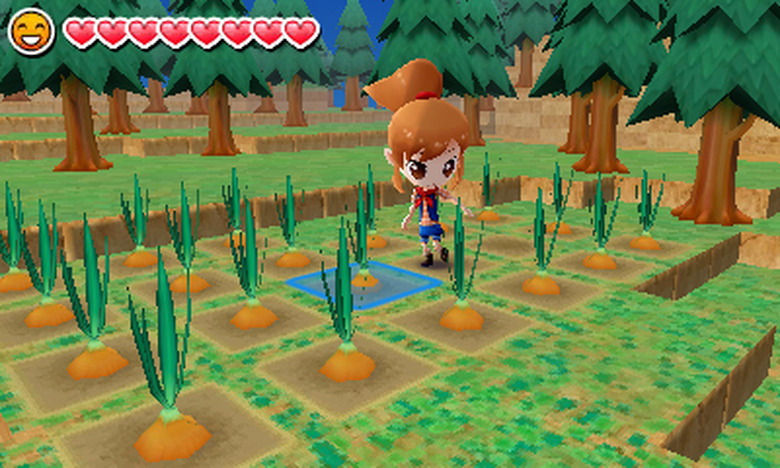
    Marriage is an intrinsic part of long-running life sim series, Harvest Moon, but to date same sex marriage hasn't been possible. The newest game in the series, Harvest Moon: The Lost Valley for 3DS, won't change that trend, but future games might, if that's what the fans really want. When I asked the question as to whether Natsume had considered including same sex marriage in a Harvest Moon game, Graham Markay, Vice President of Operations, said, "It's obviously something that we're going to look into as we continue the Harvest Moon series. We're going to look into all aspects of it." He started to express the idea that it's not a cut-and-dried issue, but Hiro Maekawa, President and CEO of Natsume cut him off. "We always listen very carefully to fans' voices," Maekawa said. "Fan voices, media voices. We know what the fans are looking for. We are always carefully listening to fans' voices." Maekawa says he is very appreciative of Harvest Moon's fans, who have kept the game alive since its inception on Super Nintendo in 1996. Harvest Moon: The Lost Valley, which "innovates in a way no other Harvest Moon game ever has," will be out for 3DS this fall.

    By Susan Arendt Read More
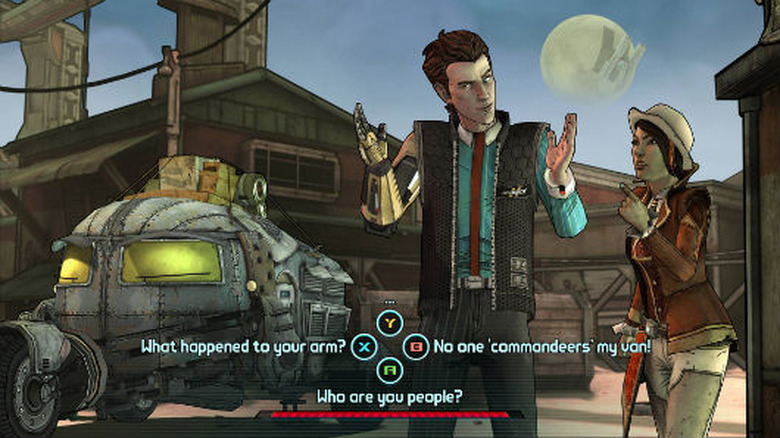
  • Telltale tells the tale of two tales in Tales from the Borderlands

    Telltale's The Walking Dead and The Wolf Among Us have much in common. They're both based on comic books, they both feature some fairly bleak situations, and they both start with "The." Tales From the Borderlands, on the other hand, is based on an established video game series, is quite funny, and ... ok, it also has a "the," but it's near the end. It also has two playable characters: Rhys, the tech-using Hyperion employee, and Fiona, the steampunky grifter. After watching the first 30 minutes or so of the first of Tales' five episodes, I talked to Telltale's Richard Iggo about what else is different this time around. (Spoiler: Loot. Lots of loot.)

    By Susan Arendt Read More
  • NOPEing out of The Evil Within

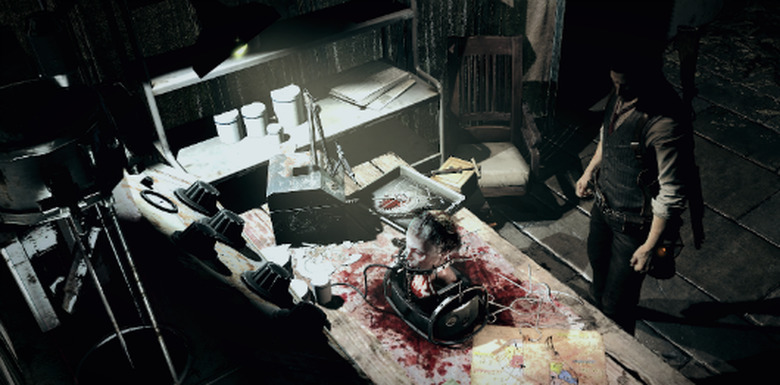
    I wasn't overly impressed with The Evil Within when I saw it last year. It felt too copy/paste to me, too many familiar elements from too many familiar games. It all felt like more of the same, and while I could understand the desire to return to the roots of survival horror, I didn't enjoy it. It wasn't my jam. I wasn't scared. I'm scared now. I was given the option of choosing which of two sections I'd like to try out, and I opted for the one that focused more on exploration, story, and puzzle solving. I'd seen the combat in previous demos and knew the drill there, but I wanted to get a sense of the atmosphere the game had to offer. Scarce resources and the need to burn your enemies (to make absolutely, positively sure they stay dead after you put them down) is a fine basis for combat, but if The Evil Within wasn't creepy, I wasn't going to be interested.

    By Susan Arendt Read More
  • The best costume in Costume Quest 2 is also the most useless

    Costume Quest 2 is Double Fine's first sequel, and the one that, according to Greg Rice, was "probably the most requested besides Psychonauts." What fans wanted was more of the same, and that's what they're getting, right down to Reynold's Candy Corn costume, which was how the whole mess got started in the first Costume Quest. It wasn't a usable costume then, but it is now. A completely useless, utterly awesome costume. The gimmick for the turn-based combat in Costume Quest 2 is that the trick-or-treating heroes can swap out Halloween costumes, thus granting themselves different attacks. The clown, for example, has a special move called Laughter Is the Best Medicine which heals the party, while the superhero costume comes with devastating uppercuts. The candy corn ... sits there. (It's just a big piece of candy corn, what did you really expect it to do?) It's a hilarious running gag in combat, noted each turn by phrases like "Candy corn is doing calculations" and "Candy corn chooses not to participate."

    By Susan Arendt Read More
  • Lara Croft: More than just an action figure

    It's difficult to think of Lara Croft as ordinary. She's the Tomb Raider, after all, a gun-slinging, cliff-climbing, insouciant stealer of artifacts and slayer of mercenaries. But she wasn't always like that. As the recent reboot illustrated, she started off as something else entirely - just a girl with a penchant for myths and histories, more comfortable trying to puzzle out ancient mysteries than hanging out with her peers. Still not ordinary, really - she's an extremely well-educated and wealthy woman, someone who's had the best opportunities in life - but not the larger-than-life action figure we've known from previous games. The reboot showed a different Lara, a more relatable Lara. One who was frightened and calling for help, but who rose to the challenge when she realized help wasn't coming. In those moments of strife, one does what one must, but what happens when those moments are over? How do you go back to the normalcy of life once you've gone so far outside of it? That's a question raised by the trailer for Rise of the Tomb Raider, as we see Lara in a psychiatrist's office, foot bouncing with anxious energy as a therapist uses his most soothing voice to help try and guide her focus toward making sense of the turmoil in her mind.

    By Susan Arendt Read More
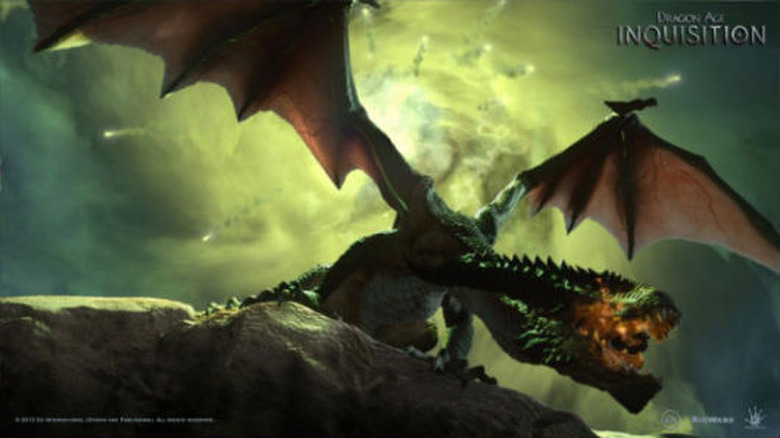
  • The parts of Dragon Age: Inquisition you may never see

    The world of Dragon Age: Inquisition is big. Really big. I mean, you may think it's a long way down the road to the chemist's, but that's just peanuts to Inquisition. It's big enough, in fact, to fit all of Dragon Age: Origins and Dragon Age 2 into it several times over. As you might expect, it's crammed full of quests, fights, diversions and memorable moments, but there's also some stuff in there you might never find. It's not hidden, per se, there's just no great big quest arrow pointing at it, which is exactly how Creative Director Mike Laidlaw wanted it. "In each level, I wanted there to be at least one cave, one dungeon, one something that no-one tells you to go to," he explained to me. He said that his design team had to "break some old habits" as they were creating the enormous open world that would become Inquisition. Dragon Age: Origins and Dragon Age 2 both made sure the player knew about every last thing they could possibly do, and Laidlaw wanted to make sure not everything was quite so obvious. It meant that there might be content in Inquisition that might never be seen, but it also meant that there was a point to exploring the game's stunning locations beyond just hitting the next point of interest on the map.

    By Susan Arendt Read More
  • Little Big Planet 3 lets you swoop, toggle, and odd your way through levels

    Sackboy is back, and he's brought some chums with him for LittleBigPlanet3, due out this November on PS4. Three new types of hand-stitched creatures, each with their own special abilities, will make the journey to the planet of Bunkum to save it from the evil Newton. The first of the new sackpals is OddSock, a fast, doglike creature that runs on all fours and has the ability to wall jump. Then there's Swoop, the bird, who can fly and carry the other characters, should they need a lift. Lastly, there's my personal favorite of the new sacks, Toggle, an adorable lunk who's huge and strong when he needs to be, but who can also shrink down to teeny-weeny size when there's a tight squeeze.

    By Susan Arendt Read More
  • Murdered: Soul Suspect review: Good cop, dead cop

    Murdered: Soul Suspect makes a bold choice right from the start by favoring information over action. It's unusual to play as a street-smart detective and not have to worry about aiming, reloading, or even how to throw a punch, instead focusing your efforts on stepping back and thinking about your environment. Solving the game's many mysteries will require patience, thoroughness, observation, and thought - a mixture that works well in service of Murdered's excellent story, but one that finds itself at odds with the final chapter of the tale. A few understandable – though regretful – design choices, combined with technical snafus all but destroy Murdered's emotional impact as it thunders towards its dramatic conclusion. An entertaining curiosity, Murdered ends up being a ghost of its own potential.

    By Susan Arendt Read More