cablecard
Latest
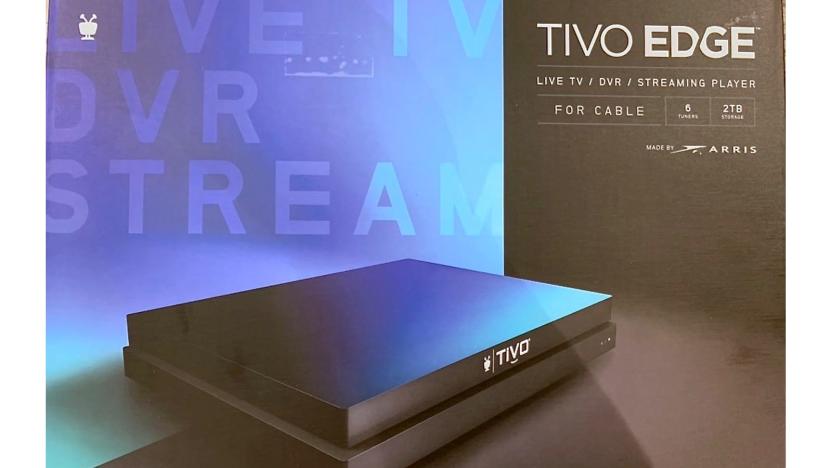
TiVo's leaked Edge DVR touts Dolby HDR and Atmos audio
TiVo is apparently renewing its efforts to serve cord-cutters. Zatz Not Funny has obtained snapshots of an Arris-made TiVo Edge DVR that would cater to both the streaming crowd and cable TV diehards in equal measure. It wouldn't be as flamboyant as the oddly-shaped Bolt (you can finally stack things on top!), but it would be loaded with 4K, Dolby Atmos audio and Dolby Vision HDR to stream services like Netflix and Prime Video in maximum quality.

GOP pushes new FCC chief to kill set-top box rental proposal
If you were excited at the prospect of no longer having to pay your local cable company a monthly stipend to use their set top boxes, boy does the House GOP have a surprise for you! Now that the FCC is being helmed by famed net neutrality opponent, Ajit Pai, Republican lawmakers are seizing upon the opportunity to squeeze a little more money out of the American public.

Plex adds a DVR feature for over-the-air and CableCARD tuners
Ask any media hound about the best way to stream your your video files, and they'll probably direct you to Plex. Now, the streaming software is getting even more useful with a long-awaited feature: DVR support. Just plug an HDHomeRun tuner (with antenna) into your PC, set it up in Plex, and you can record any over-the-air (OTA) broadcast in your reception area. And, of course, you can view the videos on any device with the company's app and a Plex Pass membership ($5 a month, $40 a year or $150 lifetime).
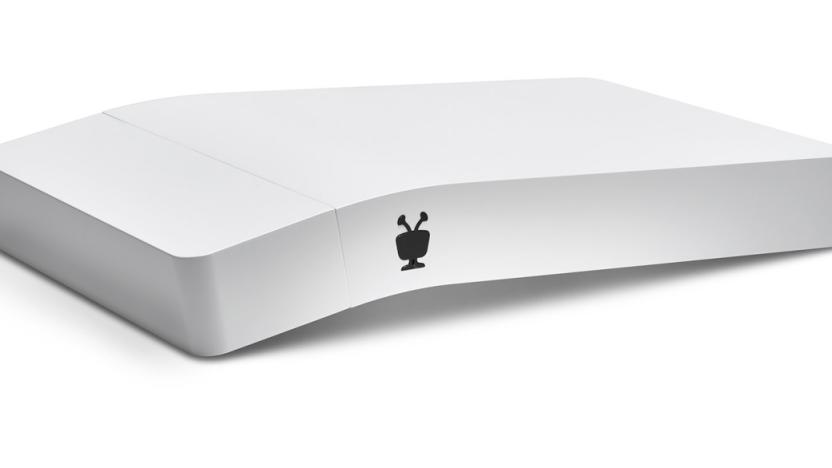
TiVo's 4K-ready, commercial skipping Bolt hints at the future
This new Bolt DVR may not totally remake the recording technology TiVo is famous for, but it introduces a sharp departure in design and adds features customers have asked for since it started in the late 90s. Just like the leaks suggested, the Bolt is a funky arc-shaped white box that looks different from anything else near your HDTV. Despite being smaller than TiVo's older DVRs -- or whatever cable box you probably have -- it's eye-catching enough for visitors to stop and ask what you're watching TV on. Looks aside, Bolt's main claim to fame will definitely be its ability to bypass commercials with a new SkipMode (No more hidden 30 second skip! We've been asking for this since 2009). That's actually an old trick, and while it's appreciated, where I see evidence of TiVo looking towards the future is the way it's connecting the DVR to Amazon's Fire TV.

Leaks point to a new TiVo 'Bolt' DVR on the way
So what's next for TiVo? After the company successfully kicked off the DVR era with its boxes, the world is now changing into one where cable TV isn't quite as important. Purchasing the remnant of Aereo is one way to get cord-cutters attention, but fusing what's left of traditional TV with the internet is going to be an interesting problem to solve over the next few years. Dave Zatz has tracked down a mess of filings and even mentions on TiVo's own website pointing to a new "Bolt." Based on the recent CableLabs certification of two new boxes July 1st and a trademark application, the Bolt definitely seems like a new DVR, possibly a replacement for the current Roamio.

Cox is bringing VOD to select TiVo boxes in July
Cox and TiVo have been making noise about joining forces and making the cable provider's extensive Video-On-Demand catalog available on retail TiVo set-tops for nearly five years now. Following a recent post by ZatzNotFunny, however, Cox confirmed earlier today that the integration will finally be taking place in "early July." But don't get excited just yet -- the initial rollout will only be available to specific IP-connected customers in Orange County, California.
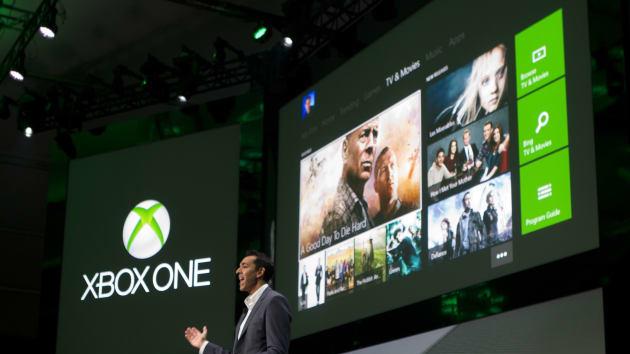
Xbox One rumor claims DVR is coming to replace Media Center
Even as Microsoft buries Windows Media Center, there's a rumor that it actually does have a plan for a replacement. According to Paul Thurrott's sources, the Xbox One will gain the ability to record live TV "probably this year." That's the kind of feature Microsoft originally envisioned for its all-in-on game console, but so far does not offer. The live TV tuner that's available in Europe and coming to North America offers some trick play pause/rewind support, but full DVR functionality would be a big shift. The PlayStation 4 has a DVR for subscribers of to the Vue TV service, but that's relatively expensive and only available in a few areas so far. Proper DVR support combined with that antenna (and hopefully, cable TV access for the people who haven't cut the cord yet), could provide a more flexible option. Of course, if anyone has the technology prepared to roll out it should be Microsoft, but we'll have to wait and see when/if it comes to fruition. [Image credit: Stephen Brashear/Invision/AP]

MediaPortal 1.5 released with CableCARD and Windows 8.1 support
Give credit to the MediaPortal team for making swift progress: just a few weeks after revealing a pre-release build of MediaPortal 1.5, the group has released its finished software for download. As promised, the home theater PC client now supports CableCARD tuning for most channels outside of pay TV. The update also brings support for Windows 8.1, a directly integrated PowerScheduler++ feature and improved IPTV streaming. The only drawback is the end to Windows XP support, but we suspect that backward compatibility isn't as much of an issue these days.
MediaPortal 1.5 enters pre-release; adds CableCARD, Windows 8.1 support
We're finally half way to MediaPortal 2.0, and while version 1.5's updates are more nuts and bolts than 1.3's flashy visual overhaul, they're important nonetheless. Now let's dig in, shall we? First up, PowerScheduler++ has been integrated directly to the app, which should make it easier set up and schedule system reboots -- it adds options for remote clients, too. Next, IPTV support got a makeover and the dev team says its product should meet your needs both "now and well into the future." CableCARD users still have to deal with DRM restrictions on pay-TV channels, but most everything else -- ESPN, TNT and USA, for example -- should function without the cumbersome workarounds of days passed. None of the latest additions break version 1.4's skins or plugins, and it's even supposed to be compatible with the Windows 8.1 preview. The only bad news is if you're still rocking Windows XP, since MediaPortal is finally killing support for the OS -- but that can't affect too many people, can it?

Ceton ships InfiniTV 6 PCIe tuner, crams six HD channels into a home theater PC
Ceton vowed that it would release a PCI Express equivalent of its InfiniTV 6 ETH box, and it's delivering on that promise (if belatedly) by shipping the InfiniTV 6 PCIe. The adapter still lets Windows Media Center users watch or record up to six HD cable TV channels through one CableCARD, but in a form factor that slots neatly into a dedicated home theater PC. The board is in stock at Amazon and Newegg today at its expected $299 price. While that cost puts the InfiniTV PCIe at the high end of the TV tuner spectrum, it may be worthwhile for viewers who just can't afford to miss a show.

Ceton InfiniTV CableCARD tuners add six tuner, Ethernet options
Almost three years after Ceton's InfiniTV 4 CableCARD tuner hit the market as an easy and affordable way to watch premium HD cable TV on Windows Media Center, the company is finally rolling out a new variant. We've seen price drops, a USB version and a few alternatives from competitors since the 4 launched but a few options were still missing. That included the original six tuner prototype touted at its CES debut and an Ethernet jack for sharing with multiple PCs, but both check boxes have been filled today by the new InfiniTV 6 ETH. It looks a lot like the USB version of the InfiniTV 4, but with an added Ethernet port (the USB port pictured after the break is for a Tuning adapter, not to connect to a PC) and the ability to record six shows at once. It's available today for $299 from popular online retailers while a six tuner PCIe version is due in June for the same price. Check after the break for a press release with all of the details, plus a quick unboxing and set-up video. [Thanks to everyone who sent this in]

SiliconDust announces two new HDHomeRun network tuners with transcoding, DLNA DMP beta firmware available soon
SiliconDust let us know that it would be the first to certify a live TV tuner as a DLNA Digital Media Server, easily enabling premium cable TV to more devices with its existing HDHomeRun Prime network CableCARD tuner. A beta firmware of that software will be available next week for existing customers. The rub, though, is that you'll need a DLNA Digital Media Player (or Rederer) that supports MPEG2, and that just isn't as common as you might think -- as well as DTCP-IP support for copy protected content. In comes two new network tuners, the HDHR4-US and the HDHR4-CC. Both offer hardware transcoding for "digital-to-digital conversion of high-bandwidth MPEG2 streams to bandwidth-friendly H.264." The primary difference between the two new models is one has a CableCARD slot for recording four HD premium channels at once, and the other has dual clear QAM or ATSC tuners -- there is also a third unit, HDHR4-DT2, for Europe and Australia. The number of DLNA Digital Media Players (DMP) that support H.264 is far more vast and the codec is far more efficient. This basically means you'll have access to your favorite live content on more devices and in more places, and use less bandwidth while enjoying it. These new ones should be available starting in "mid-2013" with no mention of price in the releases below. But with the HDHR3-CC retailing for $199, we'd suspect the new quad tuner versions with transcode, will come just a bit above that. %Gallery-175391%

HDHomeRun Prime is the first CableCARD tuner to deliver live TV to DLNA Devices
Our favorite shows, anywhere, that's all we really want. Of course that is asking too much but we'll be closer to the dream now that Silicondust has announced its three tuner HDHomeRun Prime CableCARD is a certified DLNA Digital Media Server (DMS). While the options this opens are seemingly limitless, one specific use case is watching premium cable on a PS3. CableCARD tuners aren't exactly known for their ease of setup, but once you do get this working with your cable company and on your network, it'll show up like any other DLNA source to your PS3. From there you can browse the list of channels and watch any you happen to subscribe to. The PS3 isn't the only DLNA Digital Media Player (DMP) or Digital Media Renderer (DMR) that works with a DLNA DMS, and plays MPEG2 video. However, at this point it's the only one we know of that also supports DTCP-IP, which is the DRM required to play premium content. A representative of Silicondust told us he's confident more compatible devices are on the way, while even more devices will support the unprotected content. Keep an eye out for an official list of compatible hardware on its site some time after this update starts rolling out later this month. Finally, yes, you will be able to use your DLNA Digital Media Controller (DMC) to record content to your other Digital Media Servers -- is that enough acronyms for you? If this interests you, then stay tuned for CES where Silicondust plans to announce phase 2, which is where we think things could really get interesting.

MediaPortal posts new beta with new look and CableCARD, teases bigger sequel (video)
MediaPortal is a rare veteran spinoff of XBMC -- a testament to its fan base, but also a sign that it needs a fresh coat of paint. A new 1.3 beta might offer just what home theater PC users have been looking for to keep the front end relevant, at least in the short term. It carries a much more contemporary (and less Windows Media Center-like) skin with minor tweaks to the layout and overall interface. CableCARD support also makes its overdue appearance, although the lack of official CableLabs approval keeps the software from recognizing any copy-protected shows. Don't fret if those additions aren't enough, however -- we've been given a hint as to what the long-in-development MediaPortal 2 will offer through a pair of videos. The clips are largely top-level overviews, but they allude to mobile tie-ins, events, extensions, more skin support, video backgrounds and news. With an Autumn Build of MP2 available "right around the corner" for viewers, it might not be long before we learn what those new additions are like through first-hand experience.

TiVo Premiere 4 confirmed early, promises a 4-tuner DVR for the masses
TiVo owners who've wanted to record any more than two shows at a time or use more recent technology like MoCA have had to look towards the wallet-busting Premiere XL4, at least if they didn't happen to rely on a cable provider bundling the Premiere Q. Thankfully, TiVo has told Zatz Not Funny that a more affordable Premiere 4 option is on the way. The new DVR will still require QAM digital cable or FiOS TV for its tuners to sing, but its 500GB of space will likely lead to a significant price cut versus the 2TB-touting XL4 -- if also a whole lot of deleted old shows. MoCA, an eSATA port and a single CableCARD slot will carry over, so there's few other penalties in store for those who pass on the XL4 flagship. We don't have any official word on the launch strategy so far, although one loose-lipped rep has floated the rumor of a release within the next one to two months at $250 price tag. If true, the Premiere 4 will go a long way towards satisfying TV junkies who are more concerned about catching every show in a crowded prime time slot (and a lower cost) than digging through months-old archives.
SiliconDust HDHomerun Prime CableCARD tuners hit Woot for $130
If you've been thinking about building an HTPC without spending a lot of money then first of all we have a post that can help you with that (and a comment section of folks saying they can do even better), and second, it might be time to grab one of SiliconDust's HDHomeRun Prime TV tuners. The three tuner CableCARD device can turn your computer into a cable box, and Woot is selling brand new units for just $130 (plus $5 shipping) in this morning's one day sale, a decent discount form the $180 - $200 prices we found elsewhere. Still not convinced this is for you? Check out our hands-on with the device or a quick video trailer embedded after the break. Oh, and if you need a new HDTV to plug it into, Woot's also running a sale on some LG LCDs with 3D and connected apps for $650 / $900 (47-inch / 55-inch).

Verizon FiOS TV finally set to enforce CableCARD restrictions
Verizon launched its fiber to the home service the same year CableCARD was released, but Verizon's implementation has always been a little different. For starters, Verizon got an extra year before it was required to support it, but even since then, Verizon has been pretty lax about enforcing all the restrictions CableCARD has to offer. Despite years of predictions about the sky falling one day, only now have a few FiOS customers received letters notifying them that the party's over. What we mean is that starting July 31st, you won't be able to just slide an activated CableCARD into another box, like you can now. The real bad news however, is that some premium content will now be flagged Copy Once. Although the FCC has always permitted the use of this flag on most content, Verizon has never used it. Essentially that meant that you could record anything you wanted on your TiVo or Windows Media Center PC and copy those programs any which way you'd like. Not only does this break TiVoToGo and other similar features, but it actually breaks Multi-Room Viewing on the Series3. CableCARD FiOS TV customers can tune to channel 131 to see if their TV will turn dark on D-Day (the screenshot above means you'll need to update your activation to continue viewing) but until then, enjoy the free for all copying while it lasts. [Thanks, @BrennokBob]

TiVo Premiere XL4 review
With the recent spring TiVo Premiere update we figured it was as good of a time as any to spend some quality time with the newly-renamed TiVo Premiere XL4. The highest model in the TiVo line, the XL4 costs $399 plus $15 a month, or $499 for lifetime service. For the money, it records four HD shows at once with a single CableCARD and offers 2TB of storage. More tuners and space aren't the only things that have changed since we gave the original TiVo Premiere a once-over just two years ago. No, there have been a few notable releases as well as the release of the TiVo Slide Remote and a number of TiVo companion apps for phones and tablets. How all that comes together is exactly what you'll find out should you choose to click on through to the other side.

Microsoft talks DVD, Media Center support in Windows 8 and why most won't miss it
If you have to issue an explanation to follow up an explanation, then it's pretty safe to say the first one wasn't clear enough, and it's under those circumstances that Microsoft's Steven Sinofsky and the Windows 8 team are returning to the subject of Media Center and DVD movie support. After addressing both a few days ago, the internet backlash was (predictably) quick to finding out that Media Center would be available only as an upgrade to the Pro version of the OS, and that without it Windows wouldn't natively play DVDs. What many may not know however, and the new FAQ points out, is that this is not an entirely new thing -- Windows XP did not have support outside of specialized editions or add-ons, several versions of Vista did not play DVDs and on Windows 7 the Basic and Starter editions lacked the add-on. Of course, for most users this doesn't matter in the least since brand new PCs tend to ship with third party software to play DVDs (or Blu-ray movies where applicable, which no version of Windows has or will natively support). Answering the question we had of what this means for users upgrading their own computers, they'll either need to see if they have existing third party software to play DVDs that is compatible with Windows 8, or acquire Media Center post-upgrade.

MythTV 0.25 is finally available with a bundle of new features
One year, four months and 30 days after its last major release, MythTV has -- after a short delay -- released v0.25 to the world. We've already discussed many of its new features including DirectX acceleration, out of the box support for CableCARD tuners, AirPlay and HTTP Live Streaming, but there are others, like HDMI-CEC control, 3D support, improved audio and more. Hit the source link to get your dose of open sourced media center action, we'll check in in another ten years for version 0.5.


