3
The pros and cons of importing foreign phones to the US
Foreign phones can bring new features not often seen in the US, but you need to make sure they're compatible with your carrier.
Read More

Foreign phones can bring new features not often seen in the US, but you need to make sure they're compatible with your carrier.
Read MoreMeta and OpenAI's new AI agents are in direct competition. Here's what each can do, what they cost and who has access.
Read MoreFlip phones endured in Japan longer than the US, but the trend is shifting.
Read MoreA study by Northeastern University and Consumer Reports found that automakers are collecting data to allow advertisers to build in-depth profiles on consumers.
Read MoreAs with most AI tools, Grok's free tier is pretty limited.
Read More3D printers are everywhere, but where one should be placed in your home is something worth looking into.
Read MoreThere are a load of features tucked away in Google's 'other' mapping app.
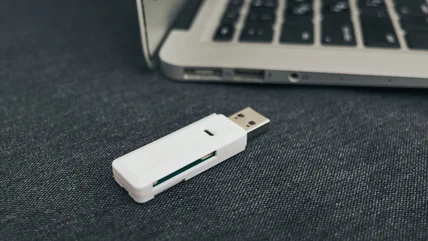
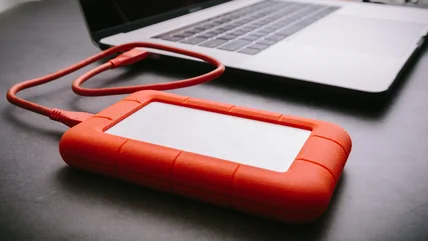
Read MoreTransferring important files to a thumb drive is brilliant for portability, but not always great for longevity. Here's why you should back them up elsewhere.
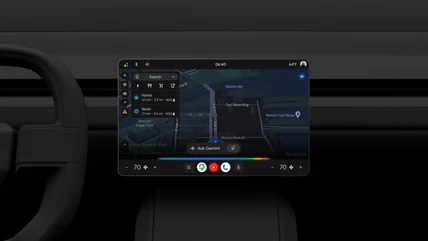
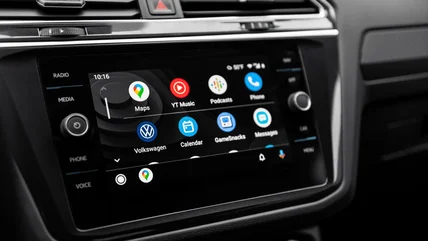
Read MoreOne is a set of apps while the other can run almost everything inside of a car.
Read MoreThe performance gains you get with modern chips aren't as noteworthy as they used to be.
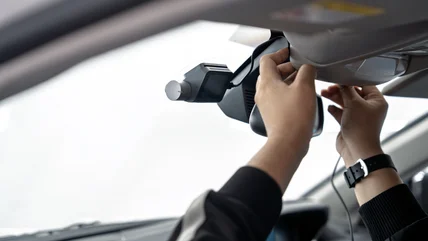
Read MoreAftermarket backup cameras might not work as well as integrated ones, but they're still a useful upgrade to an older car.
Read MoreIf your cellular plan has limited data, you'll want to take advantage of these easy tweaks to stretch those gigabytes.
Read MoreSamsung phones have a couple of features that can keep sensitive apps and files private. One locks your chosen apps, and the other restricts all but one app.
Read MoreMake sure your files are safe in the event of a hard drive disaster.
Read MoreGemini might be causing some issues with Android Auto.
Read MoreIn its latest report, Anthropic has revealed that its AI agents meddled with government websites during testing.
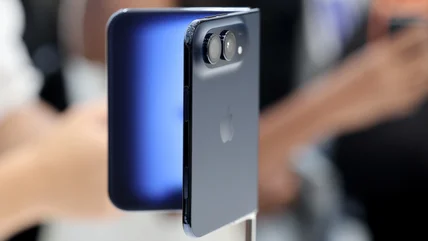
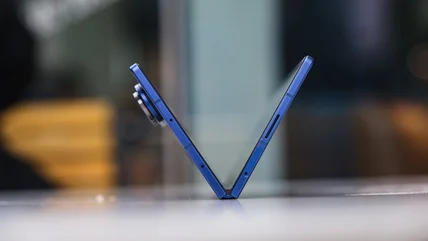
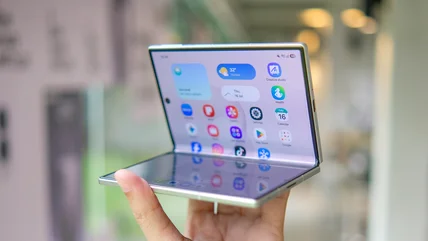
Read MoreApple's foldable phone has everyone talking, but competitors have their own offerings in different ways.
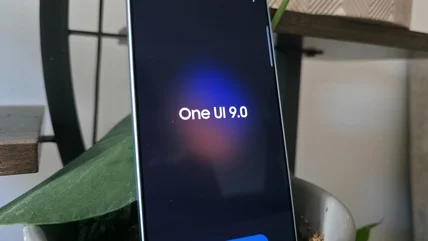
Read MoreSamsung Galaxy phones that have upgraded to Android 17 and One UI 9 have a slew of new features — some more helpful than others.
Read MoreSet it to a nearby place instead, if you're concerned about the potential dangers if someone accesses your phone.
Read MoreFoldable phones require a little more care than standard ones, but the hinge will do its job as long as you don't make that difficult.
Read MoreScreen protectors seem like an easy win for keeping your phone in good condition, but there's more to consider with a foldable phone.
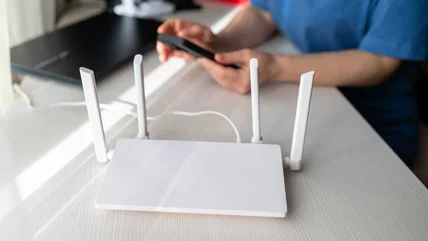
Read MoreQoS is another acronym buried in your router's settings that you might have just ignored, but it may be worth turning on in some scenarios.
Read MoreRAM and ROM are two core types of memory used in every computing device, but their meanings haven't stayed the same since their inception.
Read MoreTesla has renamed Full Self-Driving in Europe, as it seeks to get it approved in more countries.
Read MoreMorale at one of the most reviled companies in America appears to be at an all time low.
Read MoreThankfully, it does not seem to have diverted police resources.
Read More