biometric
Latest
X sets its sights on LinkedIn with a job listing feature
The social network X plans to compete with LinkedIn by offering job listings and more, CEO Elon Musk said in a new post.
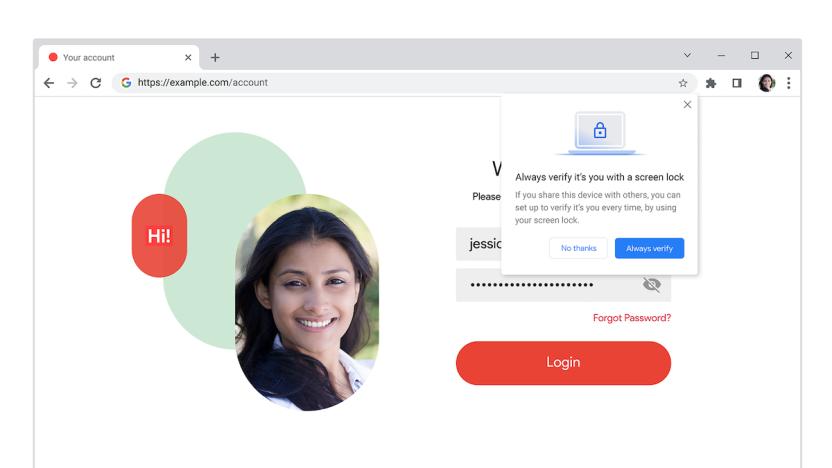
Google's Chrome Password Manager gets new security and usability features
You can now upload from other password managers, add security notes and more.
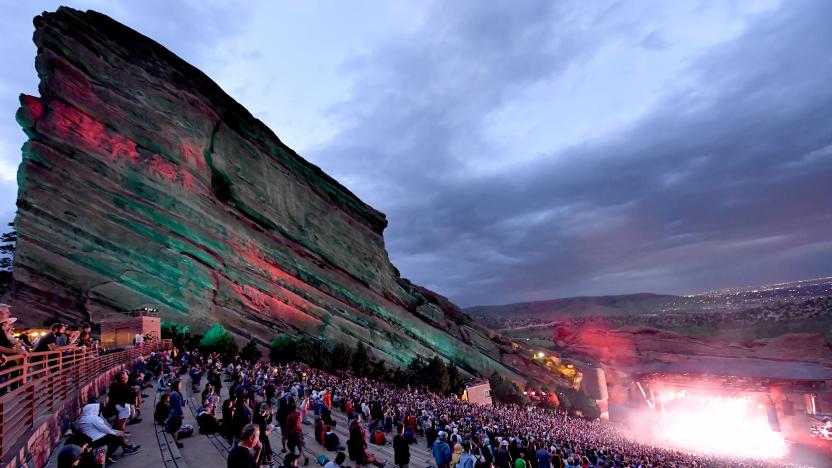
Red Rocks Amphitheater will no longer use Amazon's palm-scanning tech
Activists and artists pressured Denver Arts and Venues to stop using the system.
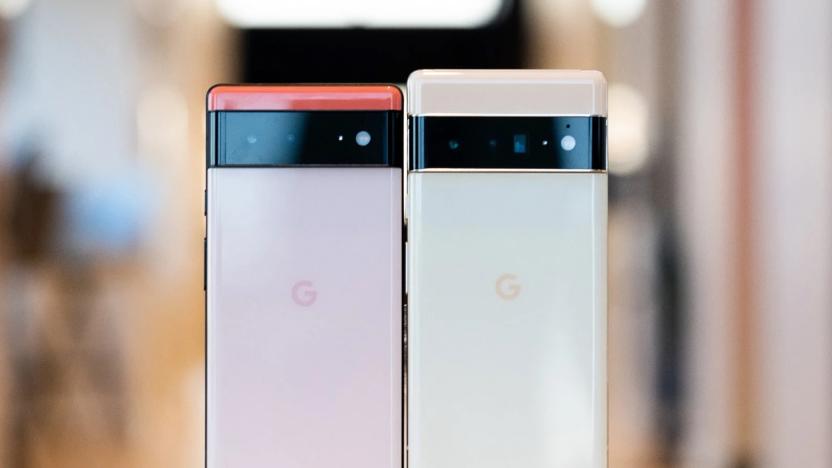
Google pins slow Pixel 6 fingerprint recognition on 'enhanced security'
Google says the Pixel 6's slow fingerprint recognition is due to 'enhanced security algorithms' that may take longer to check your digits.

UK schools will use facial recognition to speed up lunch payments
UK schools are using facial recognition to speed up payments in canteens, raising privacy concerns.
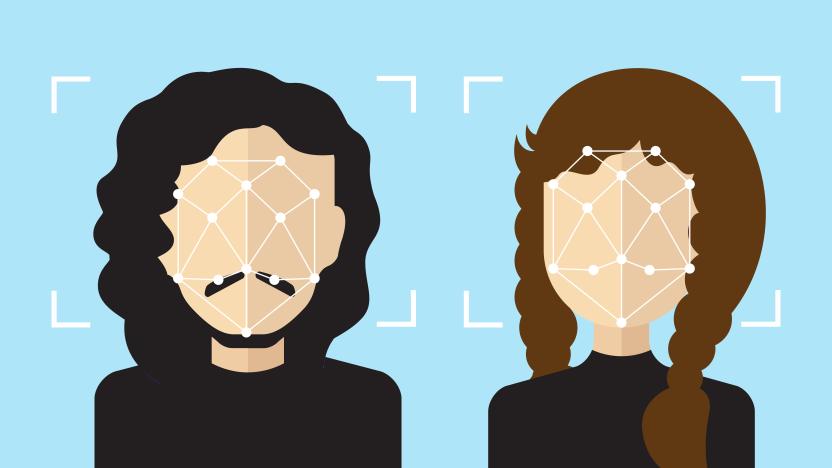
Amazon extends ban on police use of its facial recognition software
Reuters reports that 'until further notice' Amazon will continue to bar police departments from using its Rekognition platform
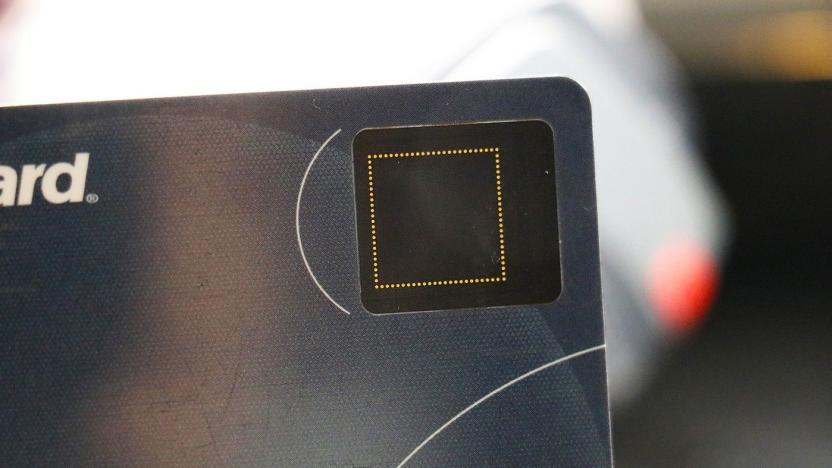
Samsung and Mastercard are working on a fingerprint payment card
Samsung is collaborating with Mastercard on a biometric scanning payment card with a built-in fingerprint reader.

An unborn baby recorded an album through biosonic MIDI
Luca Yupanqui's parents turned her in-utero movements into MIDI data.
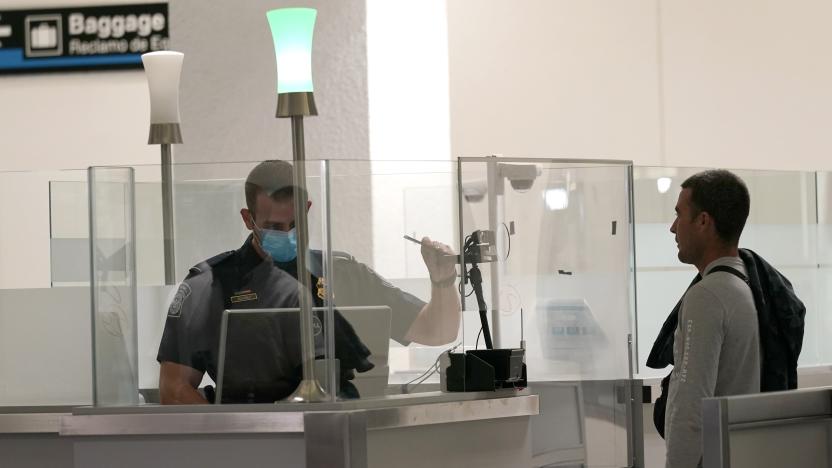
Civil rights groups demand CBP stops facial recognition expansion at airports
The ACLU, Electronic Frontier Foundation and others objected to a proposed rule change.

EU backs away from proposed five-year facial recognition ban
The European Union won't issue a ban on facial recognition tech, as it once proposed, the Financial Times reports. In a previous draft of a paper on artificial intelligence, the European Commission suggested a five-year moratorium on facial recognition, so that the technology's impact could be studied, noting that it can be inaccurate, used to breach privacy laws and facilitate identity fraud. In a new draft, seen by the Financial Times, that moratorium has been removed.
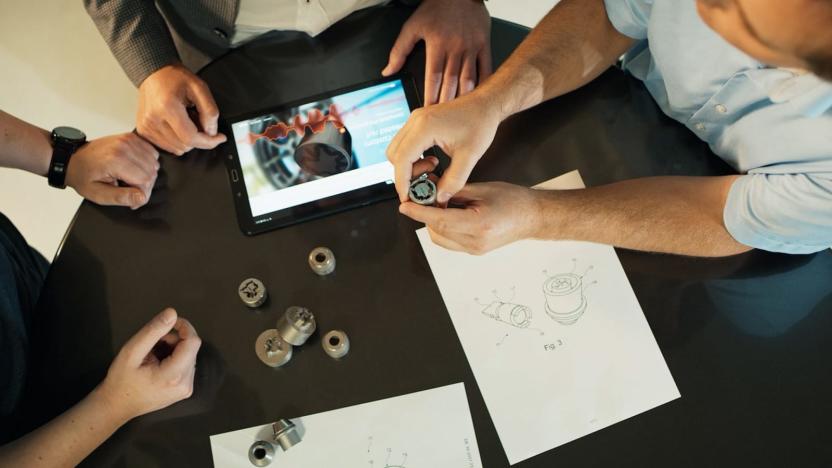
Ford is 3D printing unique wheel nut locks based on driver voices
If you've got a set of sweet alloys on your car, you've likely got them protected with locking nuts which can only be loosened with a special key. But these aren't invulnerable to thieves, who are increasingly targeting car parts as vehicle security becomes more sophisticated. As such, Ford has come up with a novel way of using 3D printing to keep your alloys safe.
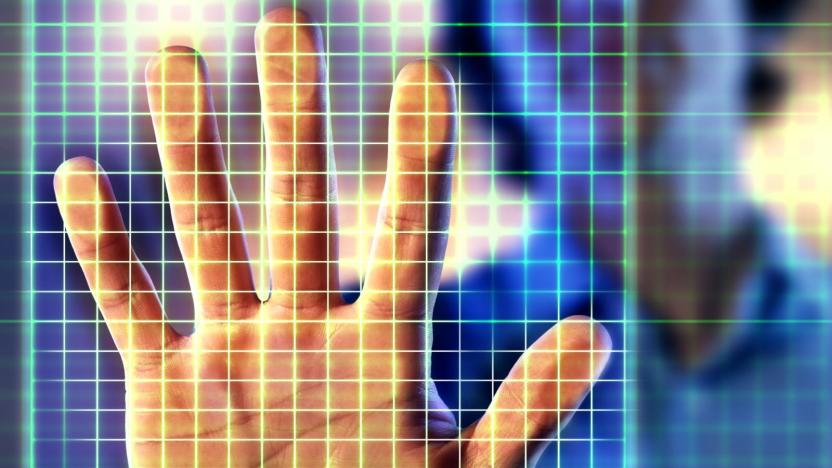
Amazon may offer hand recognition payments to other stores
Amazon's rumored hand recognition payment tech might be useful beyond paying for produce at Whole Foods. Wall Street Journal sources say the company is developing hand-based checkout terminals that it would sell to "coffee shops, fast-food restaurants" and other stores that tend to have repeat customers, not just Whole Foods. It's also clearer as to how the technology might work. The system would reportedly start by linking your payment card to your hand, asking you to insert your old-school plastic and scan your hand before you could pay using your hand alone.

Homeland Security doesn’t want Americans' airport face scans after all
Earlier this week, reports circulated that Homeland Security wanted to scan the faces of travelers, including US citizens, as they enter or leave the country. Naturally, critics raised concerns that the practice would violate citizens' privacy and that the "intrusive surveillance technology" could lead to abuses of power. Now, US Customs and Border Protection (CBP) says that it will allow US citizens to voluntarily participate in the program. In other words, US citizens can opt out.

How did Google get Pixel 4 face unlock this wrong?
Like many tech writers, I've been struggling to wrap my head around the brand-new Pixel 4's face unlock security #fail. Before the phone was even released, BBC technology reporter Chris Fox discovered that his review unit had a deeply disturbing security flaw: The phone's only biometric security option, facial recognition, worked just fine if the subject's eyes were closed.

WhatsApp's fingerprint unlock feature finally arrives on Android
Earlier this year, WhatsApp added an extra layer of privacy for iOS users when it enabled support for Touch ID and Face ID. Today, it announced Fingerprint Lock for Android. Now, WhatsApp users can unlock the app with their fingerprint on Android, too.
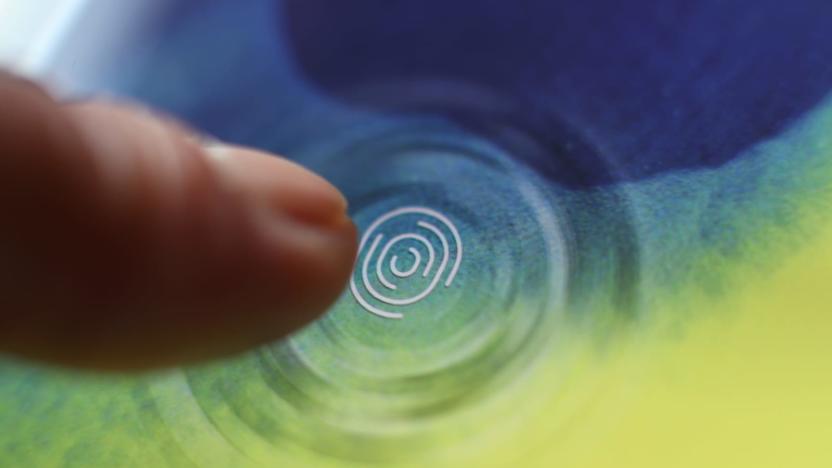
Samsung's fix for Galaxy S10 fingerprint scanning will roll out soon
Samsung is acting on its promise to fix its fingerprint reader security flaw. The tech firm is alerting Galaxy S10, S10+, Note 10 and Note 10+ owners that it'll send a notification for the patch "within 24 hours" (clearly less time than that as you read this) for anyone who has registered a fingerprint on their device. You'll have a fix well before the weekend. Samsung is also asking anyone who has used the phone with a screen protector to delete and re-register their prints without the protector installed, since it might include "incorrect" info.
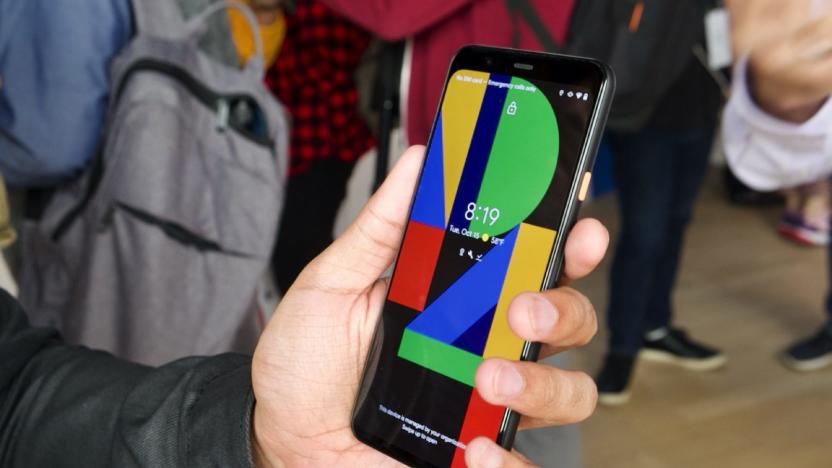
Google will fix Pixel 4 face unlock issue with 'eyes open' update
Shortly after Google's Pixel 4 launch last week, the BBC discovered that its Face Unlock biometric security system would unlock your phone, even if your eyes were closed. That would mean that someone could unlock your phone even if you were sleeping, which makes the Pixel 4 a less secure than Apple's iPhone Face ID, which requires "attention" or open eyes.

Samsung will fix bug that lets any fingerprint unlock a Galaxy S10
The Samsung Galaxy S10's fingerprint reader has been balky from day one, with users reporting it could be unlocked with a 3D-printed fingerprint. Worse, a buyer recently discovered that if you install a third-party screen protector, a non-registered user could unlock the phone. Now, Samsung has acknowledged the problem and promised to patch it soon, according to Reuters.

The EU may give citizens more control of their facial recognition data
The EU may impose strict limits on the use of facial recognition technology. According to Financial Times, the European Commission is working on laws that would give citizens explicit rights over their facial recognition data, like the right to know when it's used. The regulations would apply to both businesses and police or security forces.
After Math: Plead the fifth
With Dave Chappelle coming back to Netflix for the one, two, three, four, fif time later this month, we're taking a look at all of this week's headlines that will make you want to plead against self-incrimination.


