Diabetes
Latest
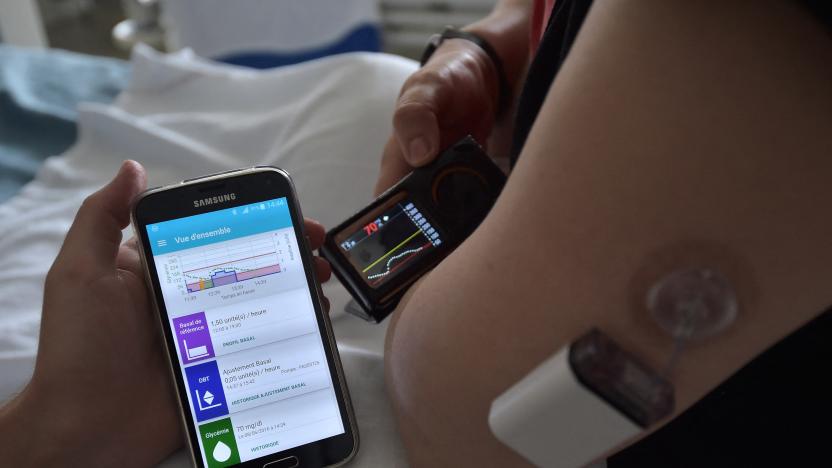
England’s NHS will provide artificial pancreas to thousands of diabetes patients
England’s National Health Service (NHS) said on Tuesday that “tens of thousands of children and adults” with type 1 diabetes will receive an “artificial pancreas” to help manage their insulin levels.
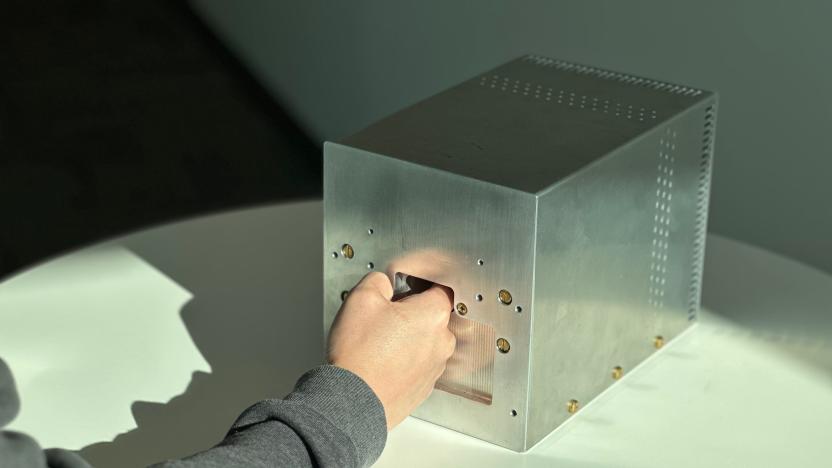
Researchers use magnetic fields for non-invasive blood glucose monitoring
A biotech research firm has developed a tool that can measure your blood glucose levels without a finger prick.
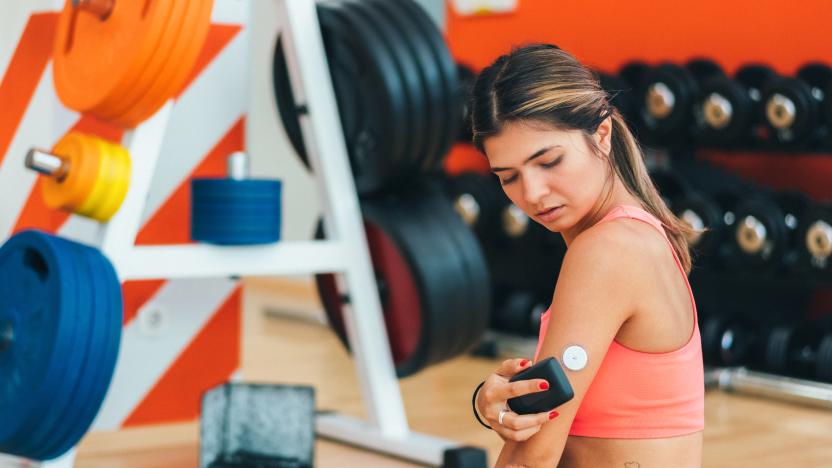
Why are non-diabetics suddenly wearing continuous glucose monitors?
Continuous glucose monitors, which have historically been an important health tool for diabetes patients, have been emerging online as a trending device to measure blood glucose levels among healthy adults. This begs the question: is knowing how your body reacts to food through your blood glucose levels beneficial?
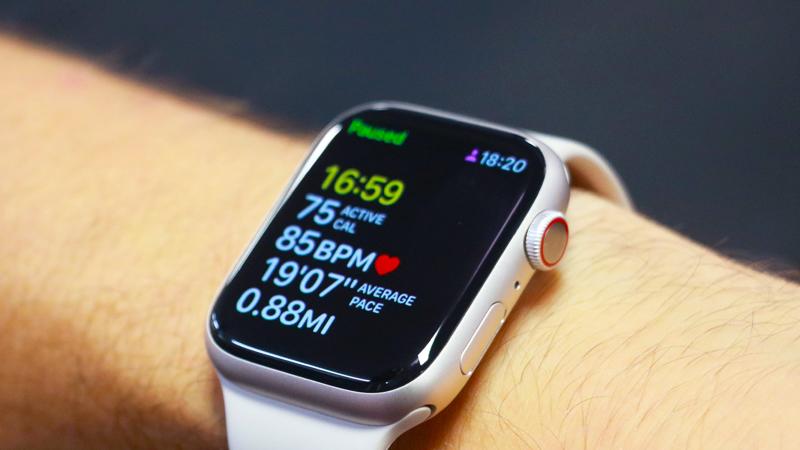
Apple is reportedly closer to bringing no-prick glucose monitoring to the Watch
Apple has supposedly made huge progress on bringing no-prick blood glucose monitoring to the Apple Watch.
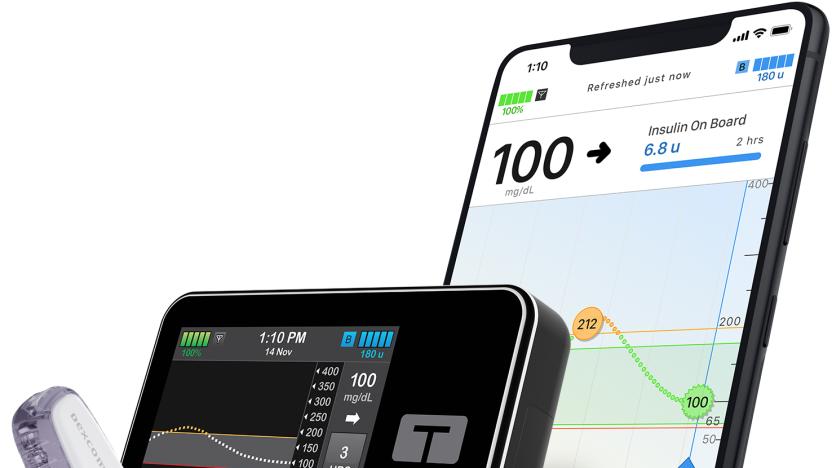
FDA clears the first smartphone app to program insulin pump doses
Tandem Diabetes Care's iOS and Android app connects to the t:slim X2 insulin pump.
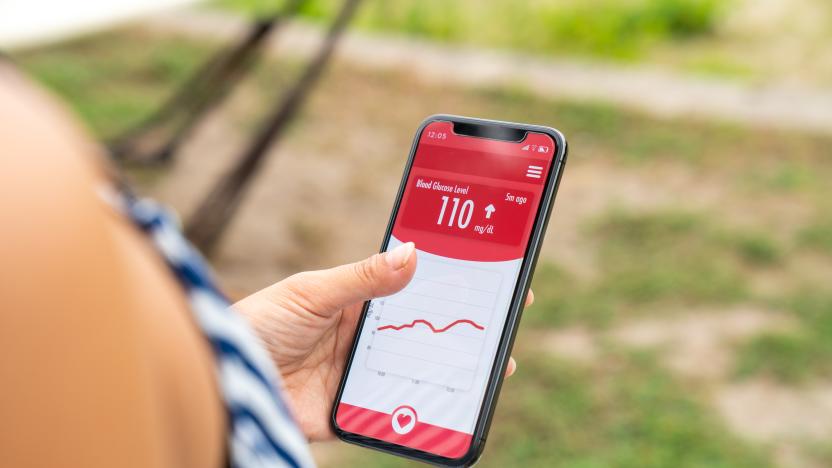
All-in-one diabetes devices could take the hassle out of insulin injections
MIT is developing all-in-one diabetes devices that could track blood glucose levels, inject insulin and otherwise reduce daily hassles.
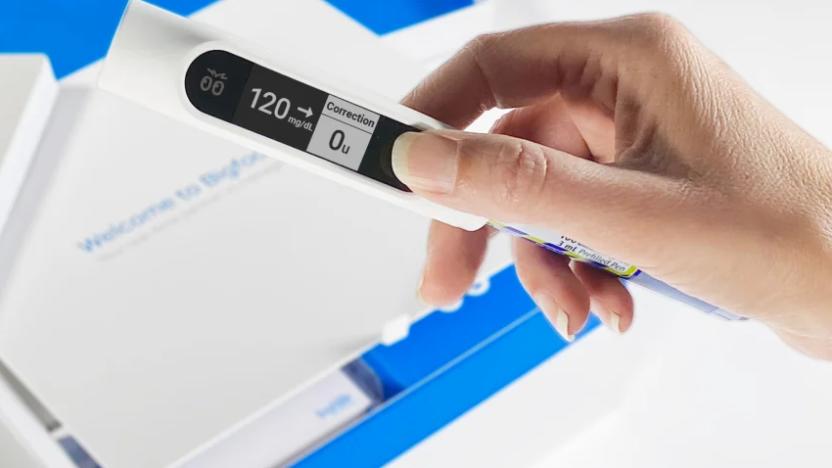
FDA approves the first smart insulin pen cap to help with dosing
Bigfoot Unity works with Abbott's FreeStyle Libre 2 glucose monitoring system.
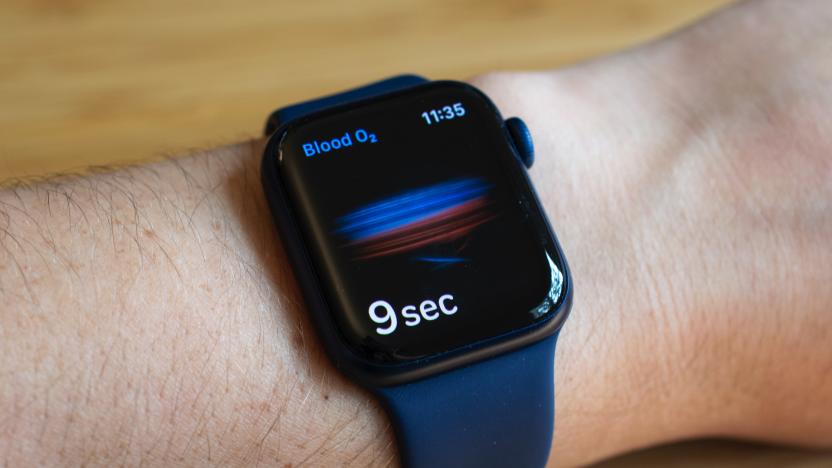
Apple Watch could get blood sugar monitoring thanks to a UK tech deal
Apple is now known to have a deal that could bring blood sugar monitoring to future Watch models — a significant help to people with diabetes.
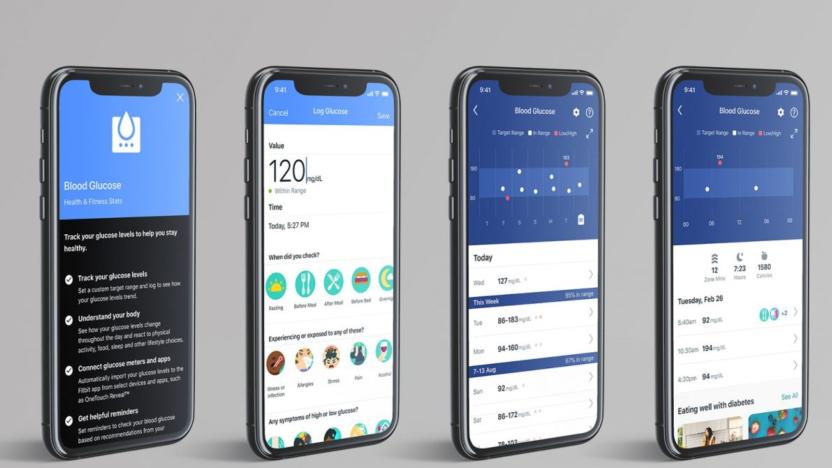
Fitbit's latest tracking feature reminds you to log your blood glucose levels
Fitbit's newest tracking feature will help you keep tabs on your daily blood sugar levels.
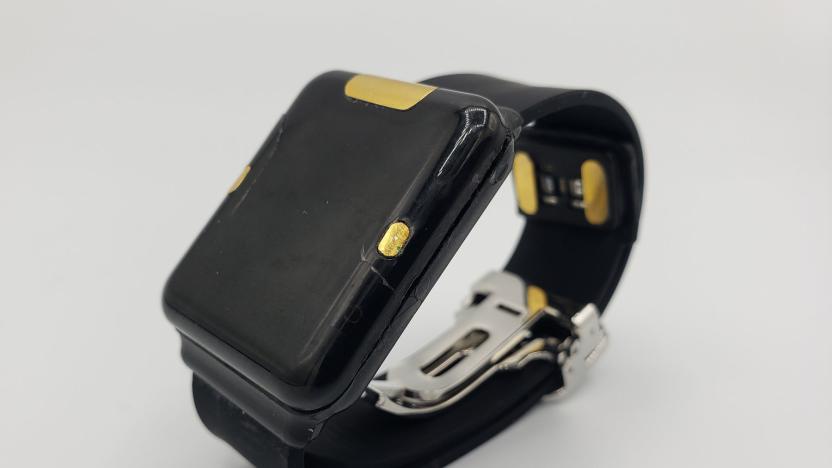
Startup claims its new wearable can monitor blood sugar without needles
It's an outrageous claim, but a huge one if true.
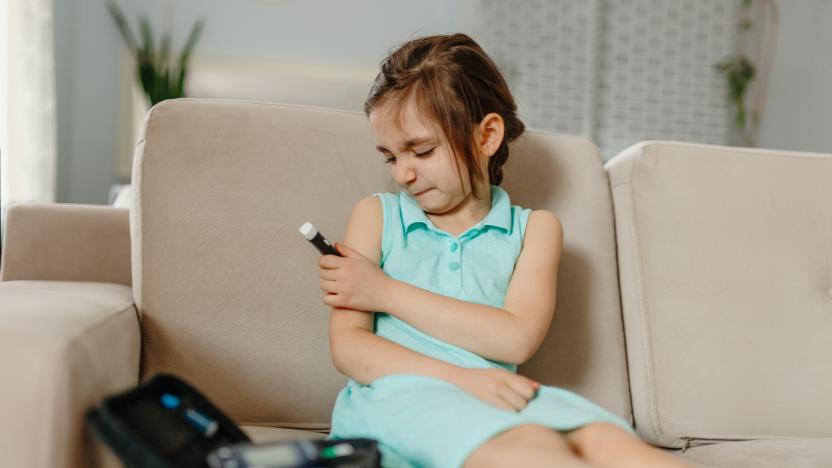
FDA approves first automated insulin system for kids
Testing blood sugar frequently and administering insulin as needed throughout the day isn’t easy, especially if the individual with diabetes is a young child who can’t do it on their own yet. Now, there’s an FDA-sanctioned device that could make things easier for parents and caregivers: The agency has approved Medtronic’s MiniMed 770G System for use in children aged 2 to 6 with type 1 diabetes. It can be used for individuals 2 years old and above, but it’s the first of its kind that can be legally marketed towards kids in that age range.

Telehealth got a huge boost from COVID-19. Now what?
During the height of the coronavirus pandemic, venturing outside in New York felt like preparing for battle. “Cancer doesn’t stop for COVID,” said Dr. Mara Weinstein, assistant professor of dermatology at the University of Rochester Medical Center. Dr. Weinstein told Engadget that she is still seeing patients every day in upstate New York.
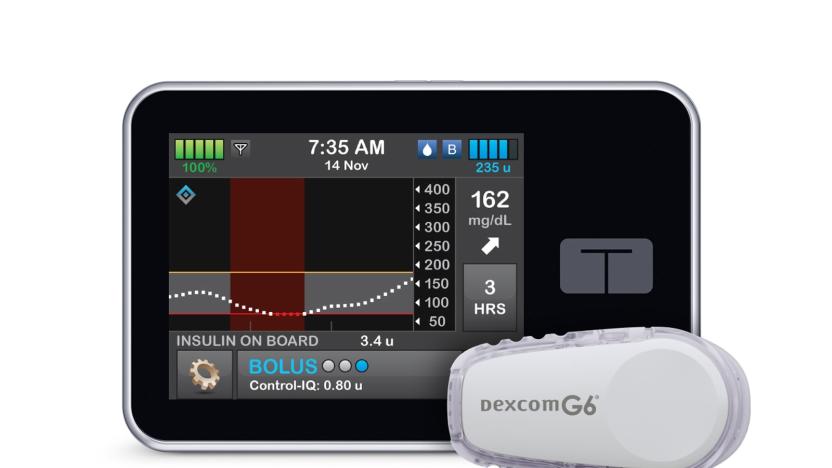
FDA clears an interoperable, automated insulin pump
It might soon be decidedly easier for Americans to manage diabetes -- the FDA has approved the sale of an interoperable, automated insulin pump for the first time. Tandem Diabetes Care's updated t:slim X2 can pair with a Dexcom G6 glucose monitor to dynamically adjust your insulin levels and keep you in a safe glucose range for longer. It can accommodate exercise and sleep, and the Dexcom tie-in spares you from having to stick your finger when you're either dosing yourself at meal time or calibrating.
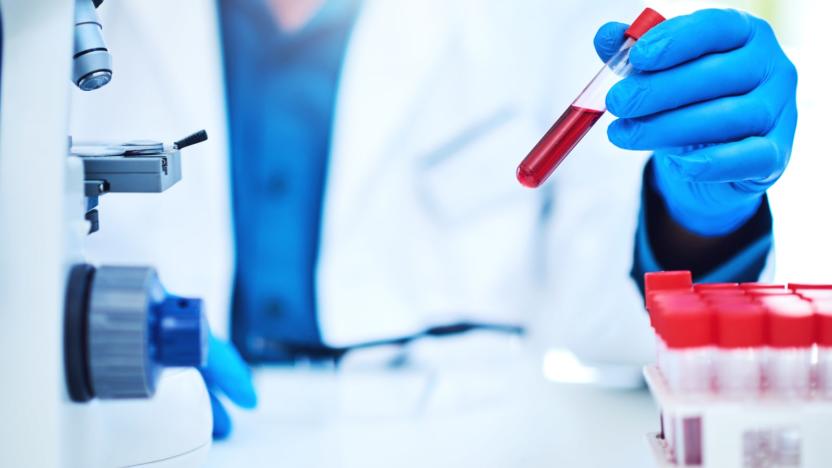
A new blood test could indicate multiple conditions with one sample
A new blood test could use a single plasma sample to assess health and predict the likelihood of developing a range of diseases. Thanks to Theranos, this may sound familiar, but unlike that debacle, this proof-of-concept is backed by research published in Nature Medicine.

Apple starts selling diabetes monitors in its stores
Apple's health push now includes more tools for diabetics. Apple retail stores have started carrying a diabetes tracking product -- in this case, One Drop's blood glucose monitor. It's not a continuous monitor (you have to lance yourself), but its Bluetooth connection to your iPhone and Apple Watch helps you track blood sugar levels with the devices you already use every day. It sells for $70 and includes a year's worth of coaching from a diabetes educator.

AI could be the key to catching Type 1 diabetes much earlier
Will AI lead to a quicker diagnosis of diabetes, a condition often called the silent killer? IBM researchers are hoping so. They recently announced an AI-powered screening tool that could potentially identify Type 1 diabetes antibodies in people's blood.
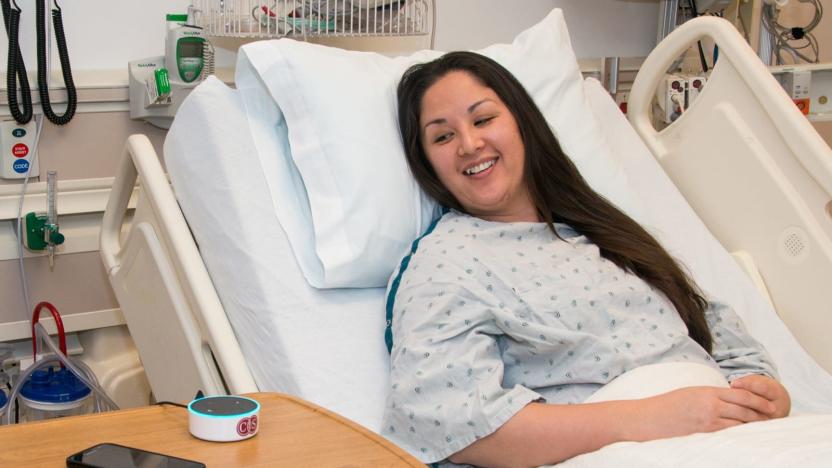
Amazon's first HIPAA-compliant Alexa skills help track your healthcare
Alexa's involvement in healthcare is about to extend well beyond putting Echo speakers in hospital rooms. Amazon has unveiled the first-ever HIPAA-compliant Alexa skills, letting you use the voice assistant to take care of sensitive medical issues. Providence St. Joseph Health's skill can book a same-day appointment, for example, while Cigna and Express Scripts have introduced skills that respectively track wellness incentives and manage prescriptions. Livongo, meanwhile, has a skill for diabetics that can provide blood glucose readings and health tips.
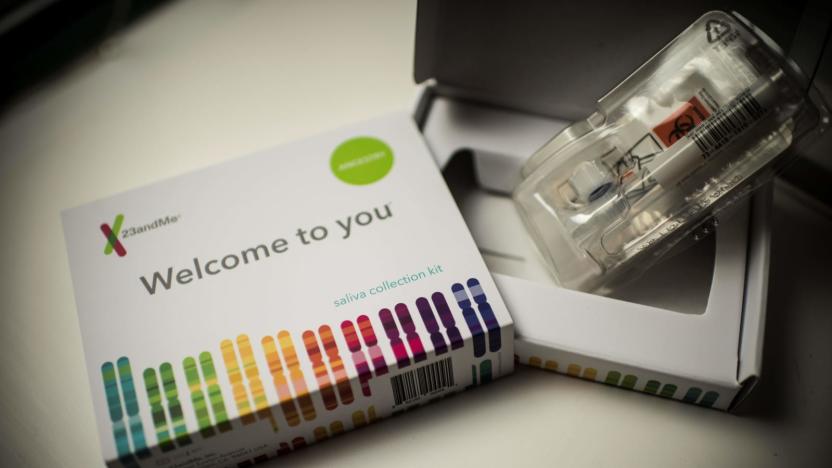
23andMe says gene report can detect the risk of type 2 diabetes
23andMe is betting that its gene testing kits can help identify another major health risk: diabetes. The company plans to offer a report that identifies your genetic predisposition toward type 2 (that is, adult onset) diabetes. Unlike the company's earlier reports, the test provides a polygenic score based on gene variant research data from roughly 2.5 million customers, 70,000 of which reported diabetes -- it's not relying on any public information. Ideally, this would help you change your diet and habits to reduce the chance of developing diabetes.

Stem cell breakthrough could help cure type 1 diabetes
Scientists have edged one step closer to a major treatment for (and possibly cure for) type 1 diabetes. A UCSF team has claimed it's the first to turn human stem cells into the mature, insulin-producing cells that type 1 patients don't have. The key was to acknowledge a reality in the development of islets, or clusters of healthy beta cells (which generate insulin) in the pancreas. They separated partly differentiated pancreatic stem cells into islets, jumpstarting their development and leading to responses to blood sugar that more closely represented mature cells. Even alpha and delta cells grew more effectively, UCSF said.

Researchers develop a painless glucose monitor for diabetics
For those with diabetes, monitoring blood glucose is an essential part of disease management, but unfortunately, the methods for tracking glucose each have their own downsides. Finger-pricking can be a hassle and quite painful, while continuous glucose monitoring systems (CGMS) are often expensive, invasive and less reliable. But researchers at the KTH Royal Institute of Technology in Sweden have developed a microneedle-based CGMS that's more accurate, faster and cost-effective than what's currently available and is also pain-free.


