Dogs
Latest
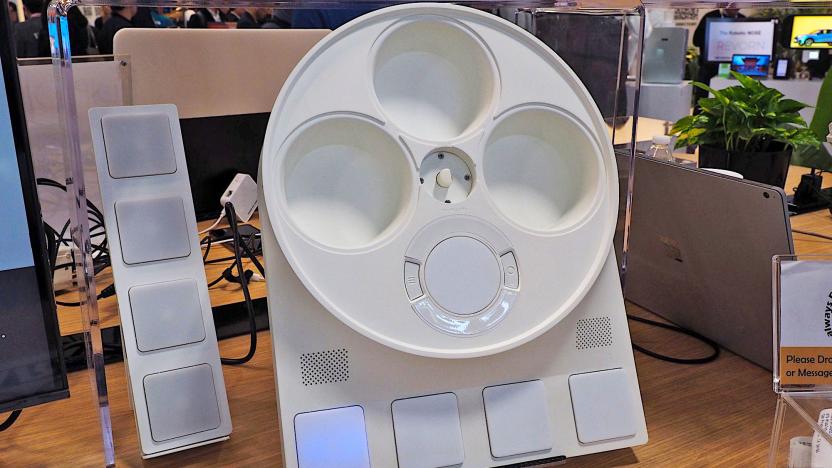
Pet tech at CES 2024: 'Teach' your dog to 'play' this 'piano'
Let's be honest, you've not been doing enough to support your dog's musical career up until this point, have you.

Dog of Duty makes a triumphant return in ‘Modern Warfare II’
Activision is bringing dogs (and one Dogg) back to Call of Duty. A decade after the debut of Riley, the faithful canine companion in Call of Duty: Ghosts, you can now take Merlin, the good boy pictured above, with you for quality companionship and savage finishing moves in season five (BlackCell) of CoD: Modern Warfare II and Warzone 2.0.

Researchers built an AI that recognizes and rewards good doggos
They trained NVIDIA’s Jetson edge AI using more than 20,000 images of very good dogs.

You'll soon be able to pet dogs in 'Ghost of Tsushima'
Developer Sucker Punch Productions has confirmed that you'll soon be able to pet dogs in Ghost of Tsushima. But on October 16th, the period piece will be made even better with a highly anticipated New Game+ mode.
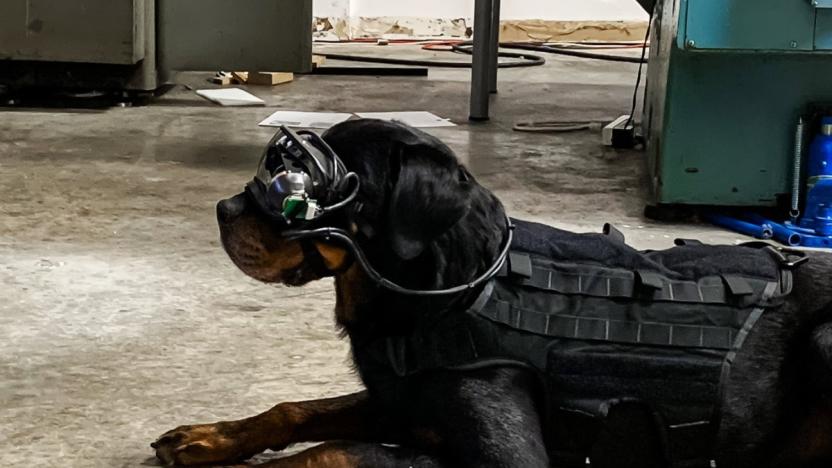
The US Army is putting AR goggles on military dogs to better guide them
Dogs wearing goggles are the cutest — just look at the photo above. In this particular dog’s case, though, the goggles are more than just an accessory: They’re an augmented reality device designed specifically for use by canine members of the military. See, military dogs are in charge of scouting areas for explosives, but handlers usually need to be nearby to issue commands.

Virtual adoptions are literal lifesavers for rescue dogs during a pandemic
“We’re going to continue to have a more virtual presence going forward,” Boucher said. Feta’s clip says she’s happiest while going on walks. In a usual month, Rocket Dog Rescue was able to find homes for 30 dogs on average.

Go Dogo trains your pup while you're away
A bored dog is an unhappy dog. So if you have to commute to the office during the work week, keep your pup entertained and mentally engaged with Go Dogo.
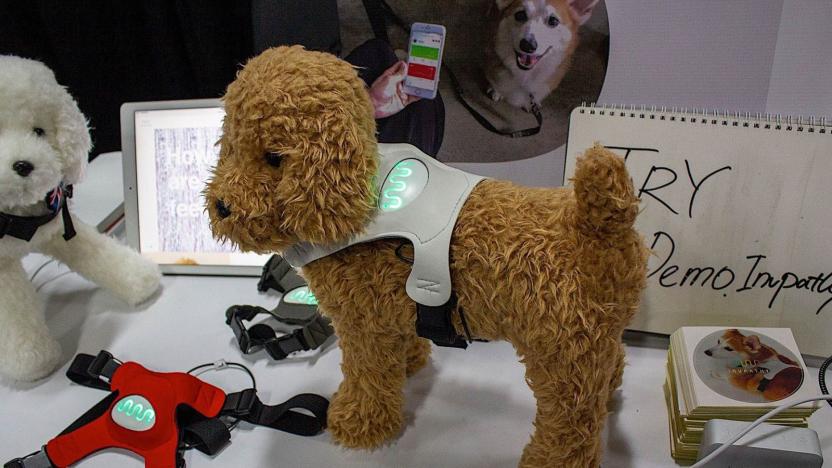
This wearable for dogs claims to reveal their mood
Despite spending the last 32,000 or so years adapting and evolving to become our most loyal companions, a dog's mood can still occasionally prove inscrutable to their human's understanding. Is Fifi yipping because she's excited or scared? With the help of Inupathy's upcoming device, you'll soon be able to tell.
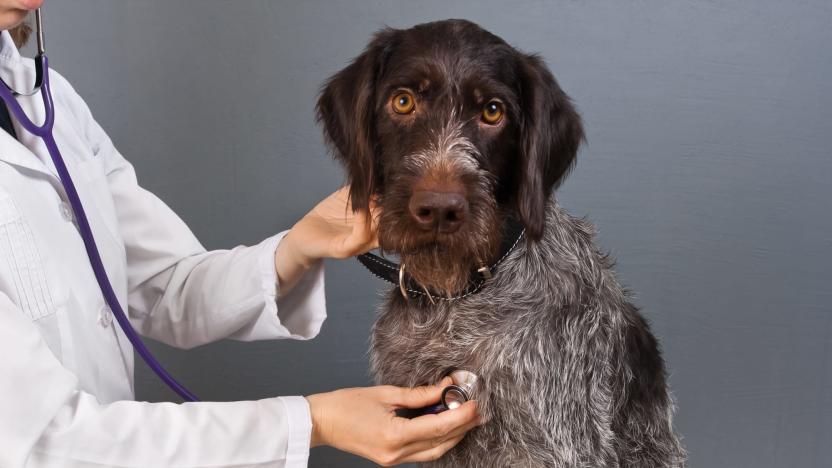
Spay and neuter your pets -- and then bank their stem cells
Being man's best friend has a number of perks, one of which is that dogs get access to all the latest medical science, including, as it turns out, stem cell therapy. A company called Gallant is launching a new bank for canines nationwide (not called Barklays, alas) that allows you to cryopreserve your dog's stem cells for future use.

Tesla rolls out fix for Dog Mode overheating bug
You don't have to worry about Rover roasting due to that Dog Mode bug. The company has confirmed to Engadget that it's rolling out a fix for a flaw that disabled the automatic temperature regulation if you manually set the fan. You can leave your EV knowing that your pooch should stay cool regardless of settings. The person who drew attention to the problem, Unikrn's Rahul Sood, has already received the patch.

Snapchat lenses now officially work on dogs
Let's not kid ourselves, you've tried to use Snapchat's lenses on your dog before. Even if you've managed to make it work, Snapchat hasn't technically dog-friendly at the time. After adding lenses for cats last month, Snapchat announced that its camera will recognize dog faces just like it does humans. That means you can spend the holidays snapping better pictures of your family's pooch with animated pizza or reindeer antlers on its head.
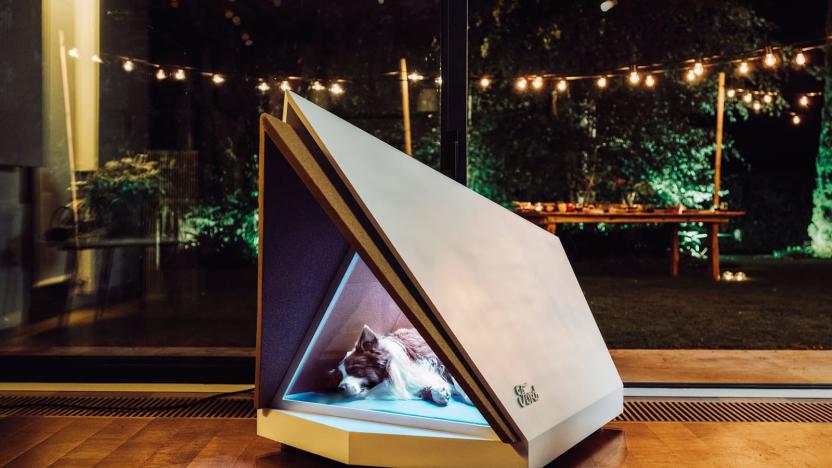
Ford's noise-cancelling doghouse keeps pups calm during fireworks
Many dogs and other pets are terrified of fireworks, and for good reason -- their more sensitive hearing makes that pleasant popping turn into a cacophony of sounds. Ford, however, might provide some relief. The company (which is no stranger to high-tech beds) has built a doghouse that uses noise cancelling to minimize canine agony during fireworks shows. Like the technology in some headphones and Ford's own Edge SUV, the kennel detects explosions with microphones and counteracts them by pumping out frequencies that mitigate the sounds or eliminate them altogether. The body includes soundproofing cork panels, anti-vibration risers and even soundproofed ventilation, while an automatic door helps your pooch quickly take shelter.

Netflix is getting a documentary series about dogs
Netflix is bringing the cute and cuddly cheers with a new documentary series about dogs -- because you can only stream so many true crime shows before locking yourself indoors. Fittingly titled Dogs, the six-episode docuseries charts the bond between "people and their beloved four-legged friends" across continents and even war zones.

Tesla's future 'dog mode' would prevent humans from panicking
Tesla already has a feature to prevent its electric car interiors from overheating. Not everyone knows that, though, and that's a problem when people may call the cops or break into your ride to rescue a pet that's actually quite safe. You might not have to post a please-don't-worry sign on your window for much longer, however. Elon Musk has signaled that he'll implement a "dog mode" in future Tesla software that would tell passers-by not to panic. While he only just agreed to the idea (it's likely a long way off), it could include both a message and the current cabin temperature to assuage jittery humans.

Google's Lens AI camera is now a standalone app
Google has made good on its promise to release a standalone Lens app in the Play Store. The feature is already integrated on most Android phones, and the app doesn't come with any new features, so really it just serves as a quick launch for the platform. It's only available on devices with Marshmallow and above, and already many users are reporting that it's not working properly on some devices, but hey, it's Lens. The feature, which lets you identify artwork, landmarks and even dogs, hasn't always lived up to its promise as a computer vision platform. However, Google has recently launched a load of cool new Lens features, such as text integration and Style Match, so at least the separate app means that everyone will be able to play with them.
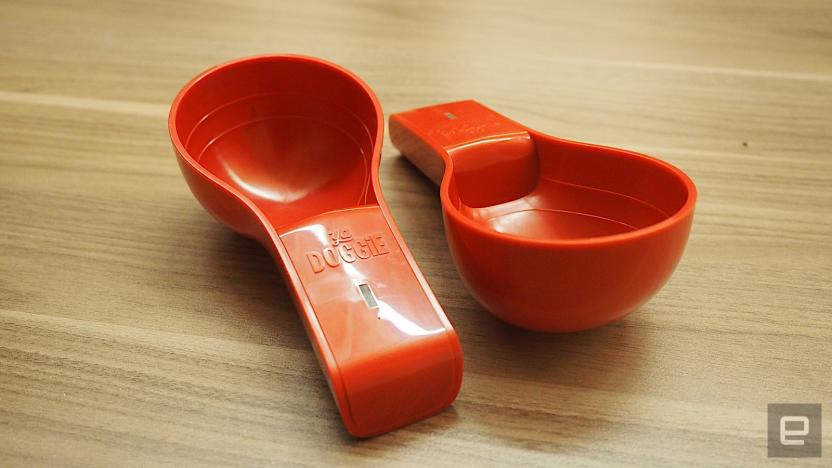
Ya Doggie solves the pet food problem you didn't know you had
The adage that "dogs grow to resemble their owners" is not much of a compliment anymore in America -- namely because it portends that our pets will become as portly as their people. In fact, as CBS News reported earlier this year, a third of American dogs are considerably heavier than they should be and it's shortening their lifespans. However, a smart pet food scoop from Santa Cruz, CA-based Ya Doggie promises to not only help establish better feeding habits but also save you from kibble runs.

Adorable Cozmo robot will soon recognize pets
Owners of the Anki Cozmo robot will soon be able to have it interact with their pets. An upgrade slated to roll out during the week of December 5th will add new functionality to the tiny automaton that includes reactions to dog and cats.

ICYMI: Read your dog's mood swings with tech
try{document.getElementById("aol-cms-player-1").style.display="none";}catch(e){}Today on In Case You Missed It: A new product out of Japan called Inupathy is giving dogs the Dug treatment, with a light up harness that tracks their heart rate, telling you information about their emotions via changes in color. We've no idea if it works as advertised, but you gotta admit the rainbow pattern signaling 'happy' is the most human expression for happiness in animals we could ever think of. Obviously your dog won't know what it means, since the silly loves are color blind.

Dogs understand what you're saying, not just the sound of your voice
One pinnacle of human development has been the ability to comprehend language, thought to be a major achievement separating us from the animals. So it was assumed with dogs, but new research reveals that canines understand more subtleties in speech than we thought thanks to similarities in brain regions to those of humans.

ICYMI: Pig poop could make more eco-friendly roadways
try{document.getElementById("aol-cms-player-1").style.display="none";}catch(e){}Today on In Case You Missed It: The chemical makeup of pig manure is so similar to petroleum that it's being tested as a more bio-friendly way to make asphalt roads, while the leftover bits can be used as fertilizer. Since pigs already produce 43 billion gallons of manure each year, re-using some for road construction might be the smartest thing we've done with bioengineering yet. You can find our diabetes story from Cambridge here, the first banking chatbot from Kasisto here, and the selfie drone that's going to be everywhere, here. As always, please share any interesting tech or science videos you find by using the #ICYMI hashtag on Twitter for @mskerryd


