economy
Latest
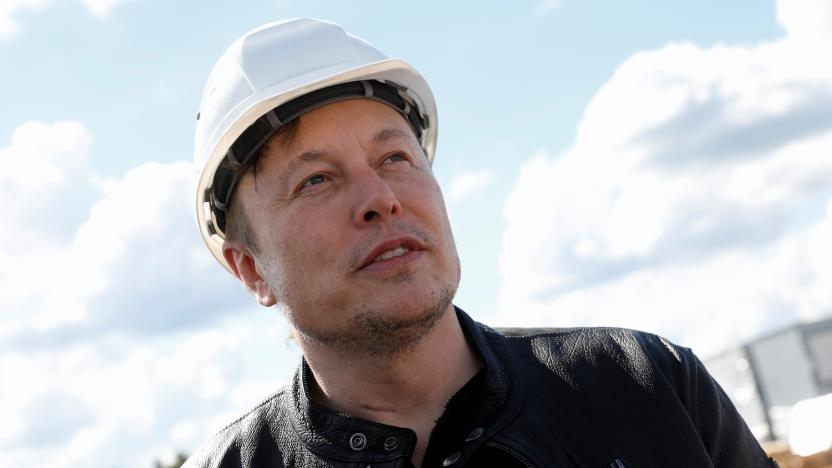
Elon Musk is reportedly looking to cut the Tesla workforce by 10 percent
Tesla CEO Elon Musk reportedly wants to cut around 10 percent of jobs at Tesla.
Lyft joins Uber in cutting back on new hiring
After Uber announced that it was cutting back on hiring and other expenses due to the economic slowdown, rival Lyft is doing the same.

Microsoft is offering low-cost certifications to job seekers
Microsoft believes that one of the best ways to help the economy rebound and reduce the staggering rate of unemployment is to help workers learn new digital skills. The initiative will blend new and existing resources from LinkedIn, GitHub and Microsoft, and it will provide low-cost Microsoft Certifications. LinkedIn Learning “paths” aligned with tech roles like software developer, project manager, IT administrator and data analyst will be free of charge through the end of March 2021.
Apple report says the App Store supported $519 billion in sales last year
The App Store facilitated $519 billion in sales last year.

It’s hard to make real money selling virtual goods
Can you make a living selling tchotchkes inside video games?

Tipping point: The gig economy hits delivery drivers in their wallets
Tipping is ubiquitous to the American service industry with consumers encouraged to give "a little something extra" to their waiters, bartenders, and baristas, dry cleaners, dog-walkers and delivery drivers. But it wasn't always like this. The practice of tipping started in England and made its way to our shores at the turn of the 18th century where it met strident social opposition. Deemed the "vilest of imported vices" by an 1899 NYT op-ed, anti-tipping sentiment reached its peak in 1915 when six states outlawed the practice outright. Since then, tipping has grown into the status quo, so much so that restaurants are allowed to pay their tipped staff less than the federal minimum wage and nobody even bats an eye, though the practice is once again falling out of favor -- this time at the hands of the gig economy.

'Call of Duty: Modern Warfare' swaps loot boxes for a battle pass
Activision has confirmed its post-launch plans for Call of Duty: Modern Warfare, and they're generous to say the least. All future maps and new modes will be released for free, there won't be any loot boxes or a season pass, and the game will feature crossplay across all platforms. It's a major departure from previous games in the series.

NASA opens the International Space Station to commercial ventures
The International Space Station (ISS) is open for business. NASA announced today that it plans to commercialize the ISS, so that "U.S. industry innovation and ingenuity can accelerate a thriving commercial economy in low-Earth orbit." According to a press release, NASA will open the space station to private astronauts, as well as commercial product development, testing and manufacturing.
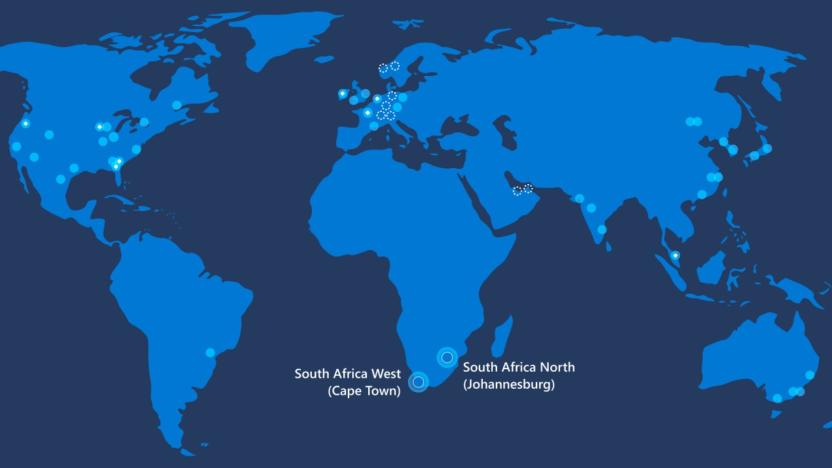
Microsoft beats Amazon to open the first cloud data center in Africa
Microsoft has become the first major cloud provider to open a data center in South Africa. Its two new Azure facilities in Cape Town and Johannesburg have been in the works since 2017, and while they were originally slated to go live in 2018, their arrival still pips other big players to the post -- Amazon plans to open a data center there in 2020, while Huawei announced back in November its intention to deliver on the continent later this year.

China bumps up renewable energy target to reduce reliance on coal
China, the world's biggest energy consumer, is stepping up its push into clean power with a revised renewable energy target. The nation is now aiming for renewables to account for at least 35 percent of energy consumption by 2030, whereas its previous target only stipulated "non-fossil fuels" making up 20 percent of energy use within the same time frame.

Trump expected to announce more China tech tariffs within days
The White House isn't just dismissing technology companies' concerns about tariffs on China, it's picking up the pace. Both Reuters and the Wall Street Journal have learned that the Trump administration is likely to formally announce its latest tariffs on Chinese goods within the next few days (possibly as soon as September 17th). Imports for "internet technology products," circuit boards and other electronics are still likely to become more expensive, although the tariff level is reportedly set at 10 percent, not the originally proposed 25 percent also used for earlier tariffs. The administration may have lowered the tariffs to reduce the chances that companies would instantly raise prices to make up for the higher costs.

Argentina residents use Facebook 'barter clubs' to make ends meet
Social networks can provide valuable services to the less fortunate, but sometimes they may be as much symptoms of problems as they are solutions. Reuters has reported that Argentina's poor are increasingly turning to Facebook-based "barter clubs" to trade goods in return for essentials they couldn't otherwise afford in a country grappling with high rates of inflation and unemployment. The groups had popped up in conventional forms in previous difficult years, but Facebook's rapid growth has made it the go-to option. This isn't a small-scale Craigslist-like exchange, we'd add -- there are frequently "hundreds" of people gathering at any given time.

The US will help save ZTE even though it broke international laws
Last year the US imposed a trade ban on American companies supplying equipment to Chinese telecoms giant ZTE Corp. Now, it appears the two countries are trying to work things out. According to sources briefed on the confidential negotiations, there has been a "handshake deal" between US Treasury Secretary Steven Mnuchin and Chinese Vice Premier Liu He which will lift the ban that effectively crippled ZTE's operations.
Apple plans to add 20,000 jobs, new campus in the US
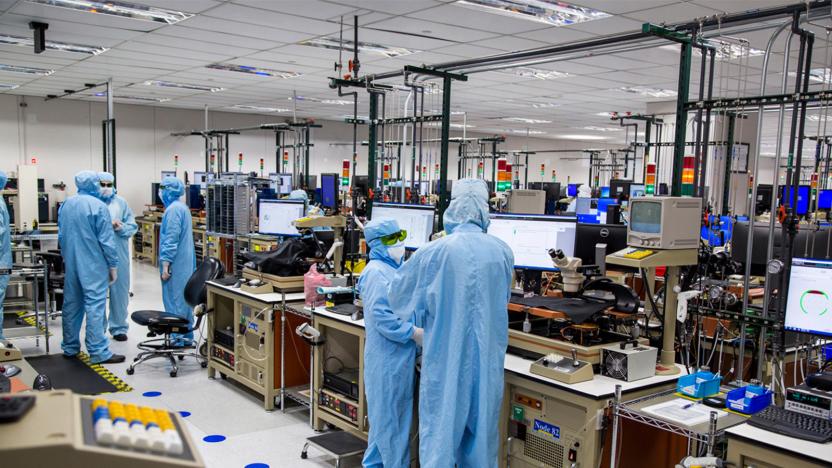
Apple is determined to show that it's investing in the US economy despite its tax moves and foreign manufacturing. The company has announced a slew of investments it claims will pump a total of $350 billion into the US economy, highlighted by its focus on (what else) jobs. It expects to spend $30 billion in capital expenses that will create more than 20,000 new positions over the next 5 years, both at its existing buildings and a new location (to be unveiled later in 2018) that will initially focus on tech support.

Bitcoin is failing as a currency
It's been a good year for bitcoin investors but a terrible one for those who hoped that the cryptocurrency would become the de facto tender for the internet. Satoshi Nakamoto, its creator, may be dismayed at what has become of the project, intended as peer-to-peer electronic cash that didn't require the supervision of banks. Instead, bitcoin has become an investment vehicle, embraced by many on Wall Street, an asset class like every other. For all the success of the blockchain and bitcoin's soaring value, it's clear that Nakamoto's original vision has failed.
Venezuela will start its own digital currency to beat sanctions
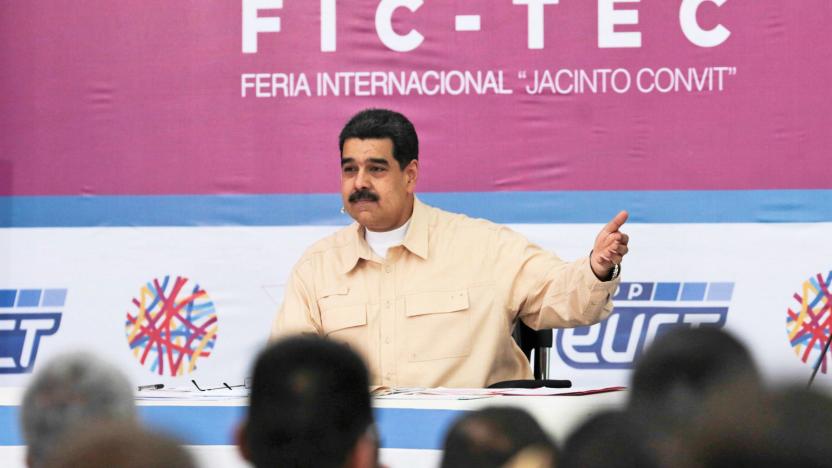
The authoritarian streak of Venezuela's recent leaders has cost the country dearly. Mismanagement and sanctions have crippled its infrastructure, its money is increasingly worthless and the public is fuming. President Maduro thinks he has a solution, though: creating the country's own cryptocurrency. The "petro" will be backed by Venezuela's key natural resources (diamonds, gas, gold and oil) and, in theory, will help it get around the "financial blockade" imposed by the US and other nations.
Tech companies file briefs supporting challenges to DACA withdrawal
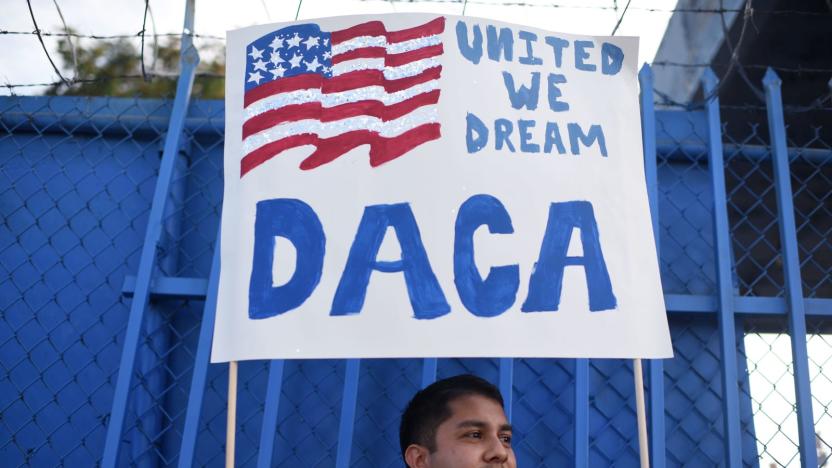
Major tech companies are still voicing their support for Deferred Action for Childhood Arrivals (DACA), a program that protects undocumented immigrants that came to the US when they were children. President Trump decided to end DACA protections in September and while tech companies spoke out in support of DACA prior to and following that decision, many have now filed a document backing those that are challenging the president's move in court.
Treasury secretary doesn't see AI as a threat to jobs
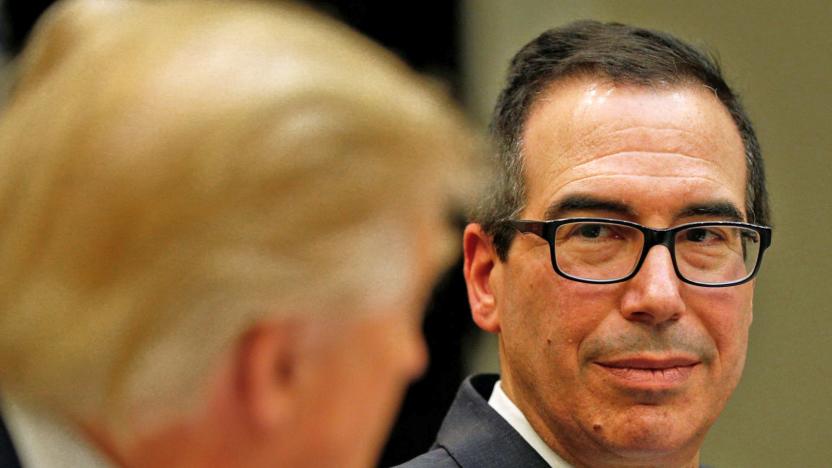
Anyone who's been paying attention to the rise of machine learning and artificial intelligence over the last decade likely will admit that those technologies are going to effect the economy in ways we can't fully predict quite yet. For treasury secretary Steve Mnuchin, however, it's apparently business as usual. In an interview today with Mike Allen from Axios, Mnuchin said that technology that could displace jobs was "50 to 100 more years" away and that the issue is "not even on my radar screen."

The Engadget Podcast Ep 29: Re-Offender
Managing editor Dana Wollman and senior editor Nathan Ingraham join host Terrence O'Brien to talk about the biggest tech stories of the week. Of course, that means Uber and the growing controversy around its corporate culture -- including allegations of rampant sexism. They'll also address Samsung's plans to sell refurbished Note 7s, Bill Gate's endorsement of a robot tax and PewDiePie's most recent controversy. Then it's time to unwind a bit, and the group has some reading and listening suggestions. Plus, Dana wants your recipes.

'Pokémon Go' tries to save the world at a major conference
How would you tackle important social issues through technology? If you're Niantic and The Pokémon Company, you have people play a game. They're teaming up with the Global Goals and Project Everyone campaigns to raise awareness of issues through special Pokémon Go locations at the World Economic Forum in Davos, Switzerland. A total of 17 locations are turning into PokéStops based on each of the Global Goals, such as "no poverty" and "reduced inequalities." The Congress Centre at the heart of the Forum will also become a Gym, and there's a promise of additional Global Goals material in the spring.


