electricity
Latest
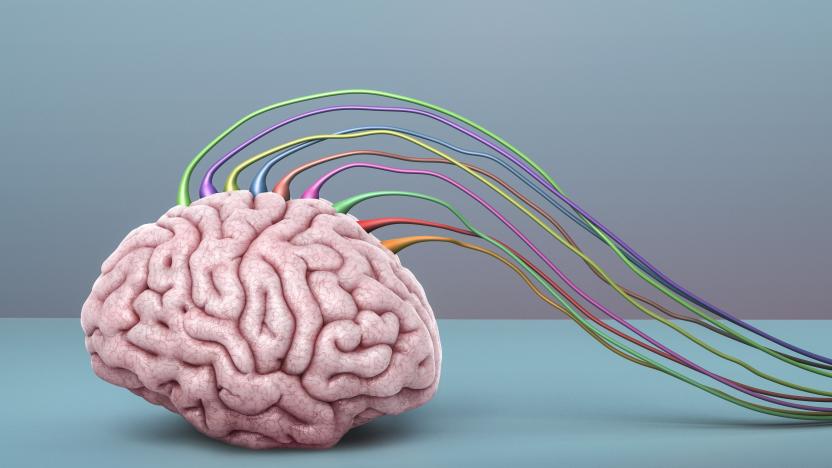
Hitting the Books: Could we zap our brains into leading healthier lives?
In "We Are Electric," Sally Adee delves into two centuries of research into an often misunderstood and maligned branch of scientific discovery, guiding readers from the pioneering works of Alessandro Volta to the life-saving applications that might become possible once doctors learn to communicate directly with our body's cells.

Tokyo will require new housing projects to install solar panels starting in 2025
Many new homes built in Tokyo will require solar panels to be installed starting in April 2025.
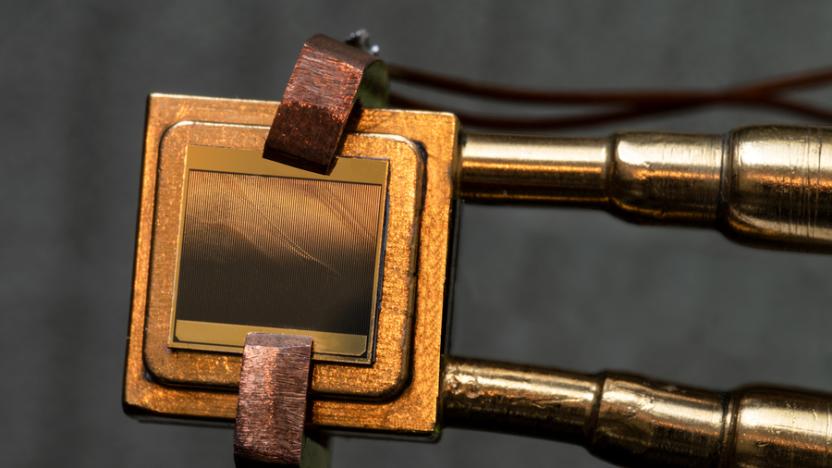
Thermophotovoltaic cell converts 40 percent of heat energy to electricity
Researchers have revealed a new thermophotovoltaic (TPV) cell that can convert heat to electricity with over 40 percent efficiency.
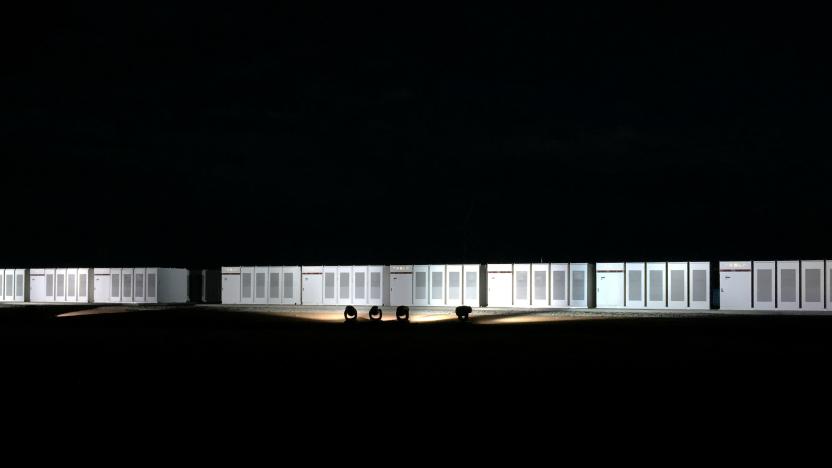
Tesla applies to become an energy supplier in Texas
Tesla wants to sell electricity directly to consumers in Texas.
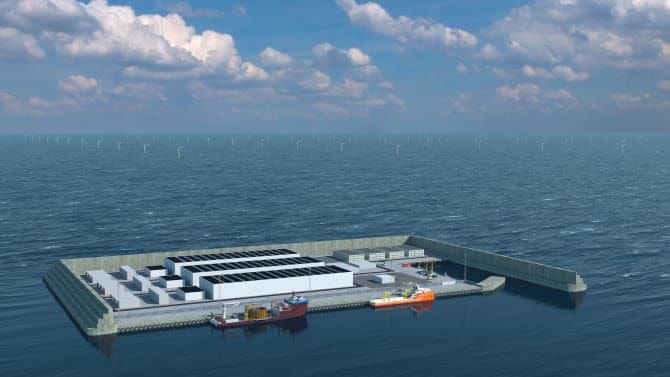
Denmark will build a wind-generating artificial island in the North Sea
The long-rumored island is expected to begin operations in 2033.

Rain may soon be an effective source of renewable energy
There have been numerous attempt to generate electricity using rain, but this may be one of the more effective solutions yet. Researchers have developed a generator that uses a field-effect transistor-style structure to instantly produce a surprisingly high voltage from water drops -- a single drop can muster 140V, or enough power to briefly light up 100 small LED bulbs. Earlier generators without the structure produced "thousands" of times less instant power density, the scientists said.

Airbitat's Compact Cooler promises 'deeply cooled' energy-efficient AC
You might not think of your air conditioner (AC) as contributing to climate change, but typical AC units use quite a bit of power, which leads to higher greenhouse gas emissions. In a vicious global warming cycle, as the planet gets hotter, more people will turn to air conditioning. So, companies like Airbitat are working on more efficient cooling methods, like the Airbitat Compact Cooler, which just won a CES 2020 Climate Change Innovator Award.
The UK likely got more power from renewables than fossil fuels last quarter
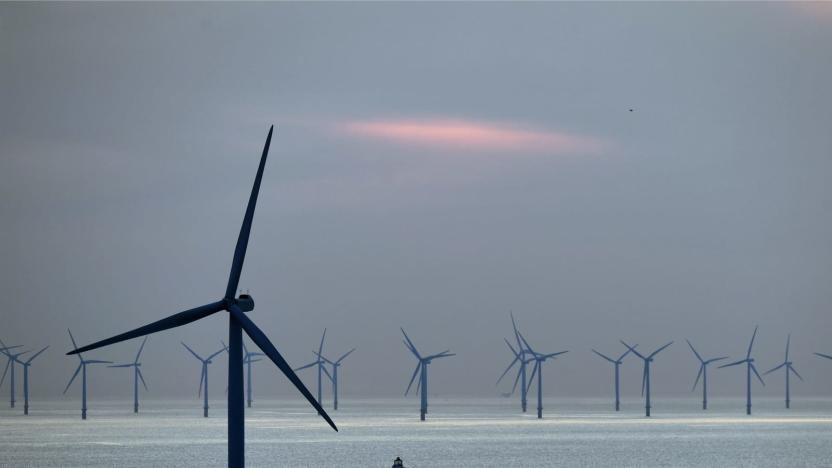
The UK generated more power from renewable sources than from fossil fuels in the third quarter of 2019. This is the first time that's happened since the UK opened its first public electricity-generating station in 1882. The findings, revealed in an analysis by Carbon Brief, speak to progress the country has made in transforming its electricity system over the past decade.
Lyft offers free rides to relief centers during PG&E blackouts
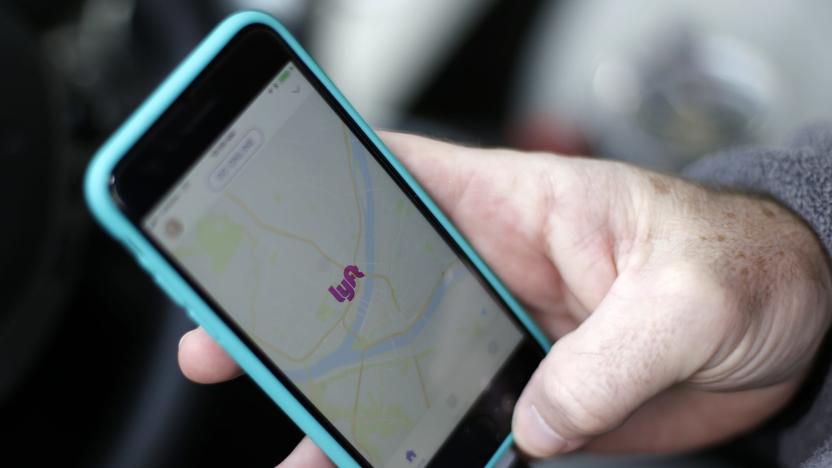
With the planned power blackouts in California expected to continue for the next several days, Lyft is offering free rides until the end of October 15th to respite centers across parts of northern California. Each center includes restrooms, bottled water, a place to sit and charge your mobile devices, as well as air conditioning. Just note that they'll only be open during the day. Visit Lyft's website to view the full list of relief centers to see if there's one near you.
800,000 Californians could be without power by the end of the day
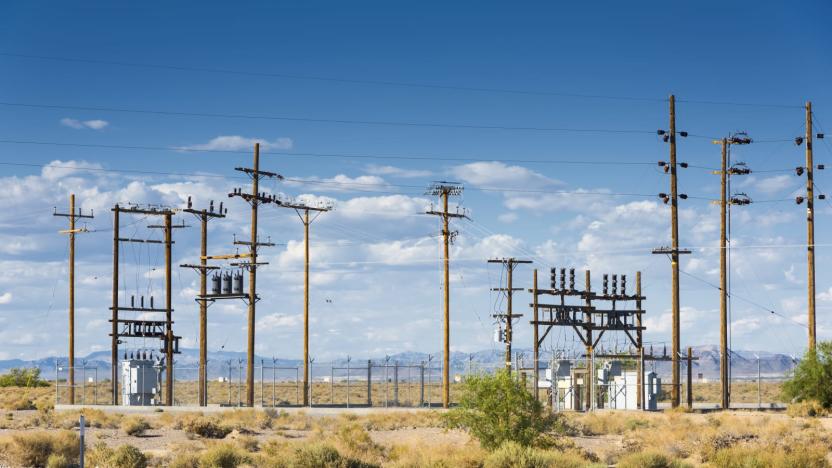
By the end of the day, more than half of all California counties could be without power. In an attempt to prevent wildfires, the state's largest utility Pacific Gas & Electric (PG&E) is rolling out a planned power outage. Once fully implemented, it will leave an estimated 800,000 customers in the dark and span from Silicon Valley to the Sierra.

Honda will offset 60 percent of its US electricity use with wind and solar
Honda plans to cover 60 percent of the electricity used at its North American manufacturing plants with renewable energy. Beginning next fall, Honda will purchase 530,000 MWh per year from the Boiling Spring Wind Farm in Oklahoma. In fall 2021, it will begin receiving 482,000 MWh per year from a Texas solar facility. According to Honda, this deal is the largest single purchase of solar and wind power by any automaker.

Tesla's Megapack is a battery built for the electrical grid
Tesla's utility-sized energy storage has become a practical reality. The tech company has introduced the Megapack, a container-sized battery meant for "large-scale" storage that could help quickly deploy renewable energy and even replace conventional "peaker" power plants that come online when there's high demand. A single Megapack has up to 3MWh of storage, or roughly 14 times the 210kWh of a Powerpack. That, in turn, leads to very rapid deployments. Tesla claimed it could deploy a clean 250MW, 1GWh power plant in less than three months, or four times faster than a similarly-sized fossil fuel plant.

UAE debuts the world's largest individual solar power project
The United Arab Emirates might still be associated with oil money, but it just set a record for reducing its dependence on oil. The Emirate Water and Electricity Company has started running Noor Abu Dhabi, the largest individual solar power project in the world. At 1.18 gigawatts of peak capacity, it's only eclipsed by solar parks (where multiple projects share space) -- it makes the US' biggest facility, the 569MW Solar Star, seem modest by comparison.
Bird is adding a shareable electric motorcycle to its fleet
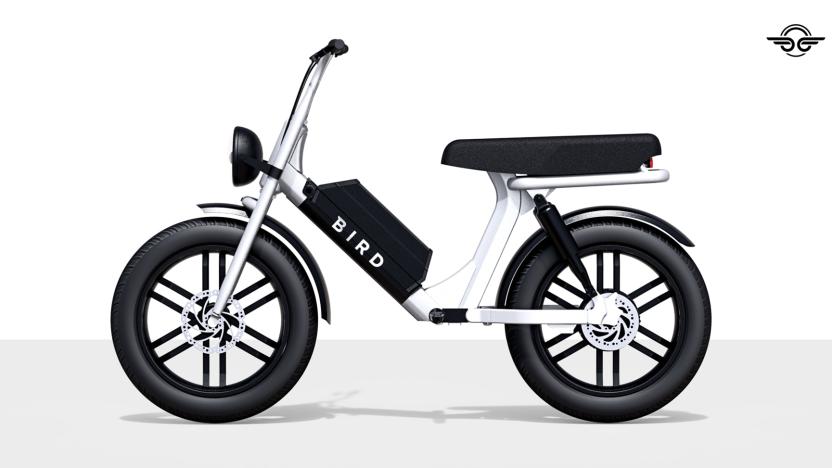
Bird, the company that rents out electric razor scooters, is adding an electric motorcycle to its fleet of micro-mobility vehicles. The Bird Cruiser is described as a "seated electric vehicle," which can carry up to two adults at a time. You'll get a padded seat, a choice of pedals or pegs for your feet, and hydraulic disc brakes to ensure safe stopping.

Washington votes to decarbonize its electricity grid
Washington is one step closer to decarbonizing its energy grid. According to a bill voted in by the Washington House of Representatives last week, the state will end coal use by 2025, have a carbon-neutral grid by 2030 and its power sector will be emissions-free by 2045.

Self-charging pacemakers are powered by patients' heartbeats
Millions of people around the world depend on pacemakers, defibrillators and other life-saving implantable devices. The problem is, their batteries need to be replaced every five to ten years, requiring surgery that's not only expensive, but carries the risk of complications and infections. Now, though, a team of scientists are developing an implantable biomedical device that can be recharged with energy from cardiac activity.
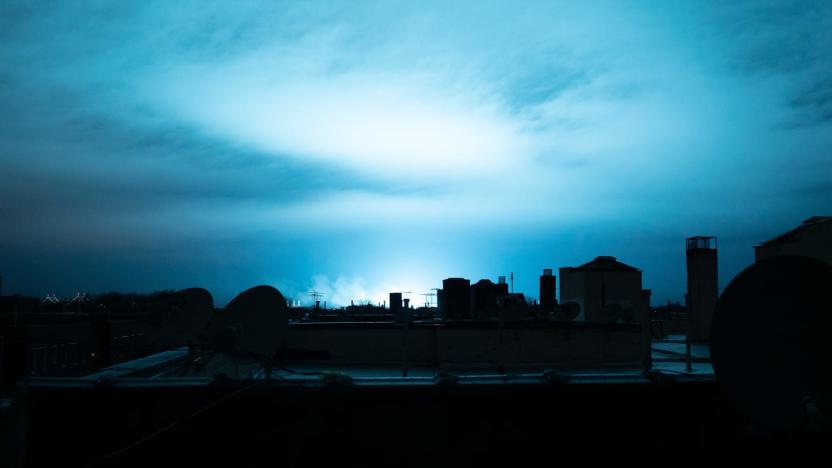
Electrical fault at power plant turned New York’s skyline blue
Last night, people across New York City spotted an eerie light show when the night sky was lit up by a bright, pulsing blue light. Images and videos of the event quickly flooded social media, leaving many in and outside of New York wondering just what was going on. The culprit was identified shortly thereafter -- a Con Edison power plant in Astoria, Queens. And while the bright blue light was initially believed to be the result of an explosion at the plant, the company said this morning that it was caused by an "electrical fault" that caused an arc flash.
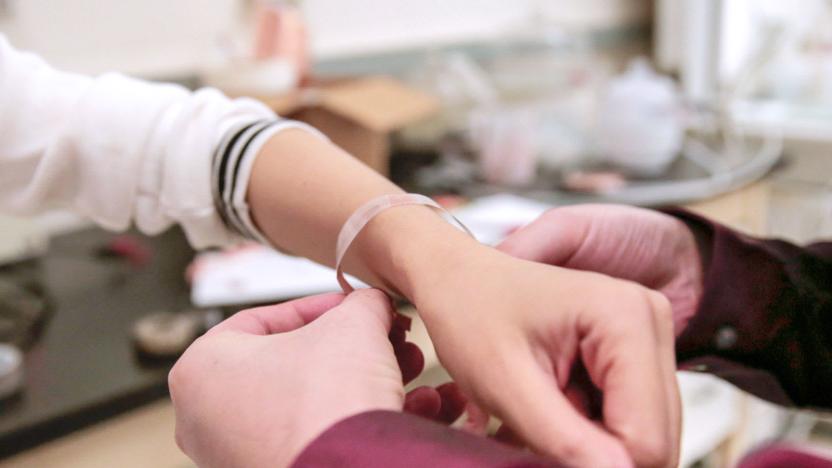
Self-powered electric bandages could speed up healing
Scientists have known for a long time that electricity can speed up healing for skin wounds, but the necessary power has usually tied patients to electrotherapy machines. In the future, though, it might not be much more complicated than treating a wound the old-fashioned way. Researchers in the US and China recently developed self-powered electric bandages that promise to be as easy to wear as ordinary dressings. The dressings include tiny electrodes powered by nanogenerators wrapped around your torso. All you have to do is breathe -- the movement of your ribcage activates the nanogenerators, sending low-intensity pulses to the wound area.
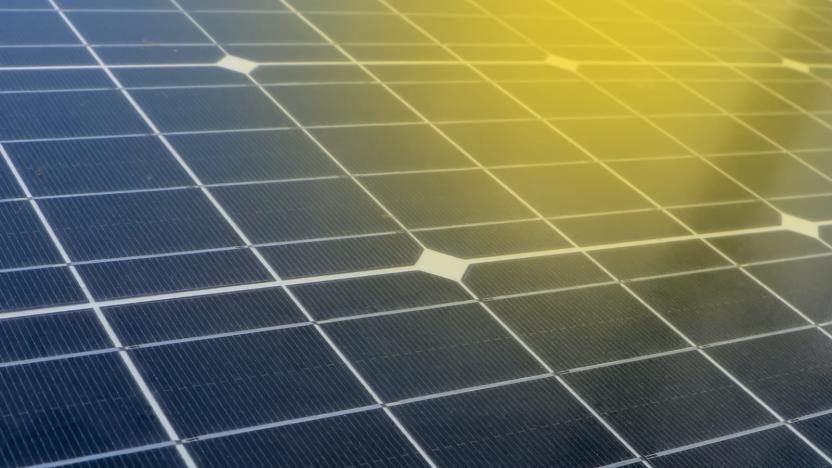
New solar cell generates hydrogen and electricity at the same time
In the ongoing pursuit of abundant, renewable alternatives to fossil fuels, scientists have produced hydrogen for fuel cells through artificial photosynthesis, which splits water into hydrogen and oxygen. Traditional processes have struggled to use optical, electronic and chemical properties in a way that makes this method efficient, but now researchers from Berkeley Lab have created a recipe that could completely bypass the limitations in current materials.
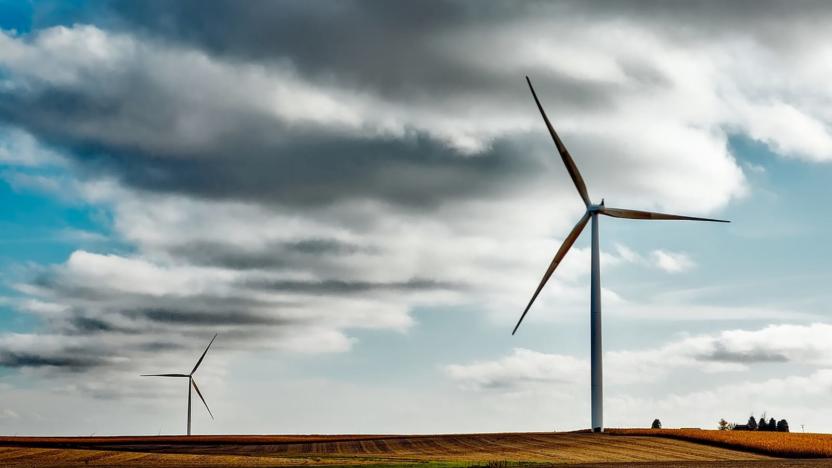
A major UK energy supplier is now 100 percent wind power
Scottish Power has become the first of the UK's "big six" energy companies to completely drop fossil fuels for electricity generation, after selling off its remaining gas plants to power company Drax in a £702 million deal. In a statement, Scottish Power said the move supported its vision to leave "carbon generation behind for a renewable future powered by cheaper green energy."


