RAM
Latest
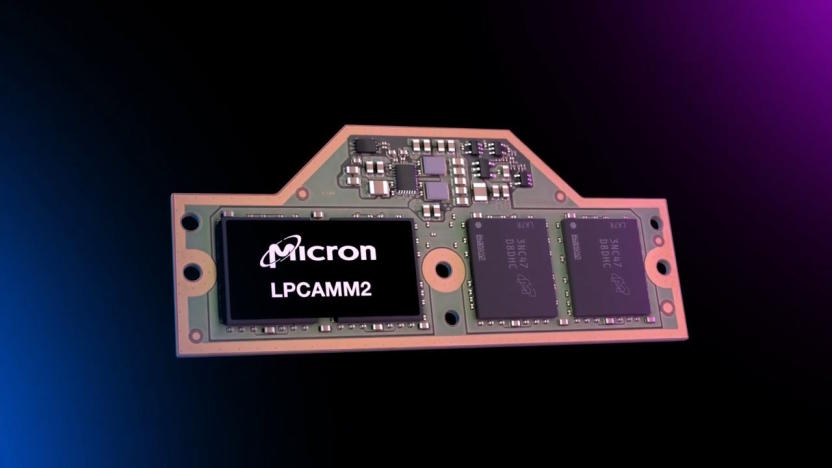
Micron debuts LPCAMM2, laptop RAM that could finally replace SODIMM
Micron says it's the first to market with a compelling to standard laptop RAM: LPCAMM2 RAM using LPDDR5X modules.
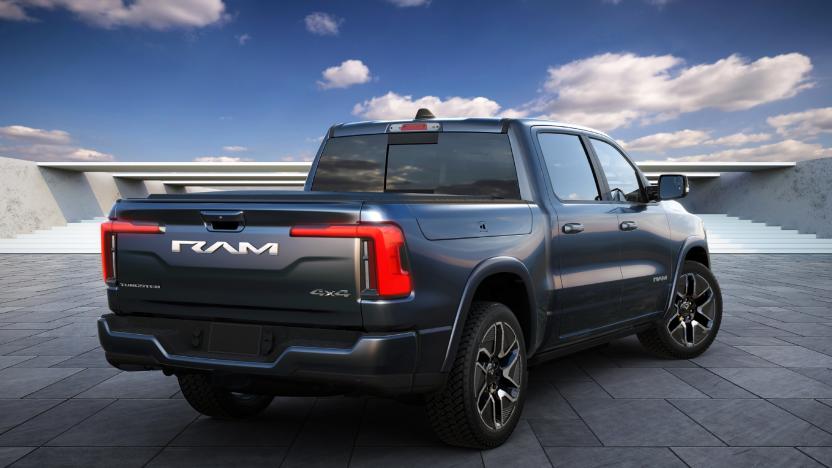
Ram 1500 REV electric truck beats F-150 Lightning with 500-mile range
Stellantis says the upcoming Ram 1500 REV will offer up to a 500-mile range, longer than any electric pickup available. The automaker officially announced the electric truck at the New York International Auto Show today after teasing an ultra-sleek concept in January and a production reveal in February.

Ram 1500 REV reservations sold out in less than a week
Stellantis opened up $100 deposits for its electric Ram truck on Super Bowl Sunday, but they didn't last long.

The best of CES 2023
After canceling our CES plans in 2022 (and not even having the option of attending in person in 2021), the Engadget team sent a dozen staffers to CES 2023 this week, including reporters, editors and videographers. Here are Engadget's top picks from 11 categories, and our overall favorite from this year's show.
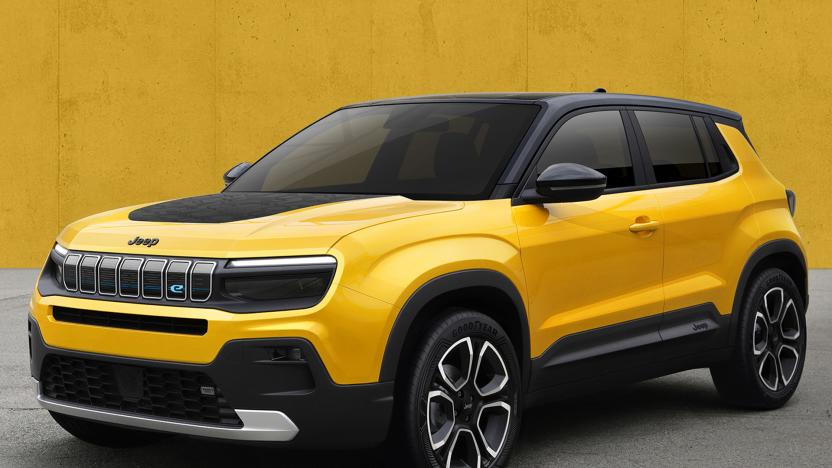
Jeep's first all-electric SUV arrives in 2023
Stellantis has announced the first all-electric Jeep SUV, and a Ram 1500 EV won't be far behind.
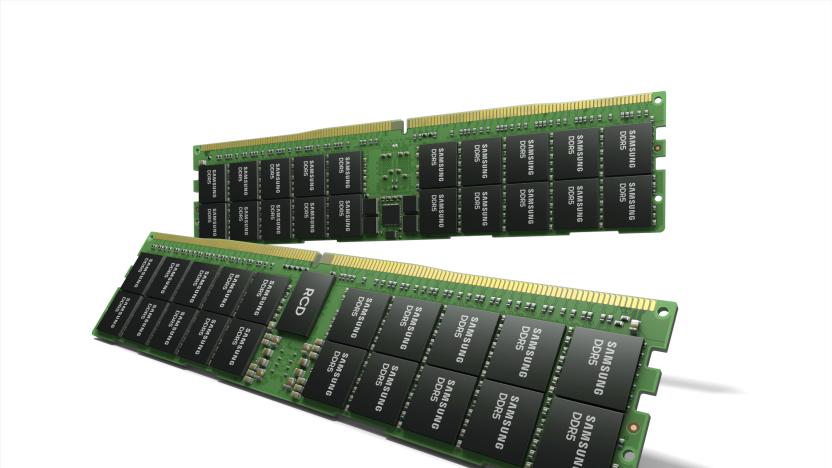
Samsung's 512GB DDR5 module is a showcase for the future of RAM
Samsung has unveiled a new RAM module that shows the potential of DDR5 memory in terms of speed and capacity.
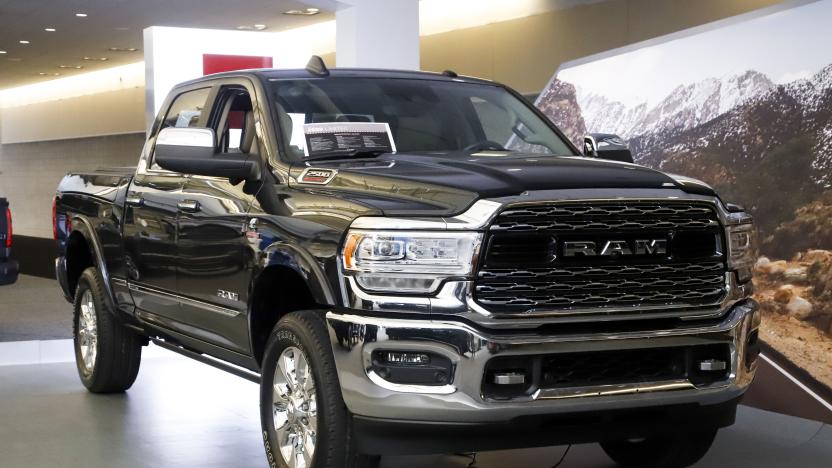
Ram is working on an electric version of its popular pickup truck
Fiat Chrysler's CEO confirmed a Ram EV or hybrid is in the works.
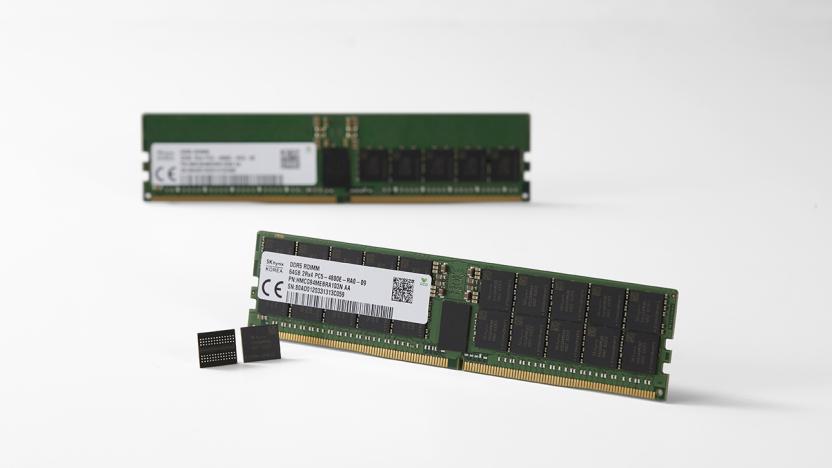
The first DDR5 RAM modules promise faster, more efficient PCs
Korean chip manufacturer SK Hynix has unveiled the world’s first 64GB DDR5 RAM modules, marking a big step away from DDR4 SIMs that have dominated PC memory since 2013.

Samsung says its latest mobile memory is a production breakthrough
Samsung claims to have smashed a production barrier with a new LPDDR5 memory chip for smartphones and other mobile devices.
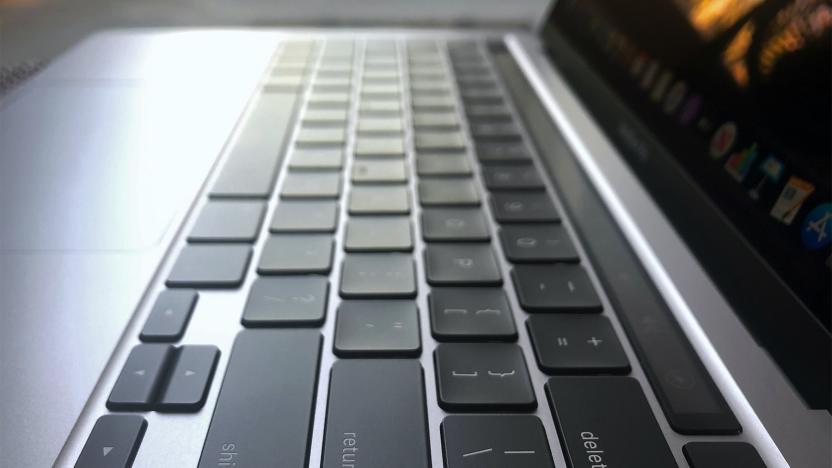
Apple doubled the price of RAM upgrades on the base MacBook Pro
Upgrading the 13-inch MacBook Pro from 8GB to 16GB of RAM used to cost $100. Now it costs $200.
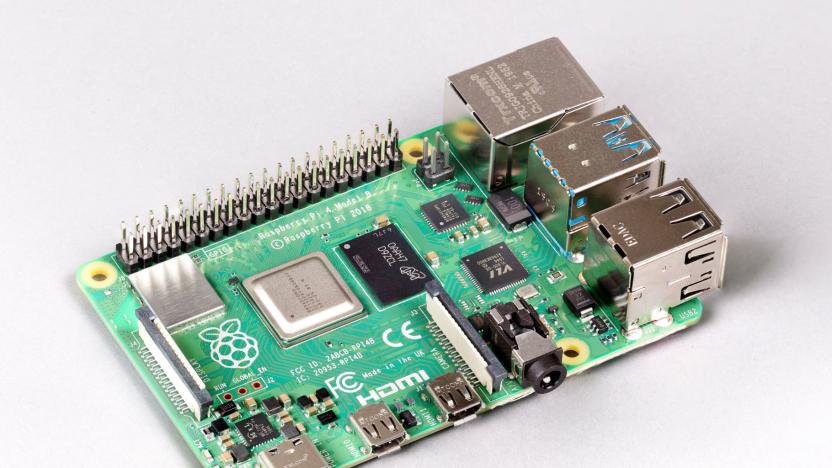
The Raspberry Pi 4 now comes with up to 8GB of RAM
The Raspberry Pi 4 is now available in an 8GB version.

Opera's gaming-focused GX browser comes to macOS
If you're one of the many people that play games on your Mac, one thing you may not appreciate is a resource-hog browser. The answer might be Opera's GX, unveiled earlier this year on PC, which is finally available on macOS in early access mode. Opera said that it solves resource problems via limiters on CPU, RAM and network bandwidth. "What this means in practice is that everyone's machines are left with more resources for running games," the company said.
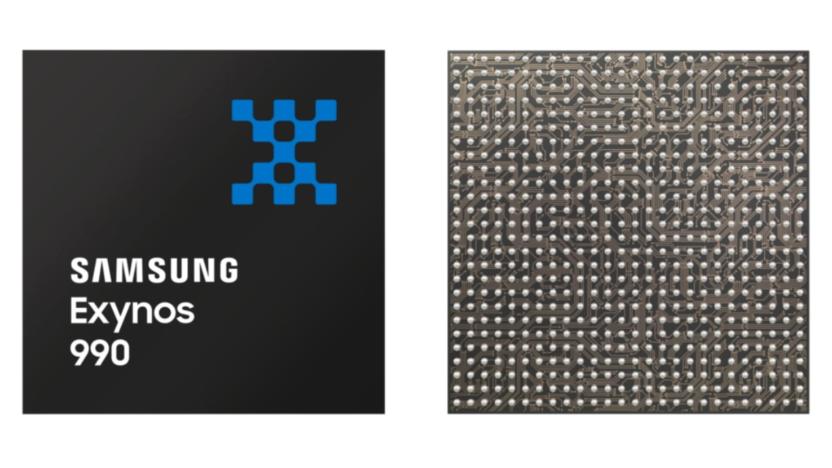
Samsung says its new flagship processor is 20 percent faster
Samsung has unveiled a bunch of new chips that mean the next slate of smartphones are going to be faster, more efficient and have much improved battery lives. If you go for next year's flagship Samsung Galaxy, chances are it'll come with the newly-announced Exynos 990 processor, which according to the company is offers a 20 percent improvement in performance or a power efficiency gain of up to 20 percent.

Opera built a browser just for gamers
With over a billion PC gamers on the planet, it's about time someone launched a gaming-friendly browser -- and that's exactly what Opera has done. The previously hinted at Opera GX goes into early access availability today, and offers a bunch of features and options that will make PC gaming smoother and more customizable.

Apple dropped the price on several expensive Mac upgrades
Apple's iMac updates weren't the only changes the company made today. With less fanfare, it also lowered the cost of SSD upgrades for the MacBook Air, MacBook Pro and Mac mini. It lowered the cost to upgrade the 2013 Mac Pro RAM, too. These changes were first spotted by MacRumors. While they make the priciest SSD upgrades less expensive, the more reasonable upgrades -- the ones most people might actually buy -- haven't changed.

Intel's desktop 9th-generation Core chips can handle 128GB of RAM
To date, Intel's mainstream processors haven't supported more than 64GB of RAM. That's not a crisis-inducing problem right now (only demanding pros are likely to notice), but the time when you'll want more is on the horizon. Thankfully, Intel is prepared. The company has confirmed to AnandTech that its desktop 9th-generation Core processors support up to 128GB of DDR4 RAM. Newer, denser memory technology makes that possible, the company said. An update in "a few months' time" will enable the extra headroom.
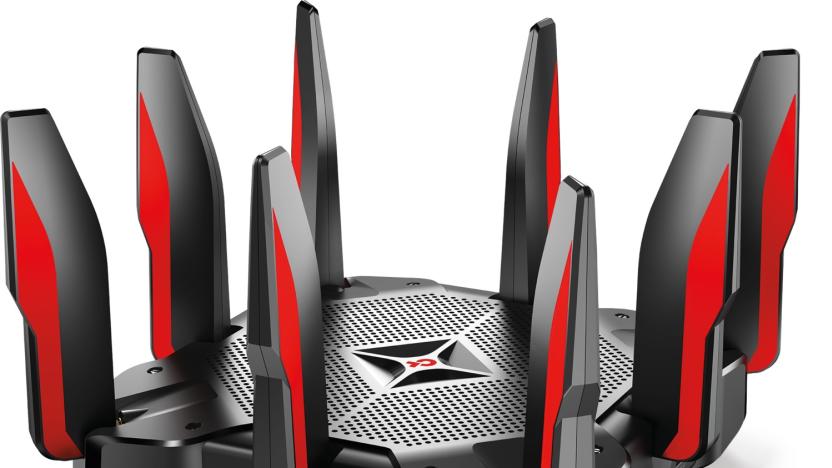
TP-Link's latest WiFi router is a gaming beast
TP-Link has unveiled its most powerful gaming router yet, and it's jacked. The Archer C5400X features 1.8 GHz 64-bit quad-core CPU, three co-processors and 1 GB RAM to reach WiFi speeds up to 5400 Mbps over one 2.4 GHz (1000 Mbps) and two 5 GHz (2167 Mbps) bands. And it comes with three WiFi bands, eight Gigabit LAN ports and one Gigabit WAN port. In other words, it's a superfast monster. Eye-watering specs aside, look at it. Look at those antennae. This isn't a router you want to shove behind the TV. Get it at Amazon, Newegg, Fry's Electronics and Micro Center for $400.
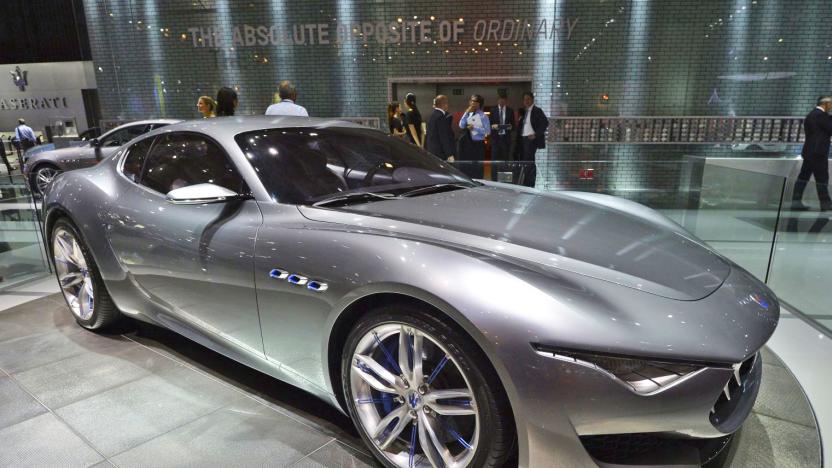
Fiat Chrysler will launch over 30 EVs and hybrids by 2022
Fiat Chrysler isn't exactly the first name that comes to mind when you think of electric cars. Where Ford, Volkswagen and other brands are basing their long-term roadmaps around EVs, Fiat Chrysler has been hesitant to make more than the occasional hybrid. Now, though, it's ready to make up for lost time... if only just. As part of a five-year plan, the company has announced that it will launch over 30 vehicles with some kind of electrification by 2022, whether it's a full EV, a plug-in hybrid or a conventional hybrid. To that end, it's investing €9 billion ($10.5 billion) into the development of these greener machines.
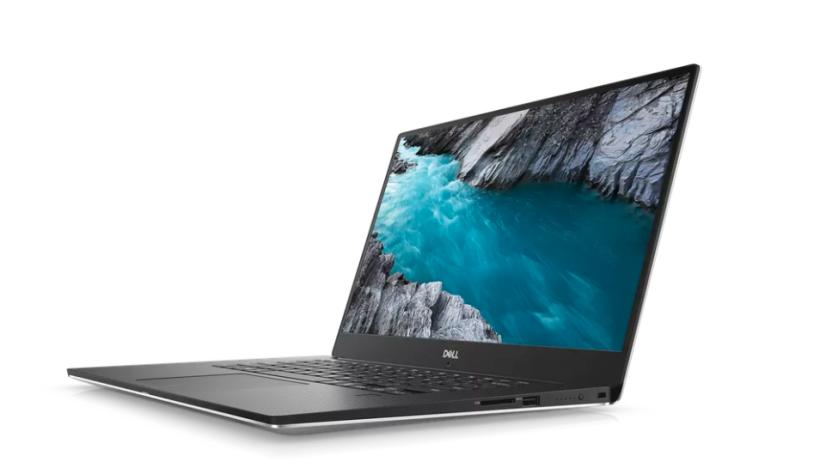
Dell's new XPS 15 has faster chips in the same bezel-less body
Dell has just revealed its new spring lineup, and among the all-in-ones and gaming PCs taking centre stage is the revamped Dell XPS 15 -- and it's the most powerful version yet. While it looks largely the same as its 2017 predecessor, with an identical chassis, what lies beneath packs a serious punch.
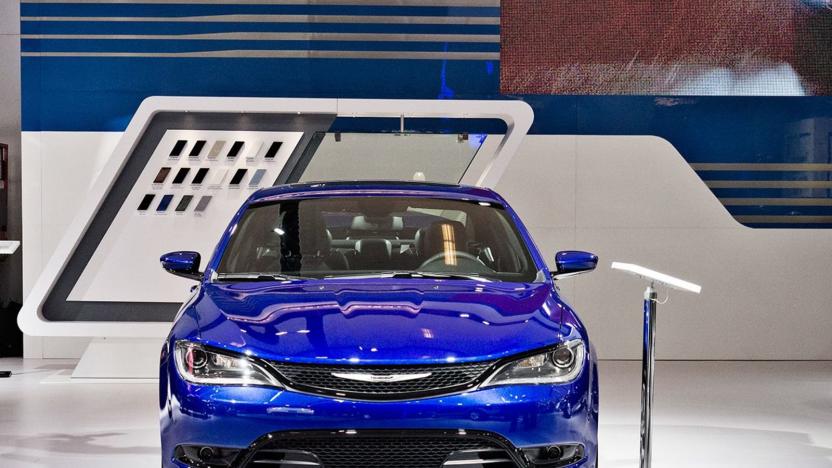
Fiat Chrysler reportedly phasing out diesel passenger cars by 2022
Fiat Chrysler's diesel plans are back in the spotlight again. The Italian-American car maker was hit with several lawsuits last December, each claiming that the company's heavy-duty pickup trucks used devices aimed at cheating emissions tests. Last month, the EPA said that Chrysler had violated the Clean Air Act, alleging that the company had installed software in some diesel vehicles that increased emissions. Now Fiat Chrysler Automobiles (FCA) is apparently ditching diesel as a fuel source in its passenger cars by 2022, according to a report in the Financial Times.


