Seagate
Latest
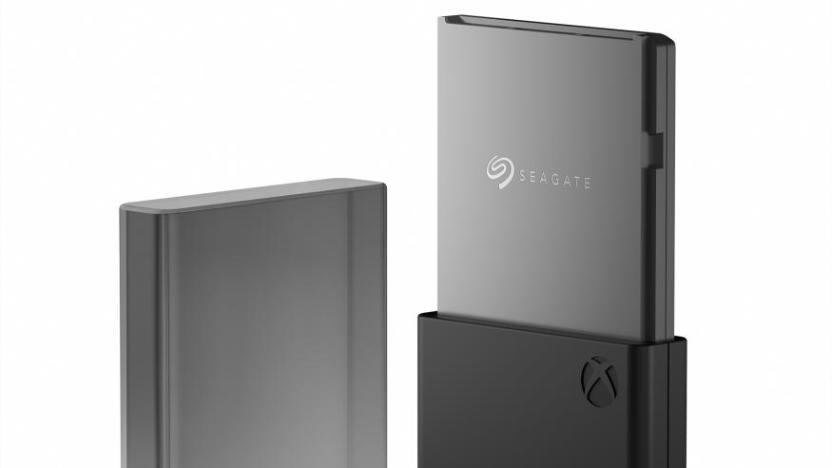
Microsoft permanently drops the price of Xbox Series X/S storage
Following a week-long discount, Microsoft is making recent price cuts to Seagate Xbox Series X/S Expansion Cards permanent.
Seagate's Xbox Series S/X Expansion cards fall to a new all-time lows
Seagate's Expansion Card allows you to double or triple your storage with no loss of speed, and there's never been a better time to buy one.
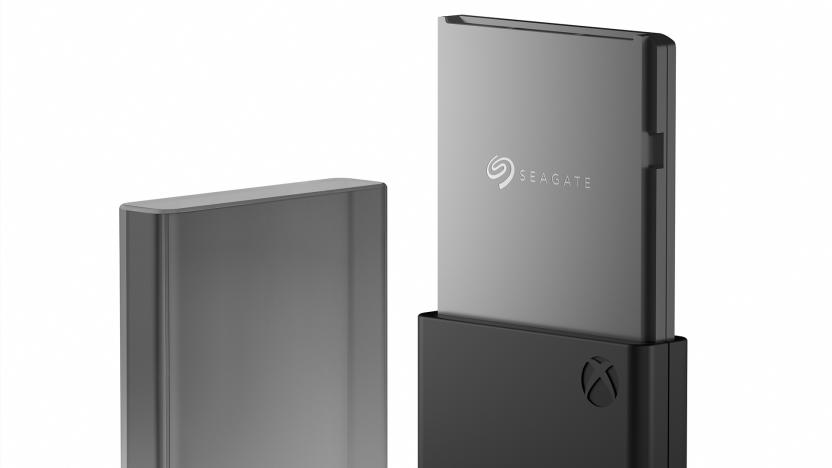
Seagate's 1TB Xbox Series X/S storage card is back on sale for $200
Seagate's 1TB Xbox Series X/S expansion card is down to $200, making it easier to add room for games.
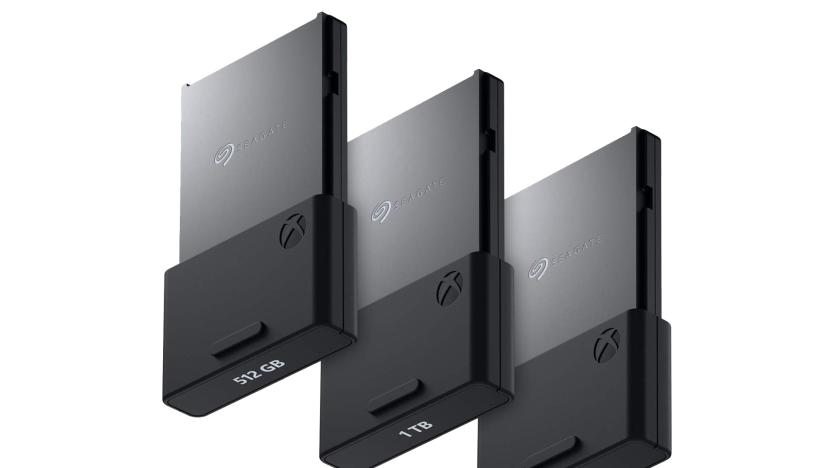
Seagate now offers a 2TB expansion card for your Xbox Series X/S
Seagate has introduced a 2TB Storage Expansion Card for the Xbox Series X and S to effectively triple your console's storage.
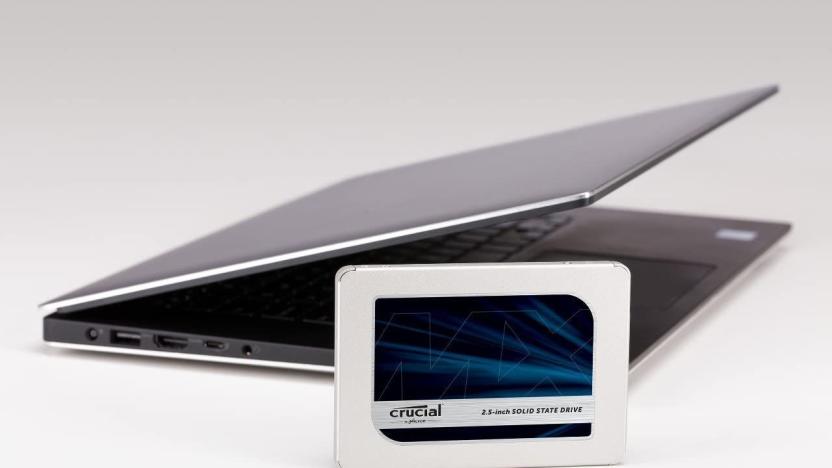
Amazon cuts up to 30 percent off hard drives, SSDs and removable storage
A daily deal on Amazon cuts up to 30 percent off hard drives, SSDs, SD cards and other storage devices.

Seagate's 1TB Game Drive for Xbox Series X, Series S costs $220
Xbox Series X and Series S require these 1TB Game Drive expansion cards to add storage for next-gen games, and to get one it will cost you $220.
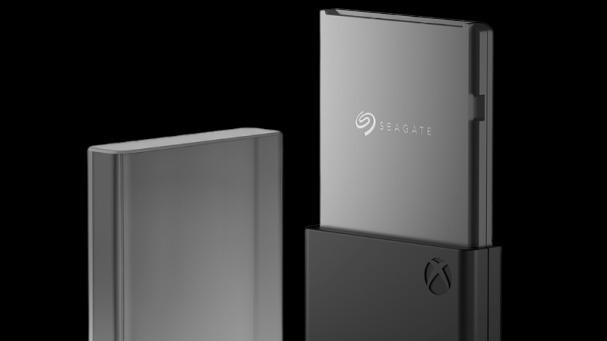
Microsoft confirms Xbox Series S supports storage expansion cards
You don't need to be stuck with only 512GB of storage.

Seagate's Xbox Series X storage card has 1TB of space, but no price
Microsoft only just revealed that the Xbox Series X will support "expansion cards" that allow for faster storage, but it already has an accessory maker lined up. As you might have noticed in the hardware preview, Seagate has introduced a Storage Expansion Card for the Series X that will deliver an additional 1TB of game space while maintaining the same performance as the console's built-in SSD. If you primarily intend to play games optimized for the new system, this may be vital -- 1TB is already something of a tight fit with the current generation.
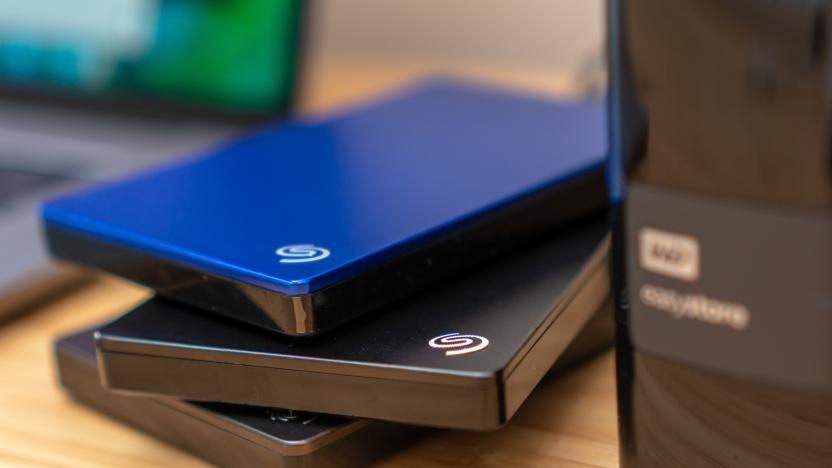
The best external hard drives
By Justin Krajeski This post was done in partnership with Wirecutter. When readers choose to buy Wirecutter's independently chosen editorial picks, Wirecutter and Engadget may earn affiliate commission. Read the full guide to external hard drives. We've spent hundreds of hours researching and testing external drives to find the best options for any use and budget. If you want a dependable external drive that has plenty of storage space for documents and photos and is easy to take on the go, get the 2 TB Seagate Backup Plus Slim. But we also have recommendations if you want more storage space, if you want something more reliable or even faster, or if you need to regularly move large amounts of data from one computer to another with an external drive.
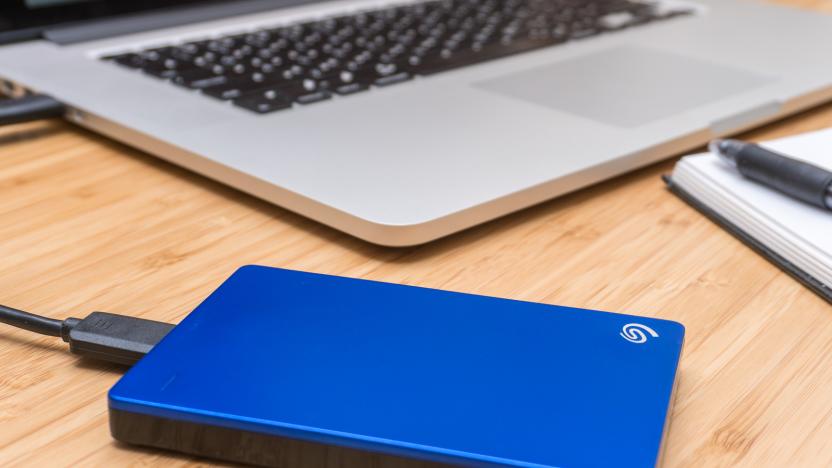
The best portable hard drive
By Justin Krajeski This post was done in partnership with Wirecutter. When readers choose to buy Wirecutter's independently chosen editorial picks, Wirecutter and Engadget may earn affiliate commission. Read the full guide to portable hard drives. After 18 hours of new research and testing, we found that the 2 TB Seagate Backup Plus Slim is still the best portable hard drive for most people. It's reliable, it's one of the lightest, thinnest hard drives we tested, and it was faster than the competition in our backup and file-transfer tests. The Slim has been one of our top picks for the past four years, and it's the only portable hard drive that we've tested that doesn't sacrifice size, speed, or reliability. Every other 2 TB portable hard drive is significantly larger, performs slower in our tests, or has a failure rate that's too high to recommend. The Slim has an acceptable 9-percent reported failure rate among nearly 2,701 user reviews. We recommend the 2 TB model because it's a great value. Seagate includes handy backup software, too. If you want more storage and don't mind a larger, heavier drive, we continue to recommend the 4 TB Seagate Backup Plus Portable, which costs less per terabyte than the 2 TB Backup Plus Slim. It was faster at sequential reading in our HD Tune test, but it was slower in our other testing. It's twice as thick as our top pick and almost twice as heavy, too. (Make sure not to buy the 4 TB Seagate Backup Plus Fast by mistake—that's a different drive that we do not recommend.)

Seagate's latest portable SSDs are wrapped in fabric and camo
How do you spice up an external drive when it's difficult to stand out based on specs alone? Make them look right at home clipped to your backpack. Seagate has introduced a line of One Touch SSDs covered in either fabric (if you prefer plain black or white) or Special Edition camo patterns. It's a simple trick, but it might do the job if you're tired of sterile-looking drives that scream "technology." They're very pocketable as well, at just under 3 inches long.

Seagate slapped a PlayStation logo on a hard drive to match your PS4
You've had the option of attaching external storage to the PS4 for a while. If you find the existing options just too gauche, though, you're in luck. Seagate is releasing an officially licensed Game Drive that brings 2TB of additional space to your PS4 while matching the aesthetics of the console. It's ultimately a standard portable USB drive with a PlayStation logo on top, but that's not necessarily a bad thing -- it's still an easy way to add extra room for games (roughly 50 more, Seagate said) or cart your library to a friend's place.
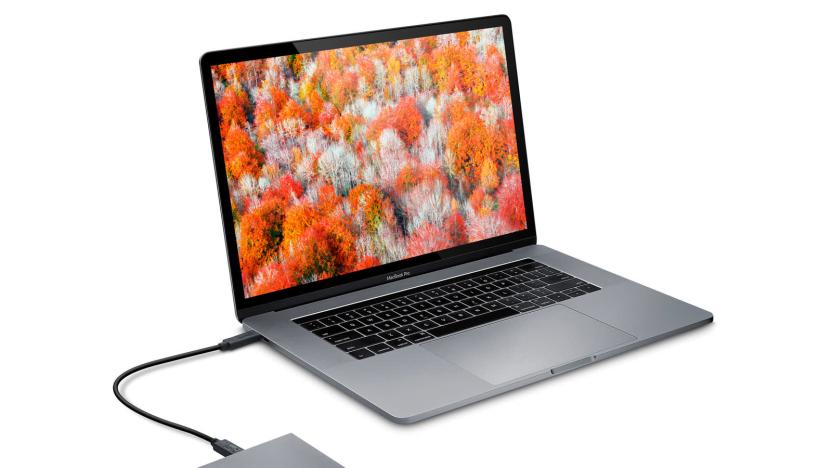
LaCie's chiseled 5TB USB drive aims to make storage stylish
LaCie (and its parent Seagate) is still determined to inject some style into the world of external hard drives -- thankfully, with some improved functionality as well. Its 2019 Mobile Drive touts a chiseled-looking "diamond cut" metal design that wouldn't look out of place next to a MacBook Pro (you can still use it with Windows PCs, of course). The real allure, though, is the raw capacity -- you can opt for a 5TB version if you're editing gobs of media on the road, and even the slim version packs 2TB.
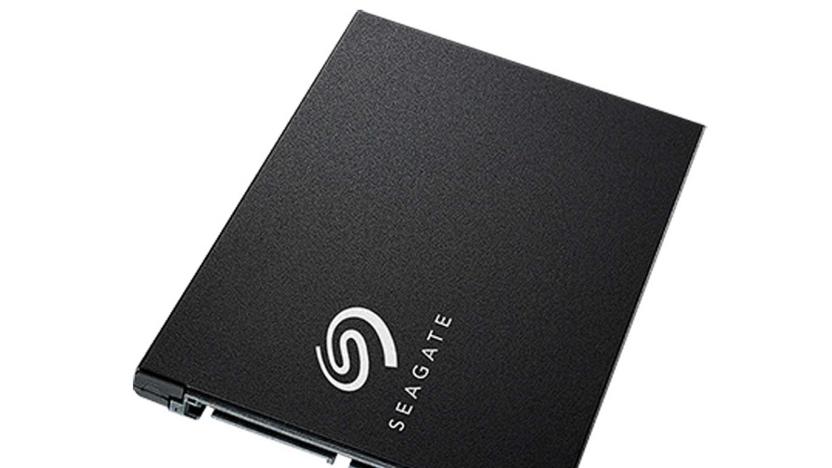
Seagate courts PC enthusiasts with Barracuda SSD (update: pricing)
Seagate has offered SSDs for a while, but it's not what you'd call a strong supporter. Unless you're an enterprise user, you're typically either buying a hybrid drive or looking to one of the many alternatives. The company is determined to change its reputation, though: it just launched a Barracuda SSD built for PC enthusiasts. It's a relatively familiar-looking 2.5-inch SATA drive with sequential speeds up to 560MB/s and capacities ranging from 250GB to 2TB, so it won't compete with the NVMe drives that are all the rage as of late. However, the BarraCuda should be more than enough for a speedy boot drive.

Seagate's hard drive/battery fanny pack is made for VR
In addition to the major software update for the Vive Focus standalone VR headset yesterday, HTC also unveiled the Seagate VR Power Drive which, as the name suggests, is a hybrid of a power bank and a portable hard drive. This isn't an entirely new idea, of course, but it's the first of such kind designed with VR usage in mind. Specifically, this device packs 5,000 mAh of battery juice -- almost doubling that of the Vive Focus -- plus 1TB of storage space (but no speed specs yet), and it has a detachable belt clip which can be locked at every 90 degrees.
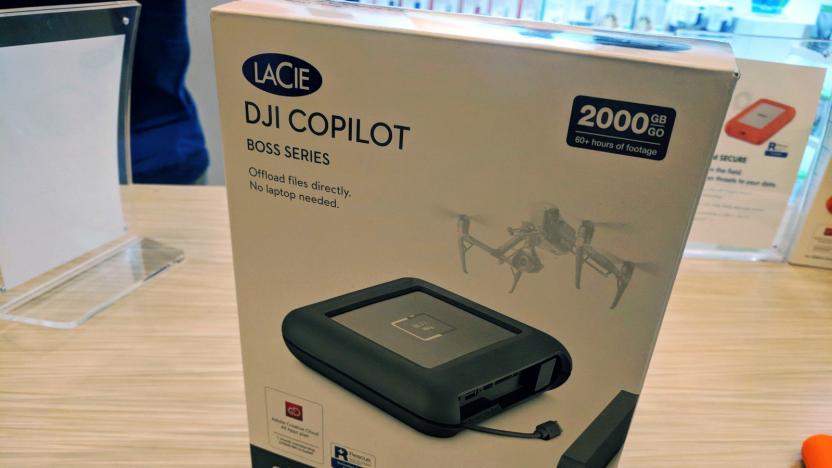
Lacie's DJI Copilot is the perfect portable hard drive for video pros
Look, it's kinda hard to get excited about a hard drive. But Engadget video producer Kaard Bombe immediately started geeking out hard over the Lacie DJI Copilot. It's a portable hard drive with the sort of features any professional videographer or photographer would kill for. Sure, at its heart it's a rugged 2TB drive, but it's also a media-card reader, a USB hub and backup battery.
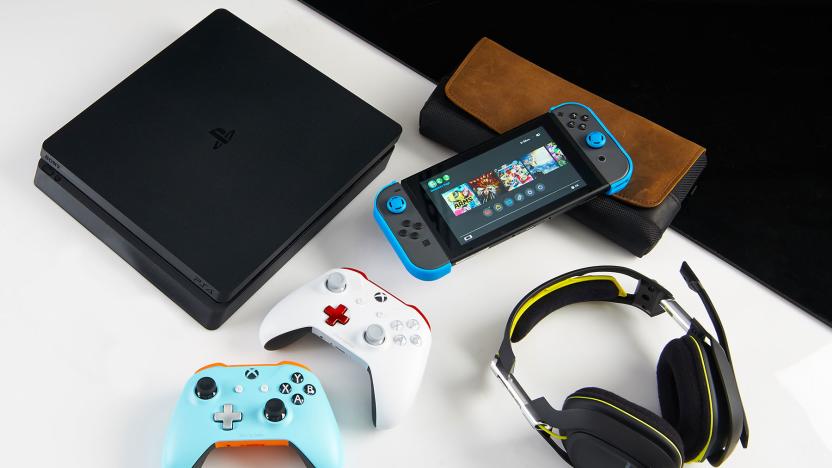
The best game consoles and accessories for your dorm room
Not all of your college fun will involve keggers or games of ultimate frisbee. As the weather gets colder, you might have difficulty tearing yourself out of your dorm, in which case your entertainment options are limited: Host an in-room dance party, Netflix and chill or settle in for a little gaming. In addition to our favorite consoles (no, we couldn't choose just one), we've selected a handful of accessories and must-have titles for our back-to-school guide. Enjoy, and may you do a better job making friends with rival fanboys in real life than you do online.
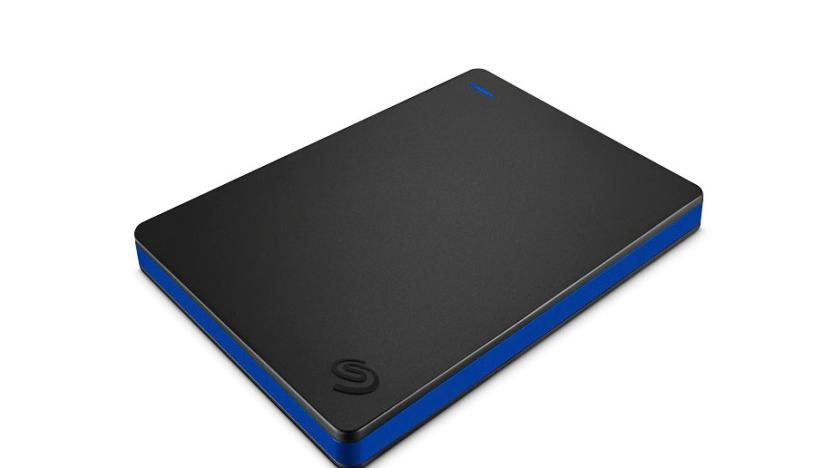
Seagate’s new PS4 hard drive tacks on 2TB of extra storage
Back in March, Sony released a PS4 update that finally let owners use external hard drives of up to 8TB with their consoles -- and any extra space is great when the average installed game takes up 40 to 50GB. Hot on the heels of its new Xbox One external HDD, Seagate has unveiled its first storage device for the PS4, coming in at 2TB.

Octuple your Xbox storage with this new Seagate hard drive
Both PS4 and Xbox One come with at least 500GB of storage, which seems colossal until one realizes each installed game typically takes up 40 to 50 gigabytes. Back in August 2015, hard drive maker Seagate released a 2TB external HDD specifically keyed to both Xbox 360 and Xbox One. Today, they've unveiled a new version that bumps up the space to 8TB and promises to work with every version of Microsoft's current-gen console -- including the upcoming Scorpio.

The best external desktop hard drive
By Justin Krajeski This post was done in partnership with The Wirecutter, a buyer's guide to the best technology. When readers choose to buy The Wirecutter's independently chosen editorial picks, it may earn affiliate commissions that support its work. Read the full article here. After 20 hours of new research and testing, we found the best external desktop hard drive for most people is Seagate's 4 TB Backup Plus Desktop Drive. The Backup Plus has a great balance of speed and price and enough space for your future storage needs.


